
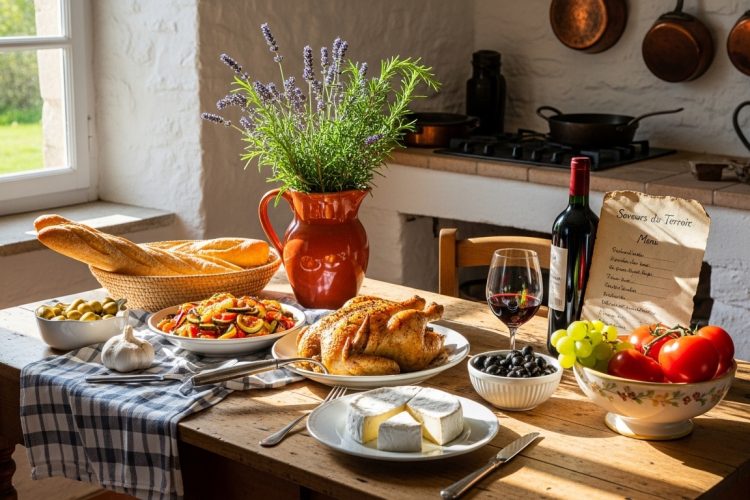
Food trends often move in cycles. Some ingredients rise quickly because they look good online, while others return because people are genuinely craving more depth, tradition, and comfort in what they eat. Lately, there has been growing interest in old-world European dishes that feel rustic, rich, and rooted in real culinary history. That is one reason products like pate de campagne are earning renewed attention among food lovers who want something more substantial than the usual snack-board staples. The current focus on French Country Flavours is a testament to this shift. Exploring the essence of French Country Flavours can elevate any gathering, bringing together friends and family over shared plates.
At the same time, traditional preserved meat dishes such as pork rillette are also finding a place in modern entertaining, grazing tables, and home dining. These foods may come from classic French cuisine, but their appeal feels surprisingly current. They offer texture, character, and a sense of occasion, yet they also fit neatly into the casual, shareable way many people like to eat today.
What makes this especially interesting is that these foods are showing up in conversations that extend beyond formal dining. They are being appreciated not just by chefs or culinary purists, but by people who enjoy comfort food, rich flavours, and dishes with a strong sense of identity. In a food culture that often swings between novelty and nostalgia, French Country Flavours classics manage to satisfy both.
Why Traditional French Specialities Still Feel Relevant Today
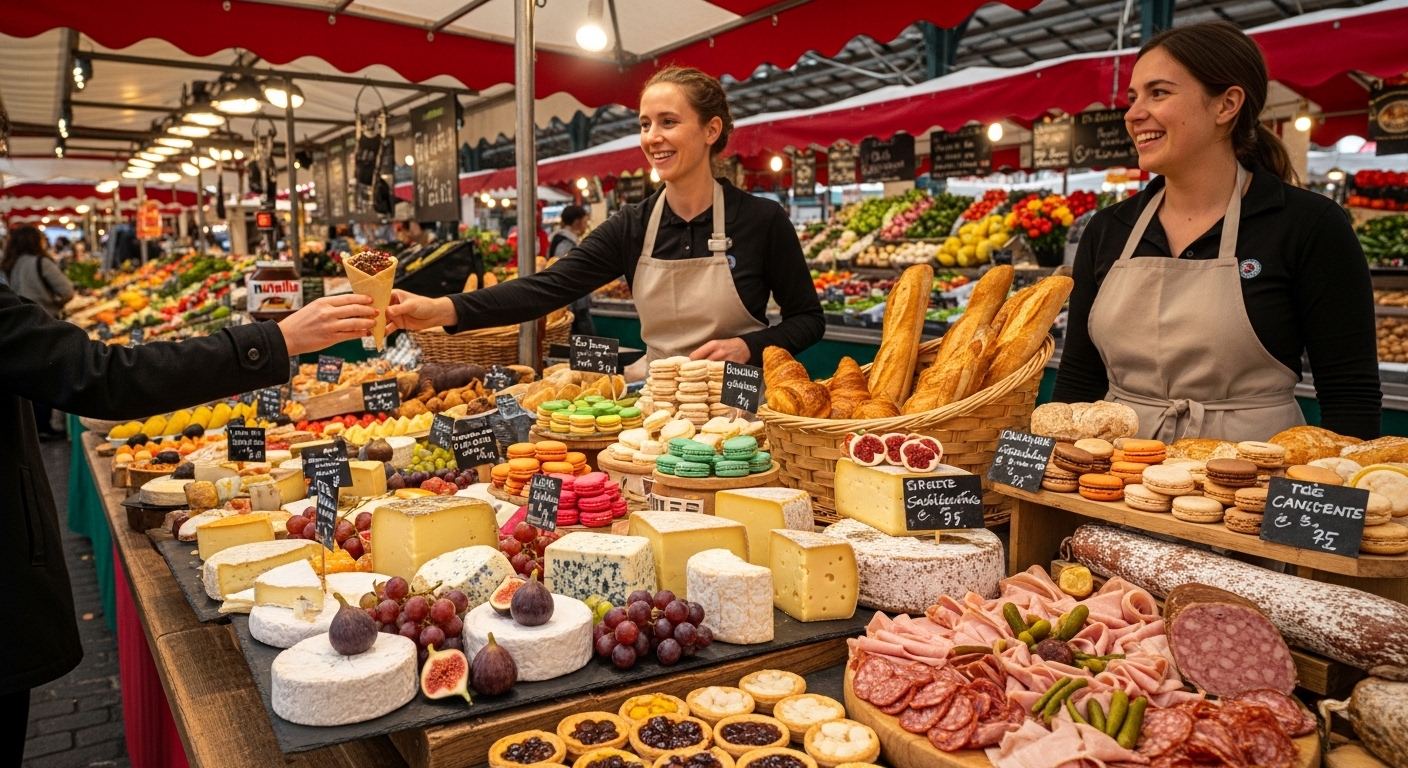
The appeal of traditional French charcuterie and country-style spreads is not difficult to understand. These foods bring together several qualities that modern eaters continue to value: authenticity, craft, richness, and versatility. They feel special without being overly complicated. They also encourage slower, more thoughtful eating, which is something many people are trying to bring back into daily life.
There is also a strong emotional element involved. Rustic French foods often evoke warmth, hospitality, and the pleasure of sharing. A board with crusty bread, pickles, mustard, fruit, and a few deeply flavoured spreads creates a completely different atmosphere from the rushed convenience eating that dominates many modern routines. It turns food into more than fuel. It turns it into an experience.
This return to more grounded, traditional food also reflects growing interest in culinary heritage. People increasingly want to know where dishes come from, how they are made, and what
makes them distinct. Foods with a story tend to resonate more deeply than generic products, especially when they have stood the test of time.
What Makes French Country Food So Appealing?
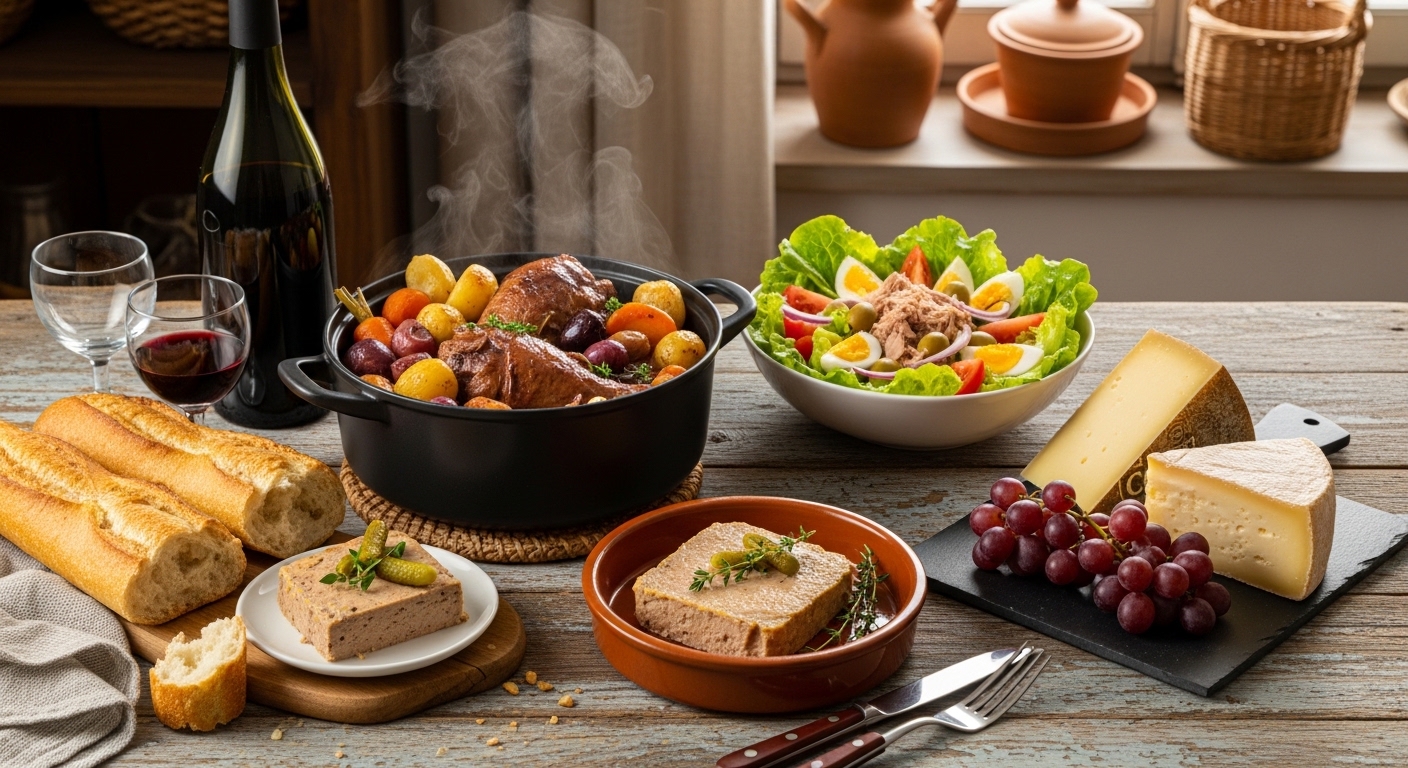
French country-style food is built around ingredients that are rich, practical, and full of flavour. It is not flashy in the way some modern food trends are. Instead, it wins people over through depth and familiarity. These dishes were designed to be satisfying, useful, and enjoyable, often using time-honoured methods that value patience and skill.
This is part of what gives French charcuterie its appeal. It is not trying to be delicate or minimal. It embraces richness. Whether served as part of a relaxed lunch, an appetiser spread, or a dinner starter, it offers a kind of substance that people often miss in overly processed or trend-driven foods.
Texture also plays a major role. Soft, spreadable meats paired with crisp bread, sharp pickles, and bright condiments create contrast that makes the whole eating experience feel complete. The richness is important, but it is the balance around that richness that turns these foods into something memorable.
The Rise of Shared Food Experiences
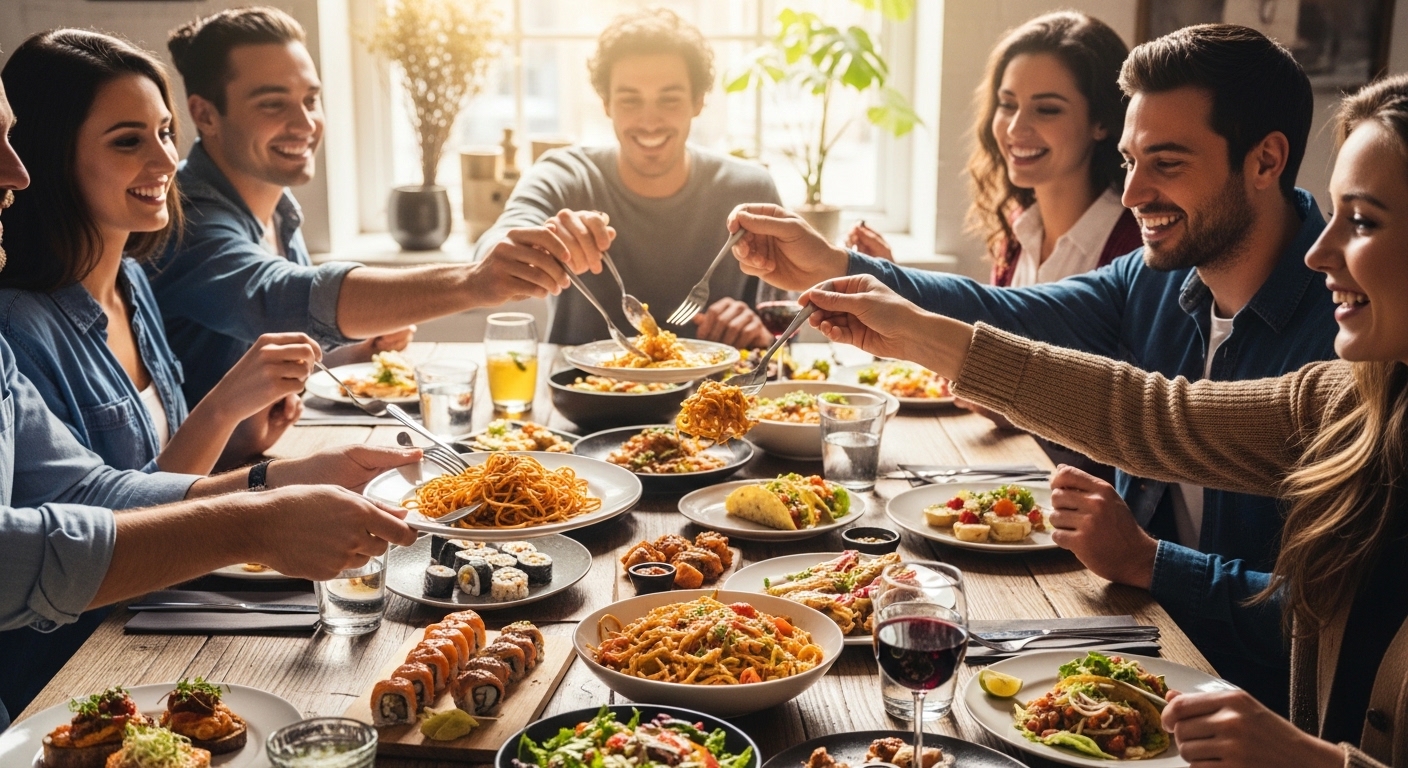
One reason traditional spreads and rustic meat preparations are becoming more popular again is that they fit perfectly into the way people like to gather now. Casual entertaining has grown far more important than formal multi-course dining for many households. People want meals and snacks that encourage sharing, conversation, and flexibility.
French country foods work beautifully in this setting. They can be plated simply, mixed into a grazing board, or served as part of a larger spread with cheeses, preserves, crackers, and bread. They do not require complex presentation to feel special. In fact, their rustic quality is part of their charm.
This matters because food today is often judged not just on flavour, but on how well it fits into real life. The most successful dishes are often the ones that feel elevated without becoming intimidating. Traditional French meat spreads manage that balance well. They feel rooted in culinary tradition, but they are also very easy to enjoy in contemporary settings.
Why Rich, Rustic Foods Continue to Stand Out
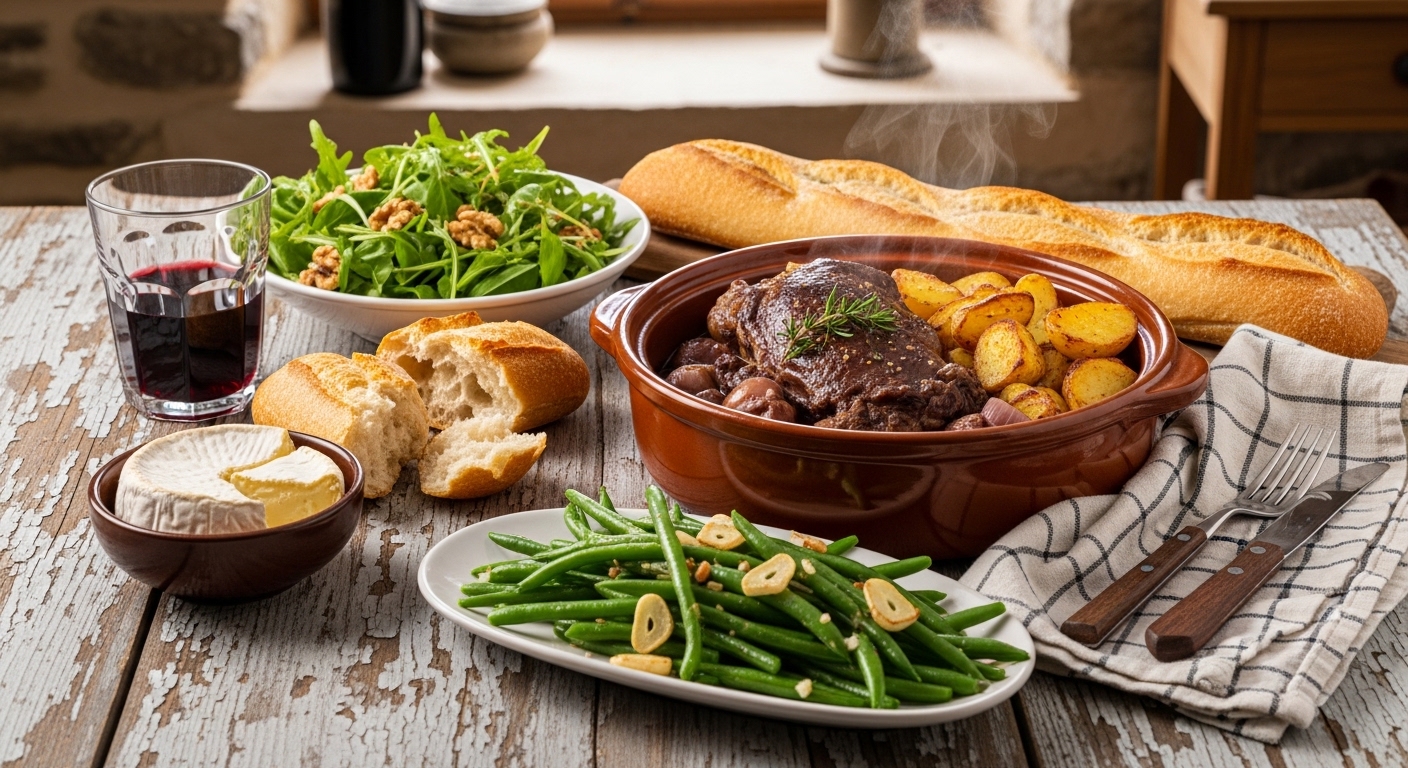
Modern food culture often talks a lot about freshness, wellness, and lightness, but richness still has a very important place. People do not only want food that feels virtuous. They also want food that feels comforting, indulgent, and worth slowing down for. Rustic French foods meet that need in a way that feels satisfying rather than excessive.
They also bring strong flavour to the table without requiring large portions. A little can go a long way. This makes them especially useful in entertaining, where variety matters. Instead of relying on one large centrepiece dish, people can offer smaller but more interesting components that encourage tasting and sharing.
This style of eating also feels more interactive. Guests can build bites, combine flavours, and return to favourites. There is a relaxed elegance to that experience, and it is part of why old-world foods remain appealing even in very modern contexts.
The Importance of Contrast on the Plate
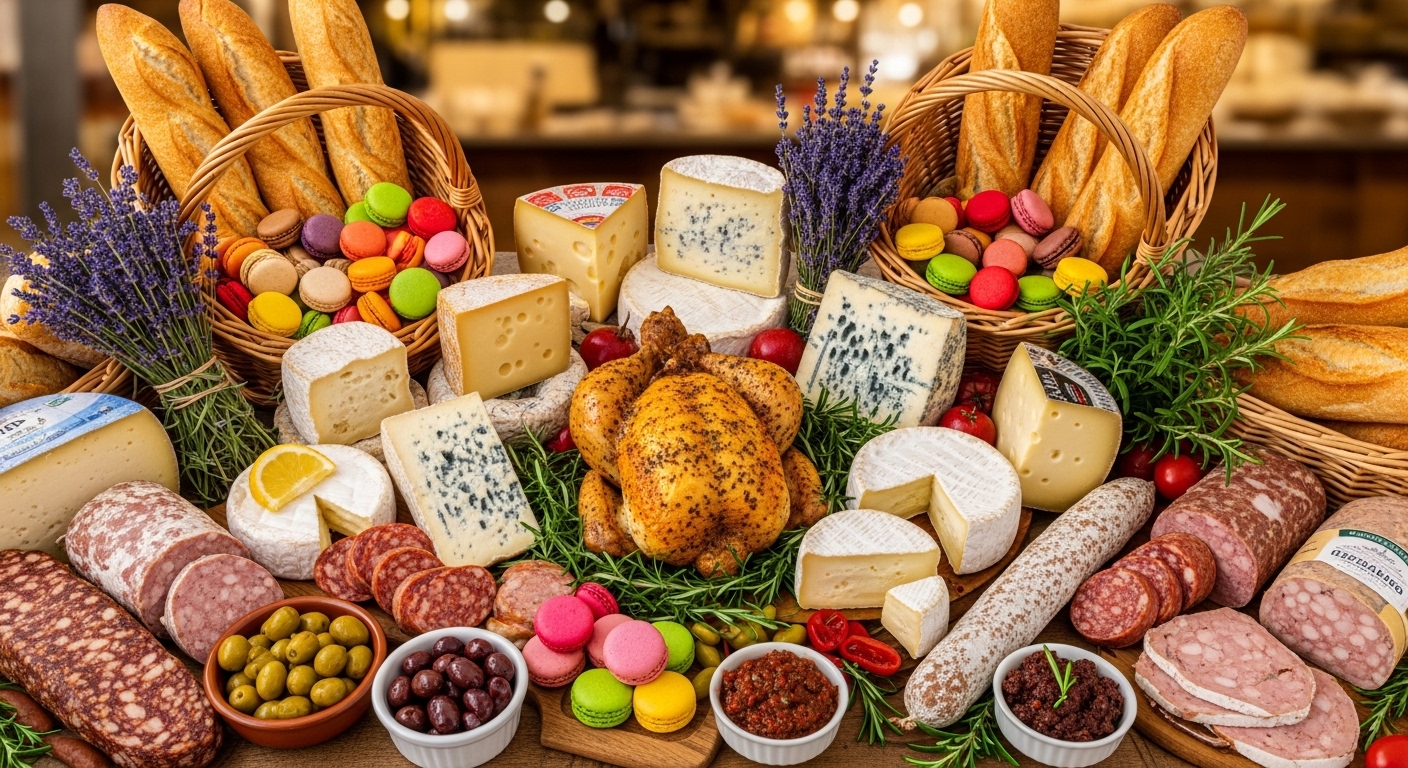
Bread, cornichons, mustard, pickled onions, fruit preserves, and fresh herbs often appear alongside them. These additions are not decorative extras. They create balance.
Rich foods need brightness. Fatty, savoury flavours become more interesting when paired with acidity, crunch, or sweetness. This is a principle that applies across many cuisines, but French country dining uses it especially well. The result is a plate that feels rounded and satisfying rather than one-dimensional.
This contrast also helps make the meal feel more approachable. For people who may be unfamiliar with richer meat preparations, serving them with fresh, sharp, or lightly sweet accompaniments creates an easier introduction. It turns an old-fashioned dish into something immediately enjoyable.
Traditional Foods and Modern Curiosity
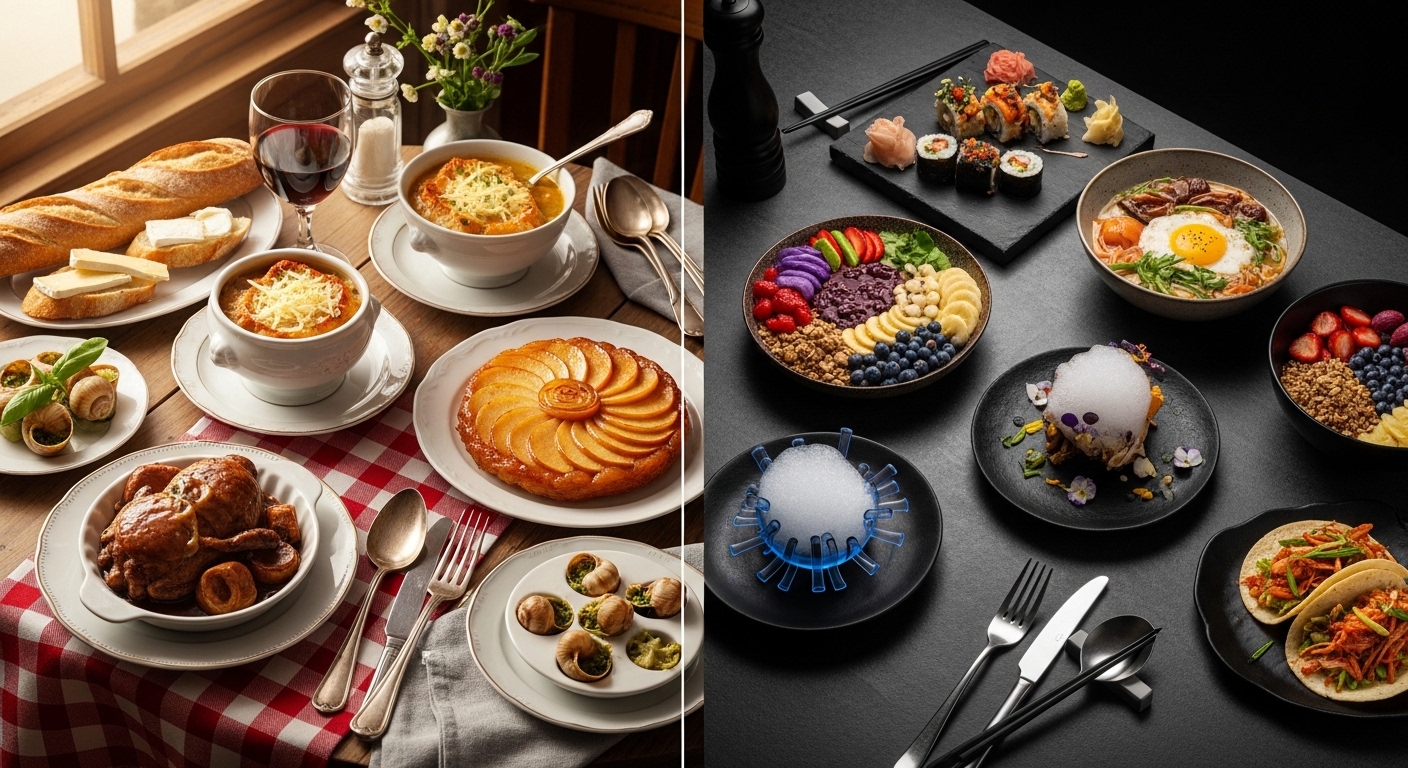
There is also a wider cultural reason why these dishes are finding new appreciation. People are more curious now. They are interested in foods beyond the most commercialised basics. They want to explore regional styles, understand classic recipes, and try items that feel more rooted in tradition.
This curiosity has opened the door for ingredients and dishes that might once have seemed niche. A growing number of home cooks, food writers, and restaurant-goers now appreciate the value of foods that were once seen as overly old-fashioned or specialised. Instead of avoiding them, they are seeking them out precisely because they offer something different from mainstream convenience foods.
That curiosity is good for food culture overall. It expands taste, invites discussion, and helps preserve traditions that might otherwise be overshadowed by faster-moving trends.
How to Enjoy Rustic French Foods More Thoughtfully
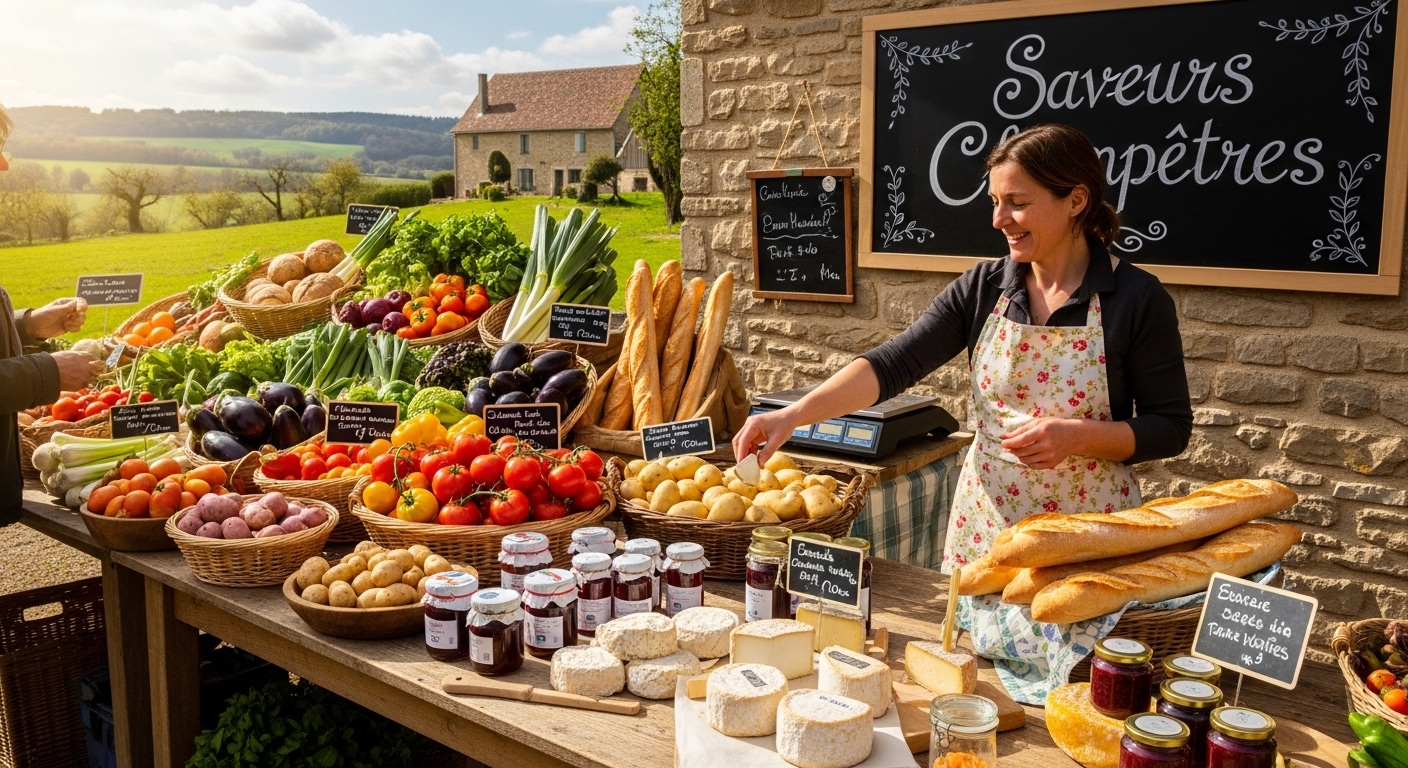
One of the best things about French country specialities is that they do not need much to shine. Good bread, a few condiments, and some carefully chosen sides are often enough. The goal is not to overbuild the plate. It is to let the ingredients speak.
A simple serving board might include sliced baguette, pickles, mustard, fresh radishes, grapes, and a little salad. A more elaborate version could include cheese, nuts, dried fruit, and sparkling drinks for contrast. Both approaches work because the core appeal of the food is already strong.
These foods also pair well with slower occasions. Weekend lunches, evening entertaining, holiday platters, or small gatherings all suit them naturally. They encourage people to pause, taste, and enjoy the meal as an event rather than a transaction.
Why Nostalgia and Craft Matter in Food
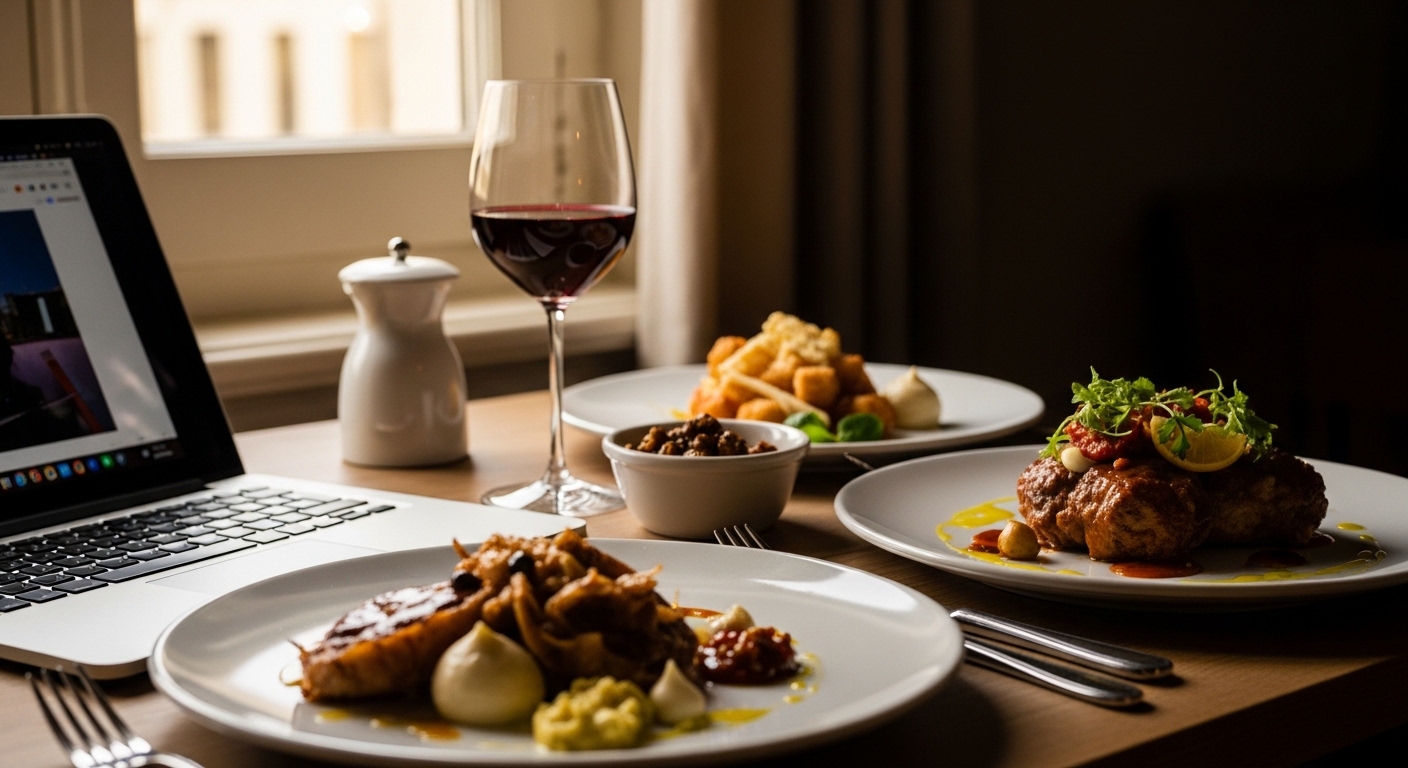
Part of what makes traditional dishes feel so compelling is the sense of craft behind them. Foods that rely on technique, patience, and culinary memory often feel more meaningful than things designed only for speed. Even when people do not know the full history behind a dish, they can usually sense when it carries tradition.
Nostalgia matters too, even when it is borrowed rather than personal. Many people are drawn to foods that evoke countryside kitchens, family tables, and older ways of eating. In a fast-moving world, there is comfort in dishes that feel established and grounded.
That does not mean every meal needs to be historical or heavy. But it does explain why traditional foods continue to hold attention. They offer something modern eating sometimes lacks: a stronger sense of place and purpose.
Final Thoughts
French country food continues to resonate because it offers more than flavour alone. It brings tradition, texture, comfort, and a sense of occasion into the modern table. Rich, rustic specialities work especially well today because they fit the growing desire for food that feels authentic, shareable, and genuinely enjoyable.
In a culture that often swings between extremes, these classic dishes offer a middle ground. They are indulgent without being flashy, traditional without feeling outdated, and versatile enough to work in both casual and more elevated settings. That combination is exactly why they continue to earn new fans.