
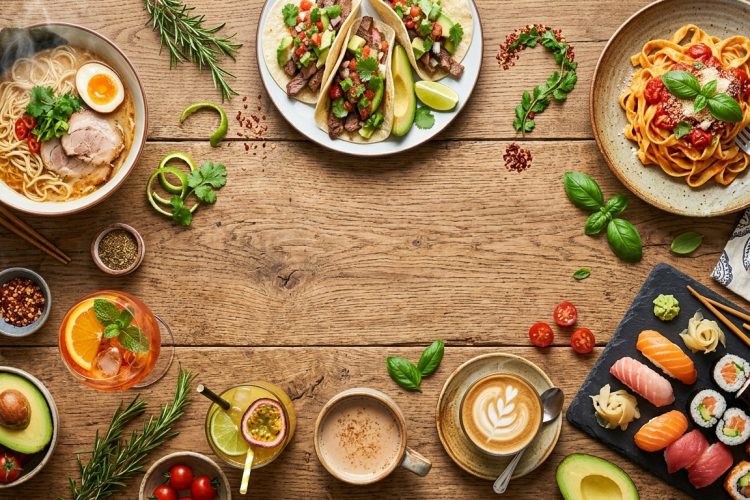
If you live for that moment when an unexpected flavor combination just works — that first bite of something you’ve never tried that makes you close your eyes and nod — you already know the best food adventures don’t happen by accident. They happen because you showed up curious.
Whether you’re sampling a new cuisine, mixing drinks you’ve never paired with dinner, or just trying to figure out why your neighbor’s homemade salsa tastes better than yours, asking the right questions before you eat turns a meal into an experience. Here are 10 questions that separate a foodie who eats from a foodie who truly tastes.
1. What Flavors Are Actually Happening Here?
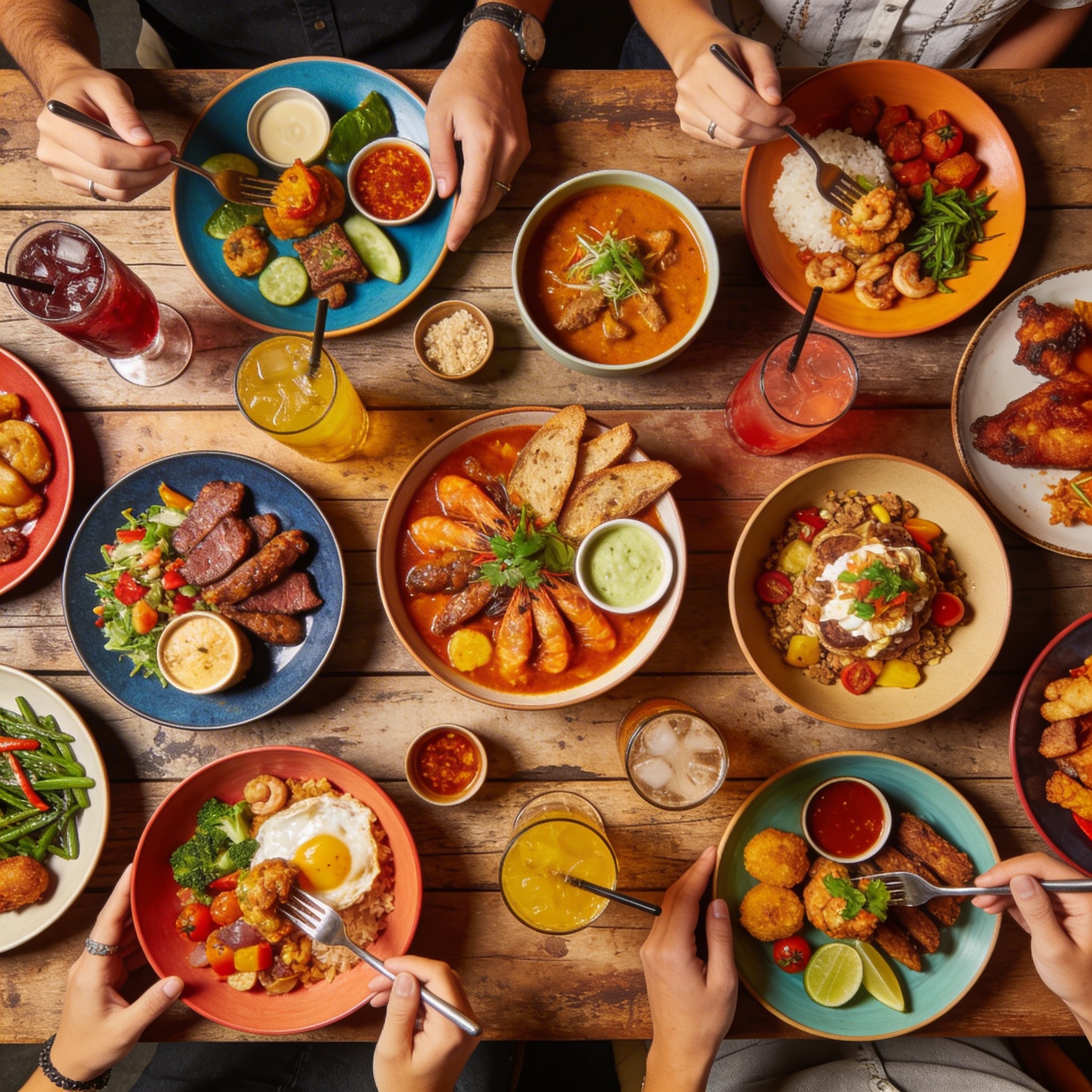
Before you take that first bite, pause. What’s going on in this dish? Is there sweetness balancing out something savory? A little heat cutting through richness? Citrus brightening up something heavy?
The best dishes — and the best drinks — work because their flavors are having a conversation. Once you start paying attention to how ingredients interact instead of just what they are, you’ll never eat the same way again.
If you’re curious about how even familiar beverages can surprise you, exploring questions like does non-alcoholic beer have alcohol can reveal interesting details about flavor profiles you might have overlooked.
2. Does the Presentation Make You Want to Eat It?
We eat with our eyes first — that’s not just a saying, it’s literally how your brain works. A dish that looks intentional, colorful, and thoughtfully plated sets an expectation before the fork hits your mouth.
The same goes for drinks. A cocktail with a perfect citrus wheel and a clear ice cube tells you someone cared. A smoothie bowl with perfectly placed toppings makes you want to photograph it before you eat it.
If the presentation is sloppy, the flavor might still be great — but you’ll enjoy it less. That’s not shallow. That’s science. For some gorgeous plating inspiration, check out our guide to watercolor birthday cake decorating — proof that presentation can turn a simple dessert into art.
3. Are the Ingredients Fresh and High Quality?
This is the one that separates a $5 taco from a $5 taco that changes your life. Same dish, wildly different experience — and it almost always comes down to ingredient quality.
Fresh herbs versus dried. Ripe avocado versus that sad brown one. Freshly squeezed lime versus bottled juice. These details matter enormously, and once you start noticing them, you can’t go back.
The same applies to beverages — freshly muddled mint in a mojito tastes completely different from mint syrup. A craft cocktail with fresh-squeezed citrus will always outperform one made with sour mix. Quality ingredients are the foundation of every great food experiment.
4. How Do the Textures Play Together?
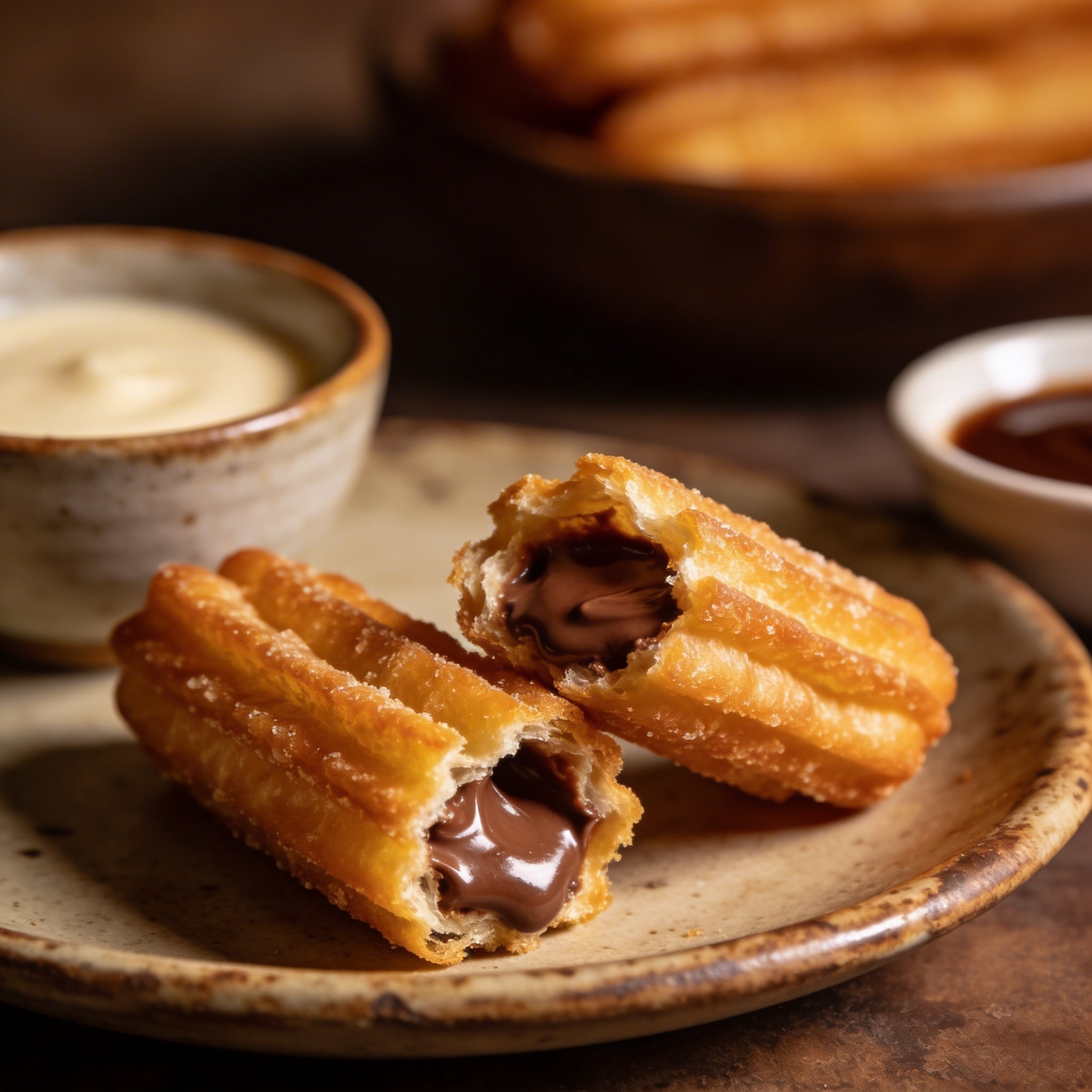
Flavor gets all the attention, but texture is secretly doing half the work. Think about it — a soggy french fry and a crispy french fry taste the same, but the experience is completely different.
The best dishes layer textures on purpose. Crunchy on creamy. Chewy against crisp. Smooth with a little pop.
Next time you’re trying something new, pay attention to what your mouth feels, not just what it tastes. If you love exploring texture combinations, you might enjoy our international churro fillings guide — crunchy outside, soft inside, endless filling possibilities from around the world.
5. Are the Portions Right for Exploring?
Here’s a mistake most adventurous eaters make: ordering one giant entrée instead of three small plates. If you’re in discovery mode, you want variety, not volume.
Smaller portions let you taste more things, compare flavors side by side, and actually remember what you liked. This applies to drinks too — a tasting flight of four small pours teaches you more than one full glass ever will.
The best food cities in the world — think tapas in Barcelona, mezze in Beirut, street food in Bangkok — all figured this out long ago. Small bites, big variety, maximum adventure.
6. Is There Something Creative About How It’s Made?
The technique behind a dish can be just as exciting as the ingredients. Slow-smoked, flash-fried, fermented for three months, torched tableside — the method matters because it shapes flavor, texture, and experience in ways that raw ingredients alone can’t.
The same goes for beverages. A cocktail that’s been fat-washed with brown butter tastes nothing like a standard mixed drink. According to Forbes’ look at 2026 cocktail trends, innovative preparation techniques are driving some of the most exciting flavor developments this year.
When you’re experimenting, ask how something was made — not just what’s in it. The answer often explains why it tastes the way it does.
7. Does the Drink Complement or Contrast the Food?
This is the pairing question, and it’s where food experimentation gets really fun. A great pairing does one of two things: it either complements (matching similar flavors to amplify them) or contrasts (using opposing flavors to create balance).
Rich, fatty steak with a tannic red wine? Complement. Spicy Thai curry with a sweet Riesling? Contrast — the sweetness cools the heat.
Neither approach is better. The magic is in being intentional about it. Next time you’re eating something new, try both — a drink that matches and one that opposes — and see which one makes the food sing louder.
8. Are There Seasonal or Local Ingredients?
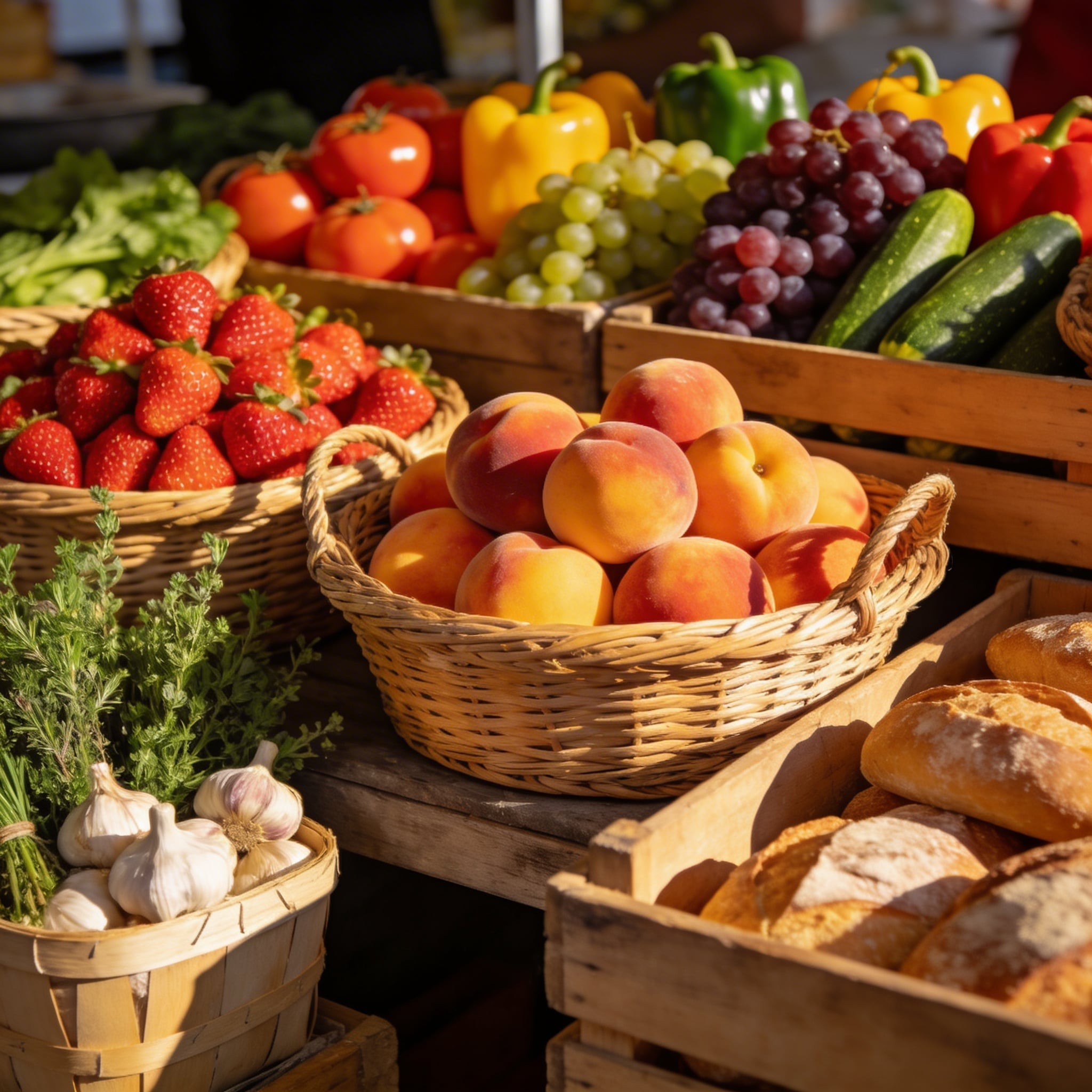
Some of the best food experiments happen when you lean into what’s fresh right now in your area. Summer tomatoes taste nothing like January tomatoes. Spring ramps appear for like three weeks and then they’re gone. Fall squash has a sweetness that no other season can replicate.
When a dish or drink uses seasonal, locally sourced ingredients, you’re not just eating food — you’re tasting a specific moment in time and place. That’s the kind of thing that turns a meal into a memory.
Farmers markets are the best playground for this. Go without a plan, buy what looks incredible, and figure out what to make with it when you get home. That’s foodie experimenting at its purest.
9. How Adventurous Are You Really Willing to Be?
Be honest with yourself. There’s nothing wrong with having boundaries — not everyone needs to eat insects or fermented shark to be a “real” foodie. The goal isn’t to eat the weirdest thing on the menu. The goal is to push your comfort zone, wherever that line currently sits.
Maybe today that means trying a cuisine you’ve never had. Maybe it’s ordering something you can’t pronounce. Maybe it’s finally making that recipe you bookmarked six months ago.
The best foodies aren’t the ones who eat everything — they’re the ones who stay curious and keep trying.
10. What Did You Actually Learn?
This is the question most people skip, and it’s the most important one. After you’ve tried something new — whether you loved it or hated it — take a second to think about why.
What worked? What didn’t? Would you change the pairing? Try it with a different drink? Add more acid, less salt, cook it longer?
Every experiment teaches you something if you pay attention. Keep mental notes (or actual notes — food journals are underrated). Over time, these observations compound into genuine food knowledge that no cookbook can teach you. That’s how you go from someone who likes food to someone who truly understands it.
Final Thoughts
The difference between eating and experiencing food comes down to curiosity. Anyone can consume a meal. But foodies who ask questions — about flavor, texture, technique, pairing, and quality — turn every dish and drink into a discovery.
You don’t need a culinary degree or a Michelin-starred kitchen. You just need to show up curious, pay attention, and keep experimenting. The best bite of your life might be the next one.
What’s the most surprising food combination you’ve ever discovered? We’d love to hear about your food experiments in the comments.