
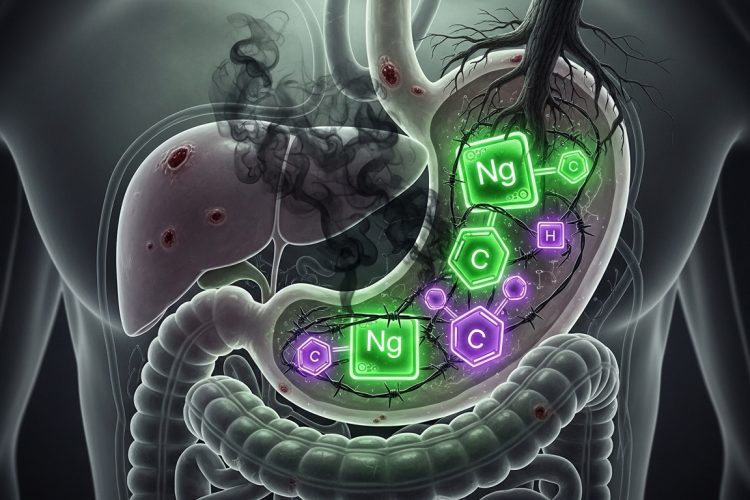
Modern food looks convenient, colorful, and affordable, yet hidden costs often appear later in our lives. Many processed products contain additives, preservatives, and artificial ingredients that quietly affect our health over time.
Globally, the food market is expected to generate a revenue of around $9.67 trillion in 2026. At its current state, this market is set to grow annually by more than 6.2 percent.
The processed food sector holds a big position in this food market. Globally, this particular food market, as of 2025, is valued at $ 2.15 trillion. By 2030, the processed food market will be worth over $2.6 trillion.
In the processed food market, in particular, the presence of toxic food ingredients has long been a concern. These ingredients rarely cause immediate problems, which makes them easy to overlook during daily routines. However, long-term exposure can influence digestion, energy levels, mood, and overall well-being in subtle ways.
Let us explore a few important impacts toxic food ingredients can have on our lives.
Being aware of toxic food ingredients is essential for making healthier choices and promoting overall wellness.
Gradual Damage to Metabolic Health

Recently, it was found that over 100 substances of unknown safety have been secretly added to US foods, drinks, and supplements without FDA notification. Of those, 49 chemicals were traced to roughly 4,000 products in the USDA’s FoodData Central database.
Many ultra-processed foods contain chemical additives that disrupt natural digestion and nutrient absorption processes. Over time, this interference may affect how the body handles sugar, fats, and essential vitamins.
Artificial sweeteners, flavor enhancers, and preservatives often trick the brain into expecting nutrients that never arrive. That confusion can influence appetite regulation and energy balance throughout the day. Some people notice constant hunger even after eating full meals. Others feel tired despite consuming plenty of calories.
When this pattern continues for years, metabolic problems can develop quietly in the background. Weight gain, insulin resistance, and fatigue may appear without obvious warning signs. These conditions rarely stem from one meal alone. Instead, they grow from consistent exposure to questionable ingredients hiding inside everyday packaged foods.
How Harmful Ingredients Can Affect Children

Children often face greater risks from toxic food ingredients because their bodies are still developing rapidly. A smaller body size means chemical exposure represents a larger proportion of total intake. Their organs and immune systems also remain sensitive to environmental influences during early years.
Highly processed snacks frequently target young audiences through bright packaging and sweet flavors. Unfortunately, these products sometimes contain artificial additives that parents rarely notice during busy shopping trips. Regular exposure may influence growth, digestion, and immune strength during important developmental stages.
Concerns have grown around infant nutrition products and potential contamination risks. Legal attention increased after reports connected certain formulas to severe digestive illness in premature infants. As TorHoerman Law notes, the ongoing NEC baby formula lawsuits highlight how families seek accountability when products appear unsafe.
These NEC baby formula lawsuit claims include cases involving Enfamil and other manufacturers. Investigations surrounding the NEC baby formula cases argue that some products contributed to dangerous complications. These baby formula lawsuits showcase just how dangerous such toxic food items and ingredients can be, especially for children.
Effects on Digestive System Balance
Your digestive system relies on a balance between helpful bacteria and harmful microorganisms. Toxic food ingredients can disturb that balance more easily than many people realize. Artificial preservatives sometimes eliminate beneficial microbes that support digestion and immunity.
When healthy gut bacteria decline, the digestive tract struggles to process fiber and nutrients properly. That disruption may lead to bloating, stomach discomfort, and irregular digestion patterns. These symptoms might seem minor at first, yet they signal a deeper imbalance inside the body.
Certain food additives also irritate the lining of the digestive tract. Repeated exposure can weaken protective barriers that normally shield the bloodstream from harmful substances. Once those defenses weaken, inflammation becomes more likely. Over time, digestive health problems can spread into broader issues affecting energy, immunity, and mood throughout daily life.
Hidden Influence on Mental Wellbeing

Food ingredients do not affect only the stomach and metabolism. They also influence brain chemistry and emotional stability more than people often expect.
In the US, as of 2024, more than 23 percent of adults experienced mental illness. That means over 61 million people in the country struggle with mental health problems. And toxic ingredients can further affect people’s mental health.
Artificial colors, flavor enhancers, and chemical preservatives may interfere with neurotransmitter activity inside the brain. These substances sometimes disrupt signals that regulate mood, focus, and motivation.
Some individuals report feeling restless, anxious, or mentally foggy after consuming heavily processed foods. While responses vary, repeated exposure can intensify those feelings across long periods.
Nutrition experts increasingly recognize the strong connection between gut health and mental well-being. When toxic ingredients disturb digestive balance, the brain often experiences secondary consequences.
The result may appear as irritability, concentration problems, or fluctuating energy levels during daily activities. These mental changes rarely feel dramatic. Yet over time, they shape productivity, emotional health, and overall quality of life.
Long-Term Strain on Organ Function

Another serious impact involves long-term stress placed on vital organs inside the body. The liver and kidneys work constantly to filter chemicals and remove waste from the bloodstream. When diets contain large numbers of synthetic additives, those organs must process extra compounds every single day.
This increased workload can gradually reduce their efficiency. The body may still function normally for many years, which makes the problem difficult to notice. However, continuous exposure may contribute to inflammation and cellular stress within those organs.
Some preservatives and artificial ingredients also break down into byproducts during digestion. These compounds can circulate through the bloodstream before elimination occurs.
Even small amounts may create long-term strain when exposure happens daily. Protecting organ health often begins with reducing unnecessary chemical ingredients in common foods.
FAQs
What is the most unhealthy ingredient in food?
There isn’t a single “most unhealthy” ingredient, but excessive added sugar is widely linked to health problems. High intake can contribute to obesity, heart disease, and Type 2 Diabetes. Health experts recommend limiting added sugars and choosing whole, minimally processed foods.
What are common toxic chemicals in food?
Some harmful substances sometimes found in foods include Bisphenol A, Sodium Nitrite, and Mercury. In regulated amounts, they may be considered safe, but excessive exposure can pose health risks. Various other chemicals are often added to processed foods as preservatives, but they, too, can be risky.
Why do people add toxic chemicals to food?
Certain chemicals are added to improve shelf life, appearance, flavor, or safety by preventing bacterial growth. Food regulators such as the US Food and Drug Administration set limits to ensure additives are used at safe levels, though concerns remain about long-term exposure.
Food should nourish the body, support growth, and strengthen long-term health. Unfortunately, many modern products contain ingredients that quietly undermine those goals.

Toxic additives may influence metabolism, digestion, mental well-being, and organ function without obvious warning signs. Over time, these small exposures can accumulate into meaningful health consequences.
Paying attention to ingredient lists can feel tedious during busy routines. Yet that effort helps protect both immediate well-being and long-term health. Choosing simpler foods with fewer chemical additives often reduces unnecessary risks. Small daily decisions about what you eat can shape healthier lives for years ahead.