
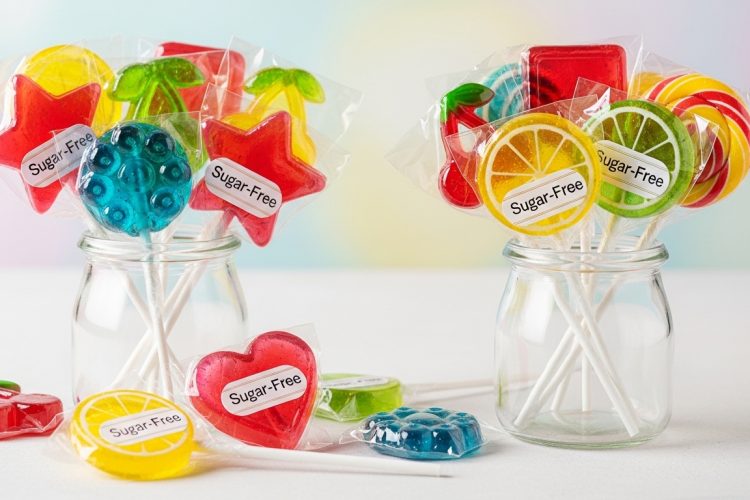
The average American consumes roughly 17 teaspoons of added sugar daily—more than double what health authorities recommend. For those looking to cut back without sacrificing small pleasures, sugar-free lollipops have emerged as a surprisingly practical solution. These reformulated candies deliver the nostalgic satisfaction of a classic treat while sidestepping the metabolic burden of traditional sweets.
Unlike their sugar-laden predecessors, modern sugar-free lollipops use alternative sweeteners that don’t trigger the same insulin response or contribute to dental decay. According to the CDC, reducing added sugars remains one of the most effective dietary interventions for preventing chronic disease. For anyone managing blood sugar levels, watching their weight, or simply trying to make more mindful food choices, these candies represent a meaningful compromise.
Why Choose Sugar-Free?
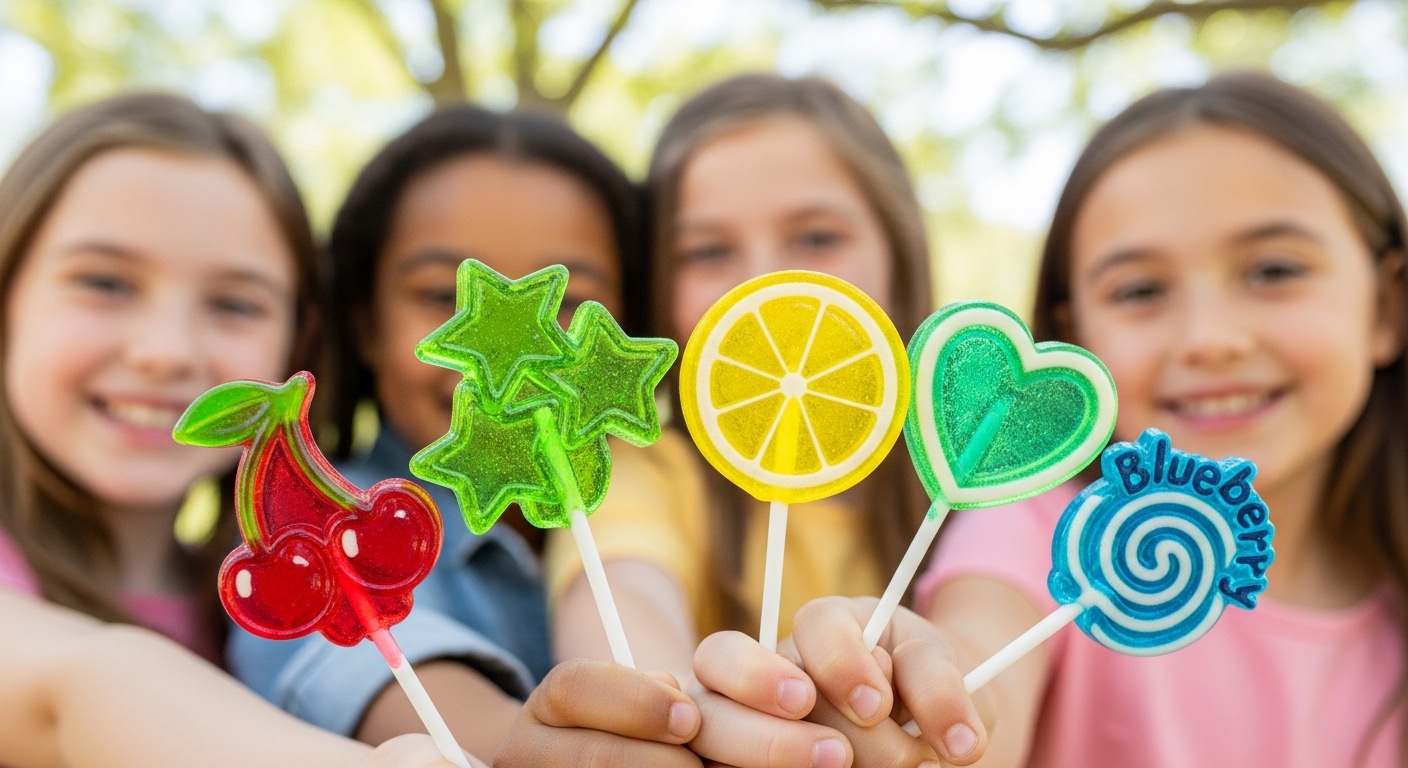
The shift away from sugar isn’t just about calories. Research increasingly points to the broader health implications of frequent sugar consumption, from inflammation to metabolic dysfunction. Sugar-free lollipops address several concerns simultaneously:
- Metabolic Impact: Without added sugars, these lollipops won’t spike blood glucose or contribute to insulin resistance—critical considerations for diabetics and pre-diabetics.
- Caloric Efficiency: Most sugar-free varieties contain 40-60% fewer calories than traditional lollipops, making them easier to fit into calorie-conscious eating plans.
- Dietary Flexibility: Compatible with ketogenic, low-carb, and diabetic diets, sugar-free options accommodate a range of nutritional approaches.
- Dental Safety: Alternative sweeteners like xylitol don’t feed cavity-causing bacteria and may even support oral health.
- Universal Appeal: With flavor profiles ranging from classic fruit to sophisticated botanical blends, these candies work for both children and adults.
The practical benefits extend beyond nutrition. For parents managing children’s sugar intake, for office workers looking for an afternoon pick-me-up without the crash, or for anyone trying to break the habit of reaching for high-sugar snacks, sugar-free lollipops offer a functional alternative.
The Xylitol Advantage
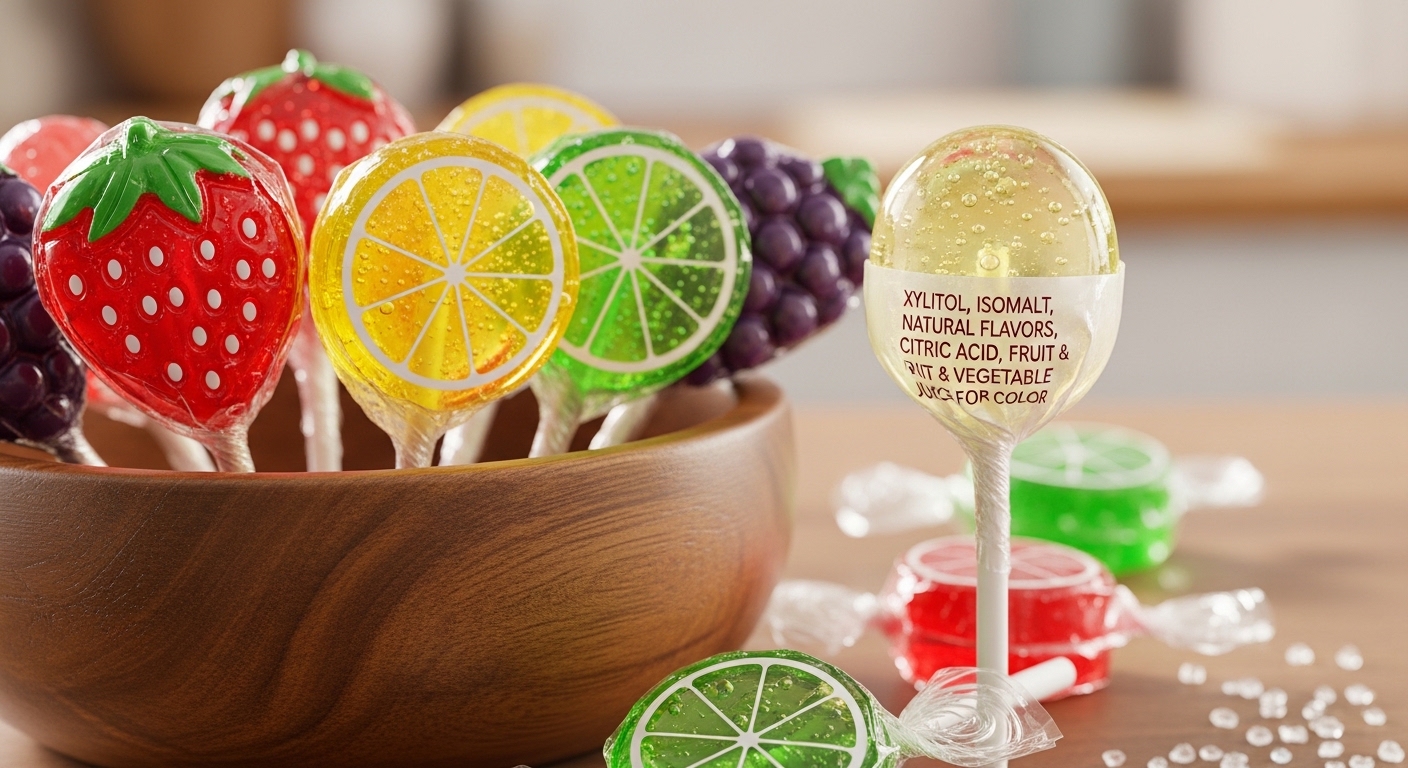
Most premium sugar-free lollipops rely on xylitol, a naturally occurring sugar alcohol derived from birch bark or corn fiber. Unlike artificial sweeteners, xylitol provides genuine sweetness with a fraction of the metabolic impact.
The compound’s benefits extend well beyond simple sugar replacement:
- Glycemic Control: With a glycemic index of just 7 (compared to table sugar’s 60-70), xylitol causes minimal blood sugar fluctuation.
- Oral Health: Xylitol actively inhibits Streptococcus mutans, the primary bacteria responsible for tooth decay.
- Antimicrobial Properties: Beyond dental health, xylitol demonstrates broader antimicrobial effects.
- Digestive Tolerance: While excessive consumption can cause mild digestive upset in some individuals, most people tolerate xylitol well in moderate amounts.
For health-conscious consumers, xylitol-based lollipops represent one of the few confections that might actually contribute positively to wellness rather than merely minimizing harm.
Flavor Without Compromise
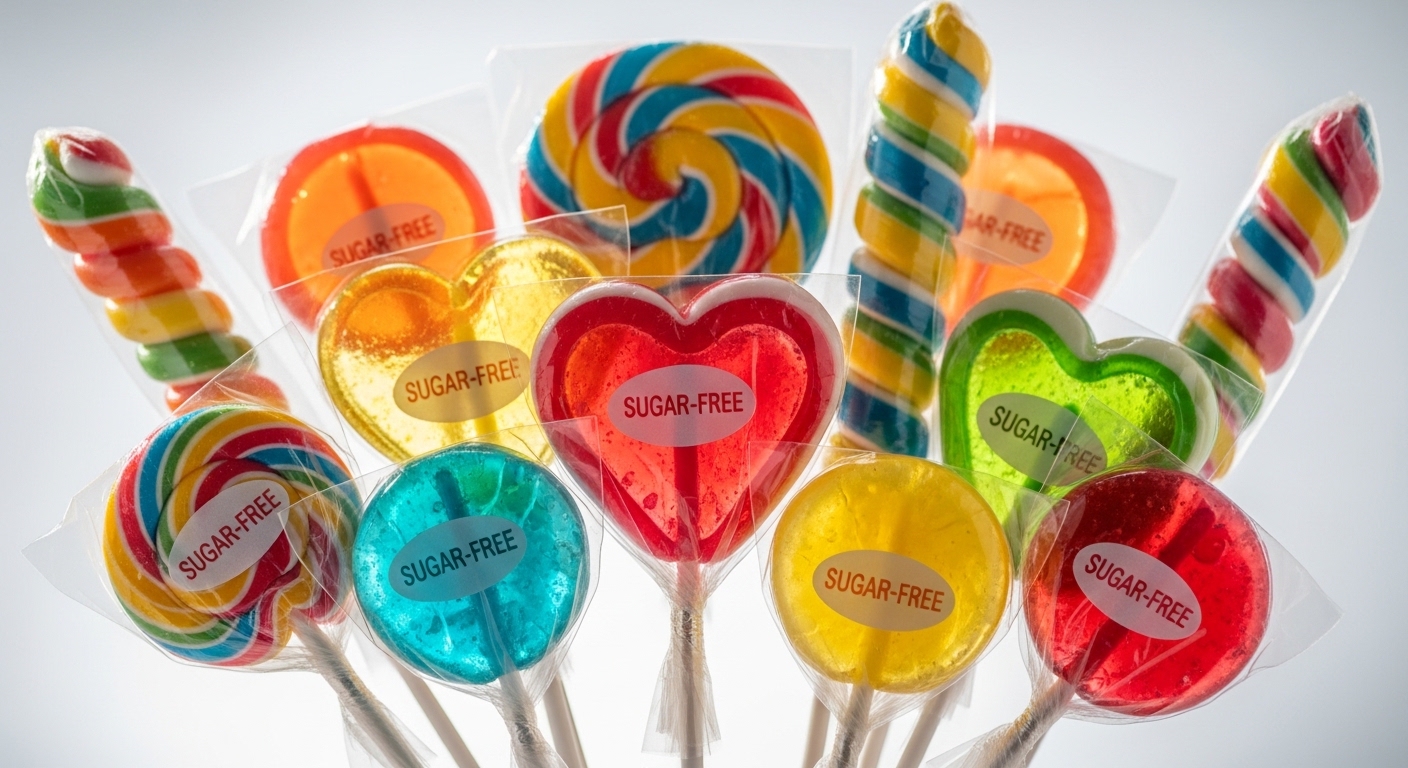
Early sugar-free candies earned a reputation for medicinal aftertastes and limited variety. Modern formulations have largely solved these problems. Today’s sugar-free lollipops span an impressive flavor spectrum—from traditional cherry and grape to more adventurous options like mango-chili and lavender-honey.
The versatility makes them suitable for various contexts:
- Focused Work: A slow-dissolving lollipop can provide gentle stimulation during long reading or writing sessions without the distraction of chewing.
- Travel: Portable and shelf-stable, they’re ideal for flights, road trips, or hiking when you want something sweet without bulk or mess.
- Mindful Eating: The extended consumption time encourages slower, more deliberate enjoyment—a useful practice for those working on portion control.
- Social Settings: Offering sugar-free options at gatherings accommodates guests with dietary restrictions without calling attention to their limitations.
Several specialty manufacturers — including Dr. John’s Healthy Sweets, Zollipops, and SmartSweets — now produce sugar-free lollipops with sophisticated flavor profiles that rival artisanal confections, proving that dietary restrictions needn’t mean culinary compromise.
Dental Considerations
The relationship between candy and cavities is well-established, but sugar-free lollipops break the traditional pattern. Conventional sweets feed oral bacteria that produce enamel-eroding acids. Xylitol-based alternatives interrupt this process.
The dental benefits are measurable:
- Reduced Bacterial Growth: Xylitol creates an inhospitable environment for Streptococcus mutans, effectively starving the bacteria responsible for most cavities.
- pH Stabilization: Unlike sugar, xylitol doesn’t contribute to the acidic oral environment that weakens enamel.
- Remineralization Support: Some research suggests xylitol may facilitate the repair of early-stage enamel damage, though this effect requires consistent exposure.
- Saliva Stimulation: The act of sucking on a lollipop increases saliva production, which naturally cleanses the mouth and neutralizes acids.
Dentists increasingly recommend xylitol products as part of comprehensive oral health strategies, particularly for patients prone to cavities or those undergoing orthodontic treatment.
Making Informed Choices

Not all sugar-free lollipops are created equal. Quality varies significantly based on ingredients, manufacturing processes, and sweetener selection. When evaluating options, consider these factors:
- Sweetener Source: Xylitol and erythritol are generally preferred over artificial sweeteners like aspartame or sucralose, which some consumers prefer to avoid.
- Ingredient Transparency: Reputable manufacturers clearly list all components, including colorings and flavorings. Avoid products with vague “natural flavors” listings.
- Allergen Information: Check for common allergens, particularly if you’re sensitive to corn-derived ingredients (many xylitol products use corn as a base).
- Flavor Variety: Brands offering diverse options tend to invest more in product development and quality control.
- Manufacturing Standards: Look for products made in facilities that follow good manufacturing practices (GMP) and conduct regular quality testing.
Reading reviews from other consumers can provide insight into taste, texture, and how well products hold up during shipping and storage.
Practical Integration
Incorporating sugar-free lollipops into daily life requires minimal adjustment. They work well as:
- Transition Tools: For those reducing sugar intake, they provide psychological satisfaction during the adjustment period.
- Portion Control Aids: The fixed serving size and extended consumption time make them useful for managing sweet cravings.
- Social Normalizers: They allow participation in candy-sharing moments without dietary compromise.
- Reward Mechanisms: Parents can use them to acknowledge children’s achievements without the sugar rush and subsequent crash.
The key is treating them as what they are: a better alternative to traditional candy, not a health food. Moderation remains important, particularly given that some sugar alcohols can cause digestive discomfort in large quantities.
The Bigger Picture
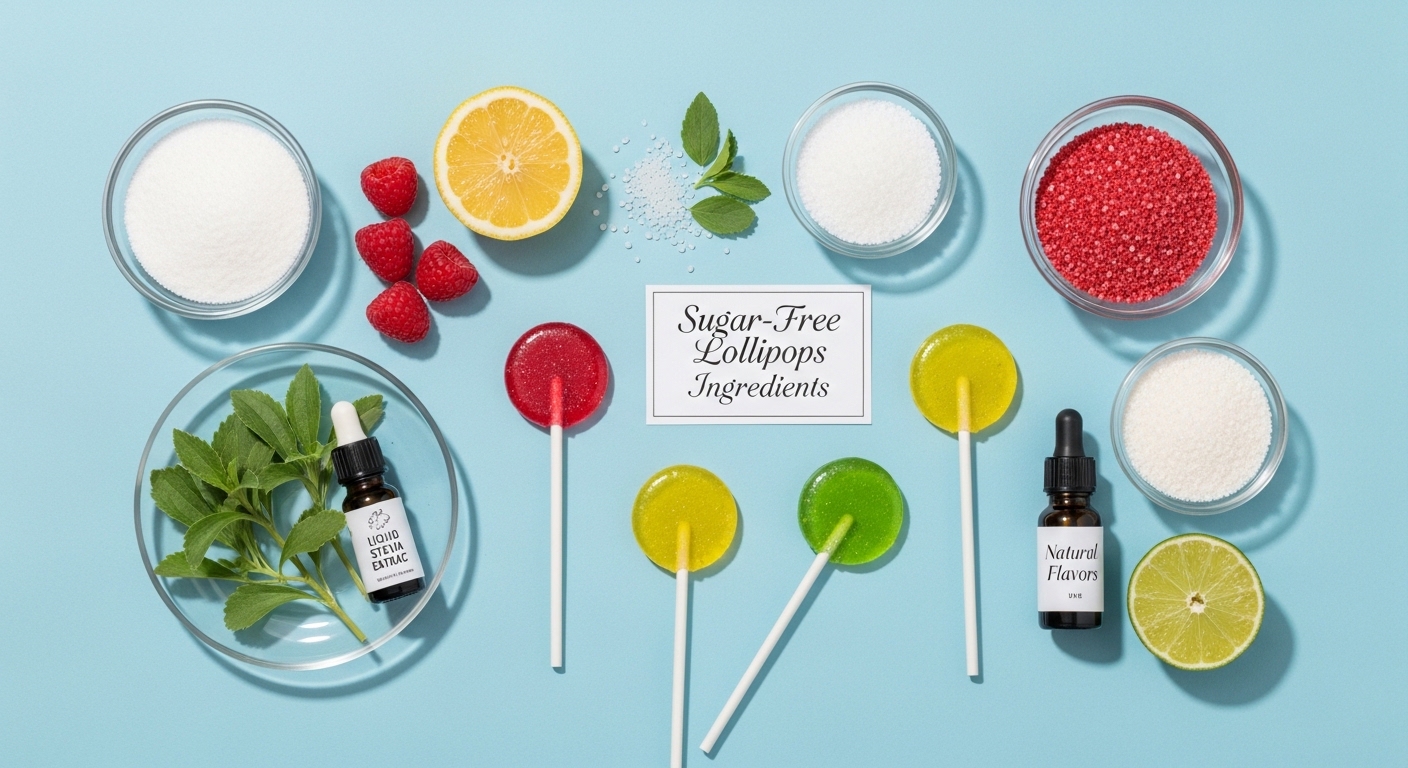
Sugar-free lollipops represent a small but meaningful example of how food technology can align pleasure with health. They demonstrate that dietary improvements don’t require absolute deprivation—sometimes, smart substitution is enough.
For individuals managing chronic conditions, parents navigating childhood nutrition, or anyone simply trying to make better choices without sacrificing all indulgence, these reformulated treats offer a practical middle path. They won’t transform your health on their own, but as part of a broader strategy to reduce added sugars, they serve a legitimate purpose.
The market continues to evolve, with manufacturers experimenting with new sweeteners, flavors, and functional ingredients. As consumer demand for healthier alternatives grows, the quality and variety of sugar-free options will likely continue improving.
Whether you’re looking to satisfy a sweet tooth between meals, support better dental health, or simply enjoy a nostalgic treat without the metabolic consequences, sugar-free lollipops have earned their place in the modern pantry.