
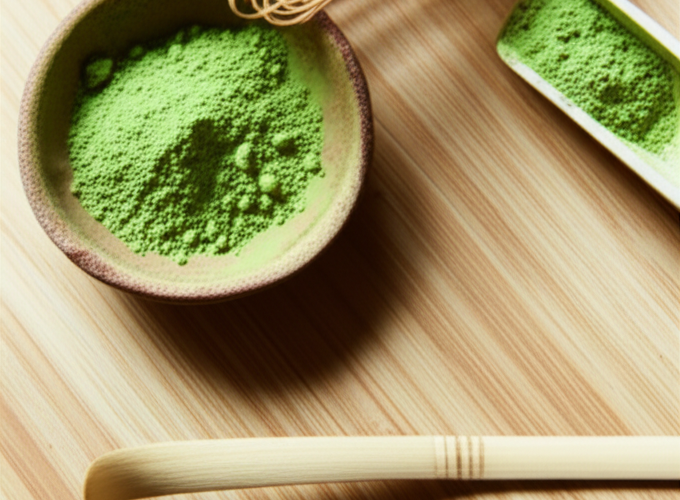
Matcha is gluten free in its pure form — it is simply ground green tea leaves, which contain no wheat, barley, or rye. However, flavored matcha blends, matcha latte mixes, and matcha-based products sold in cafes can contain added gluten-containing ingredients or be processed in facilities that handle wheat, making label-checking essential for anyone with celiac disease or gluten sensitivity.
Is Matcha Gluten Free? The Short Answer
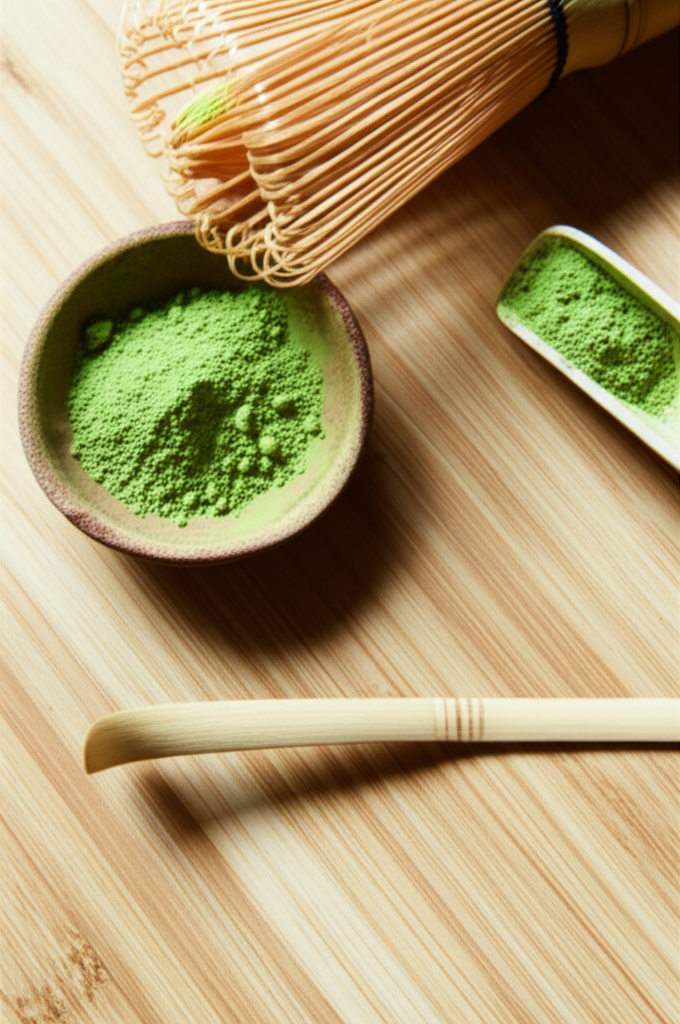
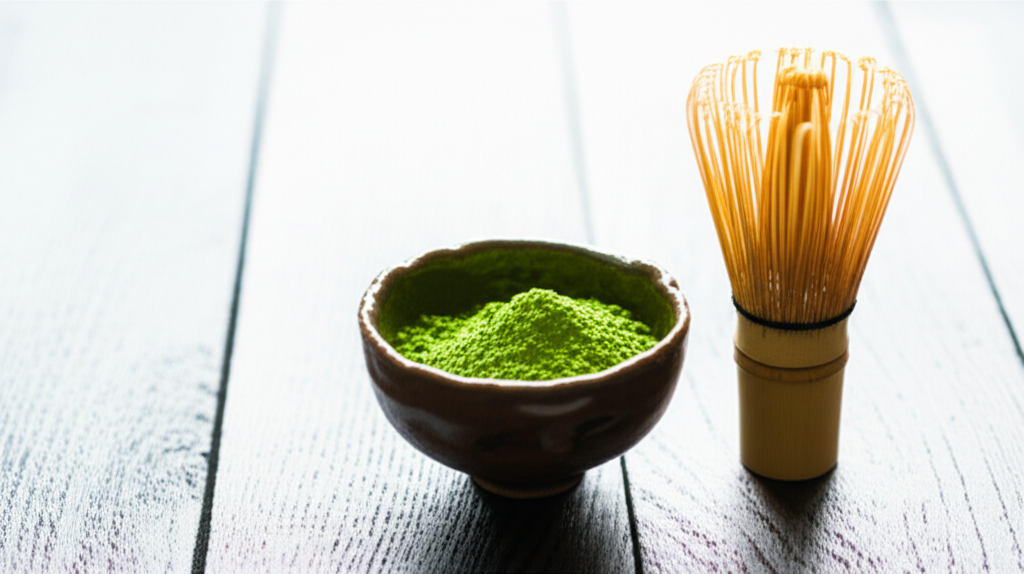
Yes — pure matcha is gluten free. Matcha is made from one ingredient: finely ground Japanese green tea leaves (Camellia sinensis). Tea leaves are naturally gluten free. There is no wheat, barley, rye, or any gluten-containing grain in the plant itself. If you’re buying a single-ingredient ceremonial or culinary matcha powder, you’re in the clear.
The complication comes with matcha products rather than matcha powder. Starbucks matcha latte mix, store-brand flavored matcha blends, and instant matcha packets often add sugars, sweeteners, milk powders, or thickeners that may contain gluten. And even pure matcha can be processed on shared equipment in facilities that also handle barley or wheat — a cross-contamination risk that matters a lot if you have celiac disease.
What Is Matcha? (And Why It Matters for Gluten)
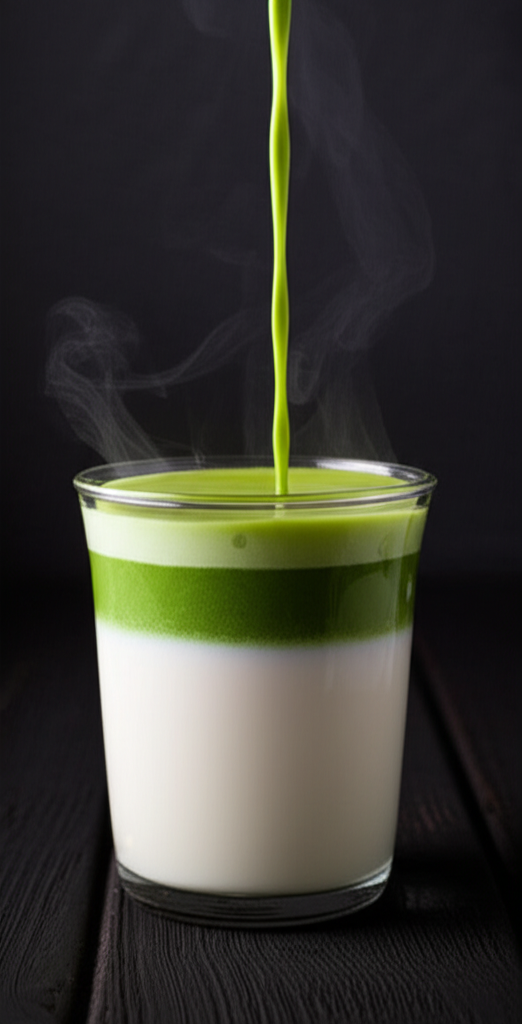
Matcha is a type of green tea made from shade-grown tea leaves called tencha. Unlike regular green tea, where leaves are steeped and discarded, matcha leaves are stone-ground into a fine powder and consumed whole. This is why matcha has a more concentrated flavor, a vivid green color, and a higher concentration of antioxidants (particularly EGCG) than steeped green tea.
The shade-growing process increases chlorophyll and L-theanine content — which is why matcha gives a calm, focused energy boost rather than the jittery spike associated with coffee. High-grade ceremonial matcha is whisked into hot water; culinary-grade matcha is typically used in baking and cooking.
From a gluten standpoint, the botany is simple: tea is a plant, and plants don’t contain gluten. The question is entirely about processing, packaging, and additives — which is why reading labels matters more than the ingredient itself.
Matcha Ingredients: What’s Actually in the Bag
| Product Type | Key Ingredients | Gluten Free? |
|---|---|---|
| Pure ceremonial matcha powder | Green tea leaves only | ✅ Yes — single ingredient |
| Pure culinary matcha powder | Green tea leaves only | ✅ Yes — single ingredient |
| Instant matcha latte mix | Matcha, sugar, milk powder, flavorings | ⚠️ Check label — often GF but varies |
| Flavored matcha blend (e.g., honey ginger matcha) | Matcha + flavorings + sweeteners | ⚠️ Check label — may contain barley |
| Matcha Kit Kat / candy products | Matcha + chocolate + additives | ❌ Usually NOT GF — barley malt common |
| Starbucks matcha latte (in-store) | Matcha powder + sugar (see notes below) | ⚠️ Cross-contamination risk |
The biggest hidden gluten risk in matcha products is barley malt, which is sometimes used as a sweetener in flavored matcha blends and Japanese matcha confections. Barley is a gluten-containing grain, so any product sweetened with barley malt is not gluten free. Always check the ingredients list for barley, malt, or malt extract.
If you’re looking for a reliable certified gluten-free ceremonial matcha, this ceremonial-grade organic matcha (Amazon) is a popular choice that’s tested and certified gluten free.
Cross-Contamination Risk: When Matcha Isn’t Gluten Free
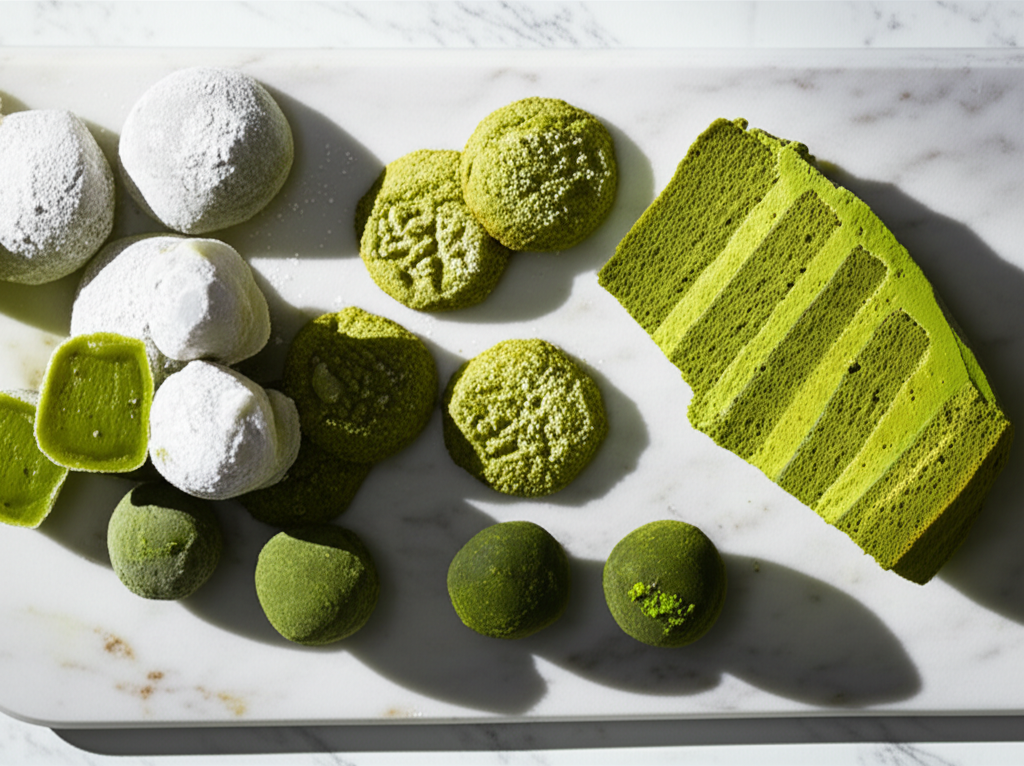
Even if the matcha powder itself is made from pure tea leaves with no added ingredients, cross-contamination during processing is a real concern for people with celiac disease. Most matcha is processed and packaged in facilities that handle multiple products — and many Japanese food production facilities process both matcha and wheat-containing products.
Cross-contamination typically occurs in three places: the grinding mill (if the same stone grinder is used for barley or wheat tea products), the packaging facility (shared equipment with allergen-containing products), and blending facilities for pre-mixed matcha products.
For people with non-celiac gluten sensitivity, trace amounts from cross-contamination are often not a concern. For celiacs, they can trigger a reaction. The FDA threshold for a “gluten free” label claim is fewer than 20 parts per million (ppm) of gluten — so certified gluten-free products must test below this threshold at production.
If you’re buying matcha for celiac-safe use, look specifically for certified gluten-free labeling from a third-party certifier such as GFCO (Gluten-Free Certification Organization) or NSF. Just because a product is pure matcha powder doesn’t automatically mean it has been tested for cross-contamination. This is the same due diligence required for products like checking whether Ghirardelli chocolate is gluten free or verifying Nerds Gummy Clusters.
Certified Gluten-Free Matcha Brands to Look For
Several matcha brands carry third-party gluten-free certification or clearly state “manufactured in a gluten-free facility” on their packaging:
- Ippodo Tea Co. — Japanese heritage brand, pure ceremonial matcha, no cross-contamination concerns reported. No formal GF certification but single-ingredient and well-regarded.
- DoMatcha — Canadian brand with certified organic matcha; states gluten-free on packaging.
- Jade Leaf Matcha — popular US brand; their organic matcha is labeled gluten free and is Whole Foods Market-stocked.
- KENKO Matcha — certified organic, no fillers, frequently cited in celiac communities as a safe choice.
- Encha Matcha — certified USDA organic, single-origin from Uji, Japan; states gluten free on packaging.
Brands to approach with caution: generic store-brand matcha mixes, Japanese matcha candies (often contain barley malt), and any “matcha flavored” product that doesn’t list plain matcha as the primary ingredient. Just as with Toblerone’s gluten status, the brand matters — the same ingredient can be processed very differently depending on the manufacturer.
Is Matcha Gluten Free at Starbucks and Coffee Shops?
This is where it gets complicated. Starbucks uses a proprietary matcha powder that contains only two ingredients: sugar and ground Japanese green tea. Neither of those ingredients contains gluten. So Starbucks matcha powder itself is technically gluten free by ingredient.
However, Starbucks does not claim their matcha drinks are gluten free due to cross-contamination risk in their stores. Blenders, steam wands, and shared equipment are used for products containing wheat (e.g., Java Chips, which contain wheat-based ingredients). If you have celiac disease, you should know that Starbucks’ internal guidance is that they cannot guarantee any beverage is gluten free due to shared equipment.
For people with gluten sensitivity rather than celiac disease, a Starbucks matcha latte is generally considered fine — the matcha itself doesn’t contain gluten. For celiacs, the cross-contamination risk is real, and many choose to make matcha lattes at home using certified GF matcha powder instead.
Independent coffee shops vary widely. Ask whether their matcha mix contains any additives (some use a matcha blend that includes barley), and ask about their cleaning procedures between drinks if you are celiac.
Verdict: Can Celiacs and Gluten-Sensitive People Drink Matcha?
Pure matcha powder is naturally gluten free. For gluten sensitivity: yes, enjoy it freely. For celiac disease: choose certified gluten-free matcha brands and be cautious in cafe settings where cross-contamination is possible. Avoid flavored matcha blends and Japanese matcha confections, which may contain barley malt.
The short answer: pure matcha is gluten free. The longer answer is that the matcha product you buy matters. Ceremonial-grade single-ingredient matcha from a certified GF brand? Completely safe for celiacs. A “matcha honey latte blend” from an unknown brand? Read every word on the label before you open it.
The same logic applies to baking: if you’re adding matcha to a gluten-free recipe — like these salted caramel churros adapted with a GF flour blend — start with a certified GF matcha powder and you have no gluten concerns from the matcha itself.
Frequently Asked Questions
Is matcha gluten free for celiac disease?
Pure matcha powder made from ground green tea leaves is naturally gluten free. For celiac disease specifically, you should choose matcha that is labeled “certified gluten free” to ensure it has been tested for cross-contamination at or below 20 ppm. Starbucks matcha drinks are made with gluten-free ingredients but are not certified GF due to shared equipment in their stores.
Does matcha contain wheat or barley?
Pure matcha does not contain wheat or barley. Flavored matcha blends, instant matcha latte mixes, and matcha-flavored Japanese confections sometimes contain barley malt as a sweetener — which does contain gluten. Always check the full ingredient list, not just the front-of-pack marketing.
Is all matcha powder gluten free?
Single-ingredient matcha powders — made only from ground green tea leaves — are gluten free by ingredient composition. However, not all matcha powders are manufactured in gluten-free facilities. For people with celiac disease who need to avoid trace cross-contamination, only certified gluten-free matcha provides the third-party testing verification that the product is safe below 20 ppm.