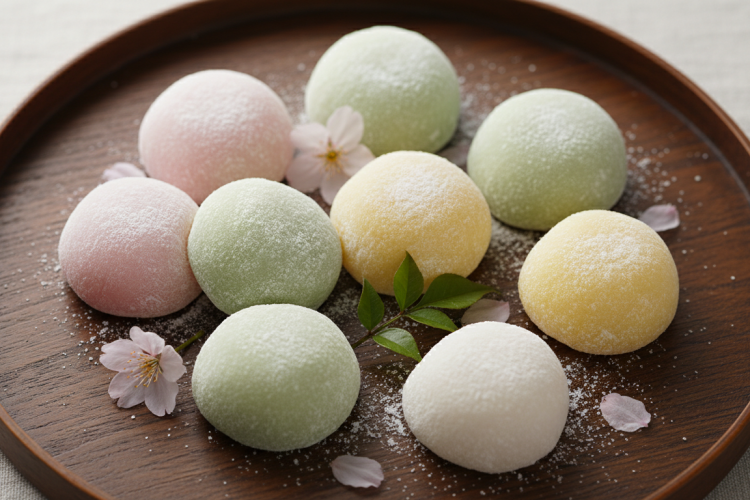
Mochi is a traditional Japanese rice cake made from glutinous rice (sweet rice or mochigome) that has been pounded or steamed into a soft, sticky, chewy dough. It has a smooth, stretchy texture unlike any other food and a subtly sweet, neutral flavor that makes it incredibly versatile — eaten plain, stuffed with sweet fillings, or used as a wrapper for ice cream.
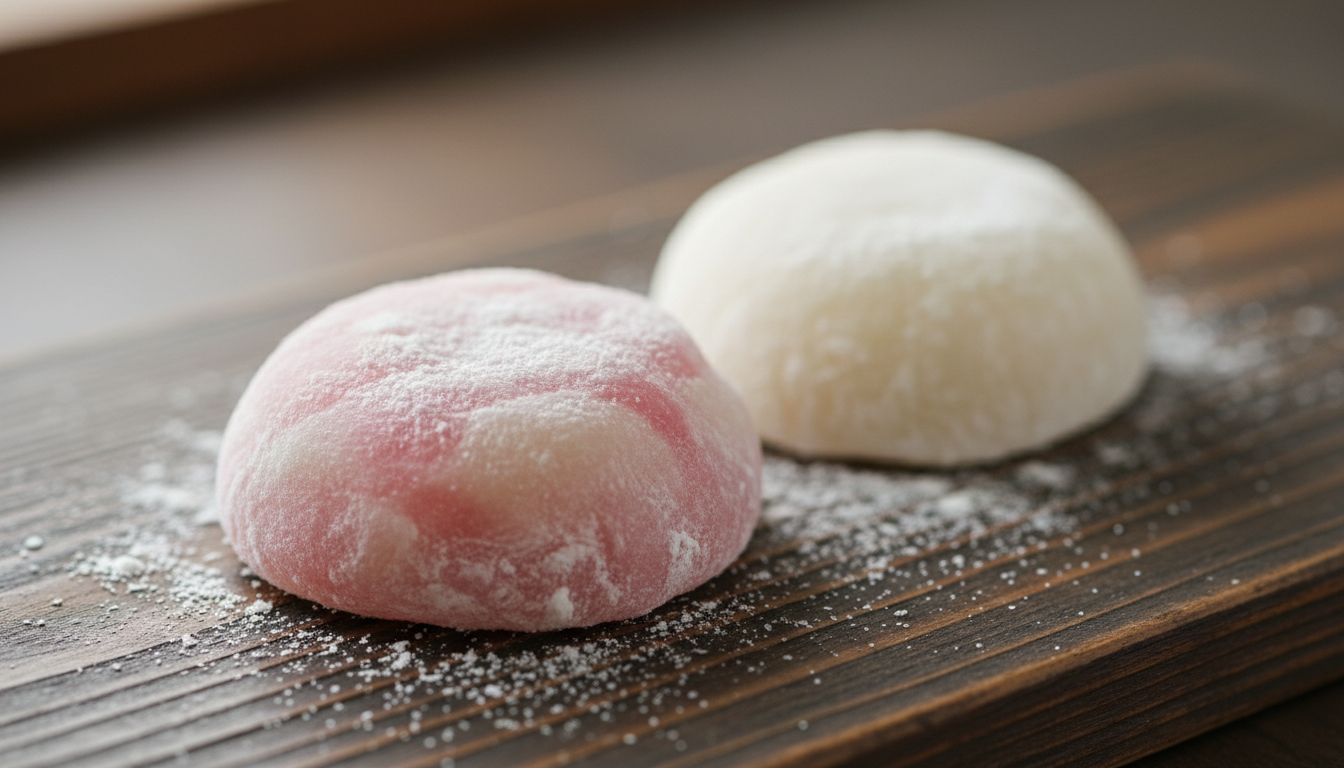
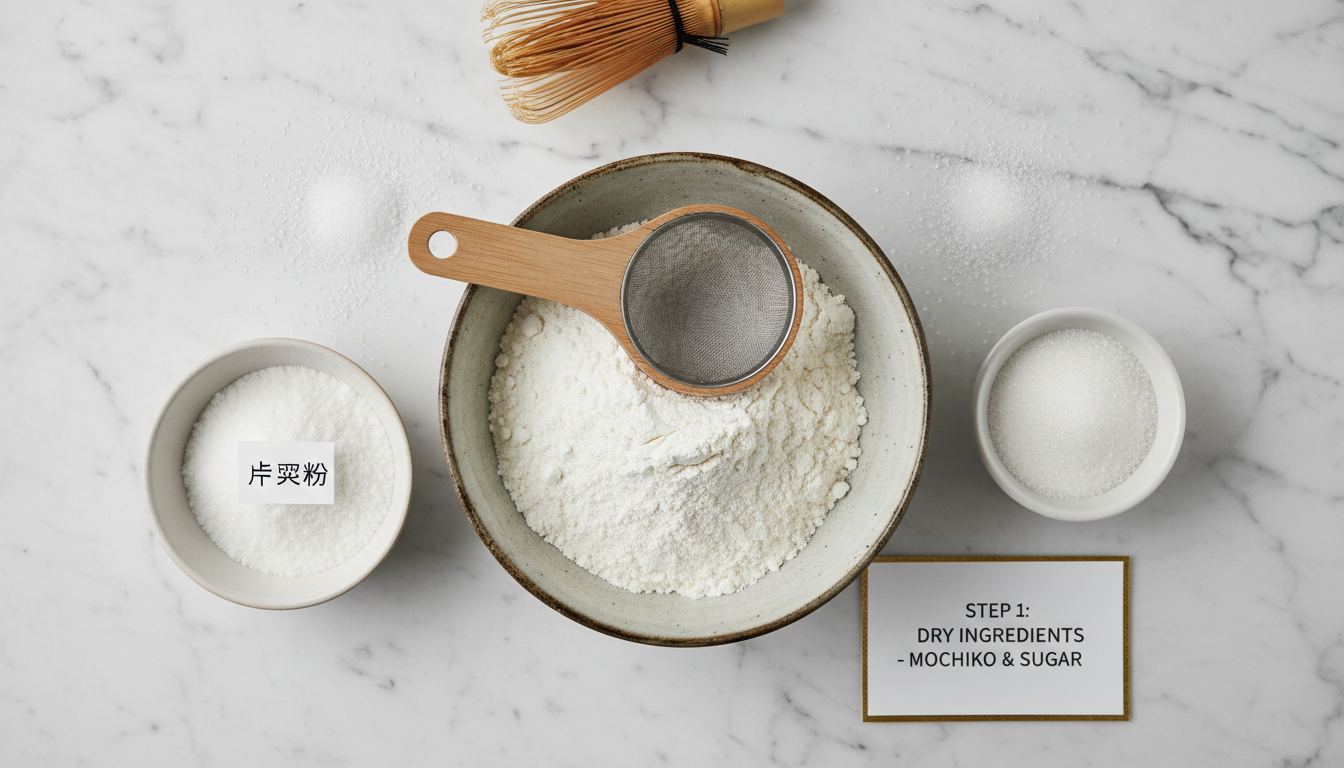
Table of Contents
- What Is Mochi?
- History of Mochi
- Types of Mochi
- How Mochi Is Made
- What Does Mochi Taste Like?
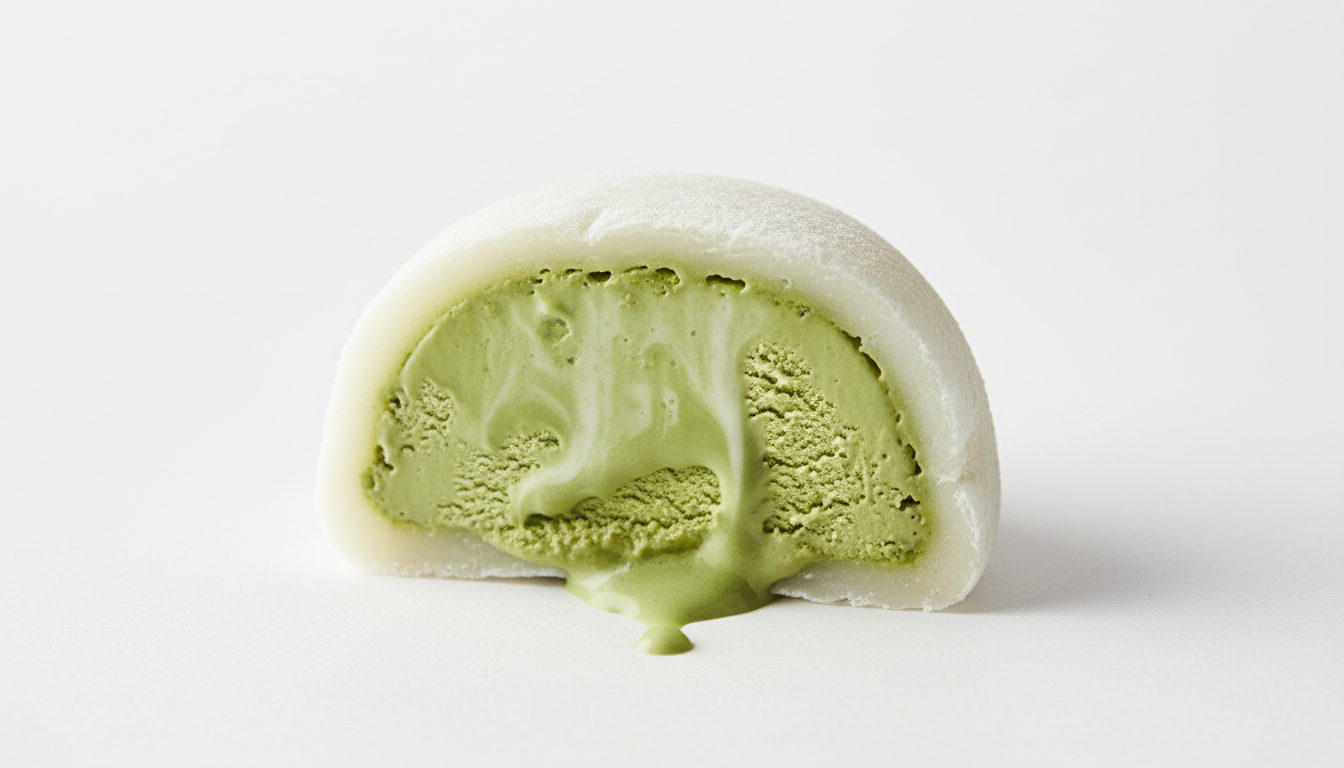
- Mochi Ice Cream
- Where to Buy Mochi
- Frequently Asked Questions
What Is Mochi?
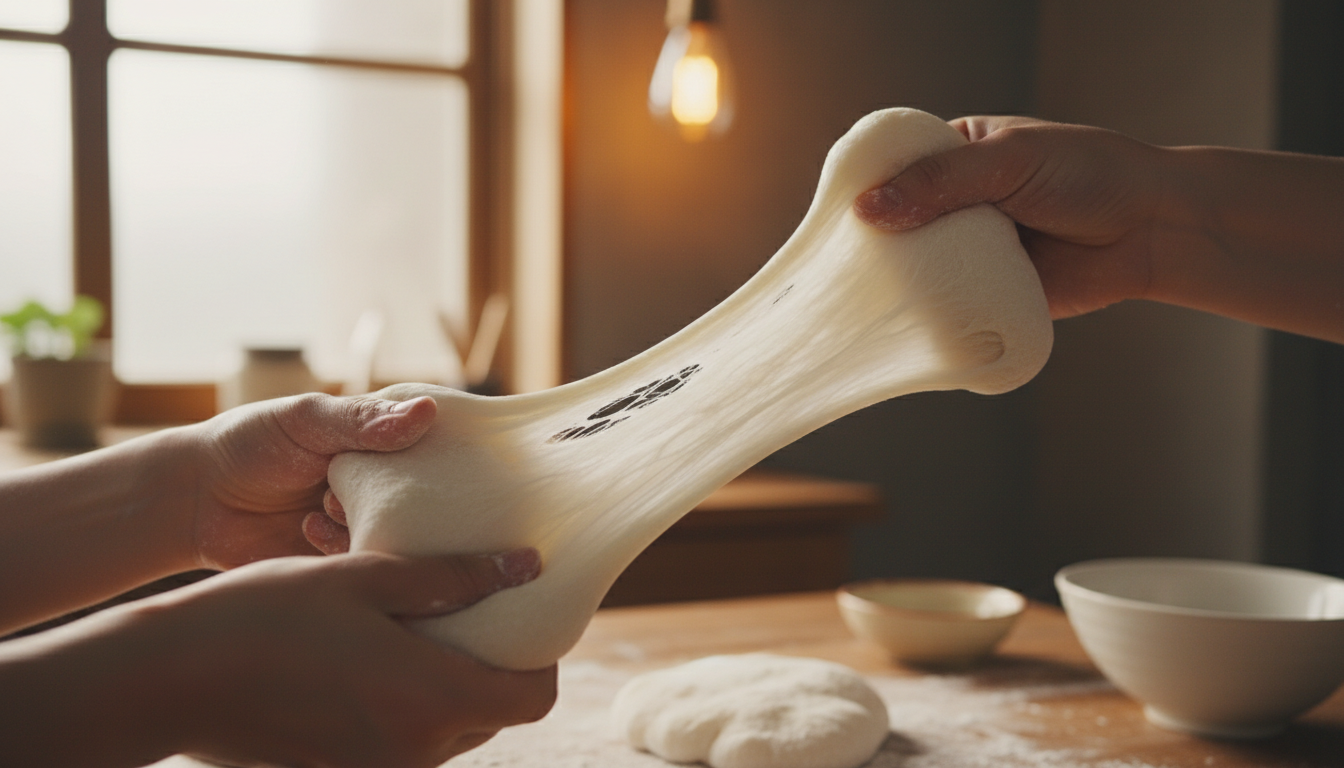
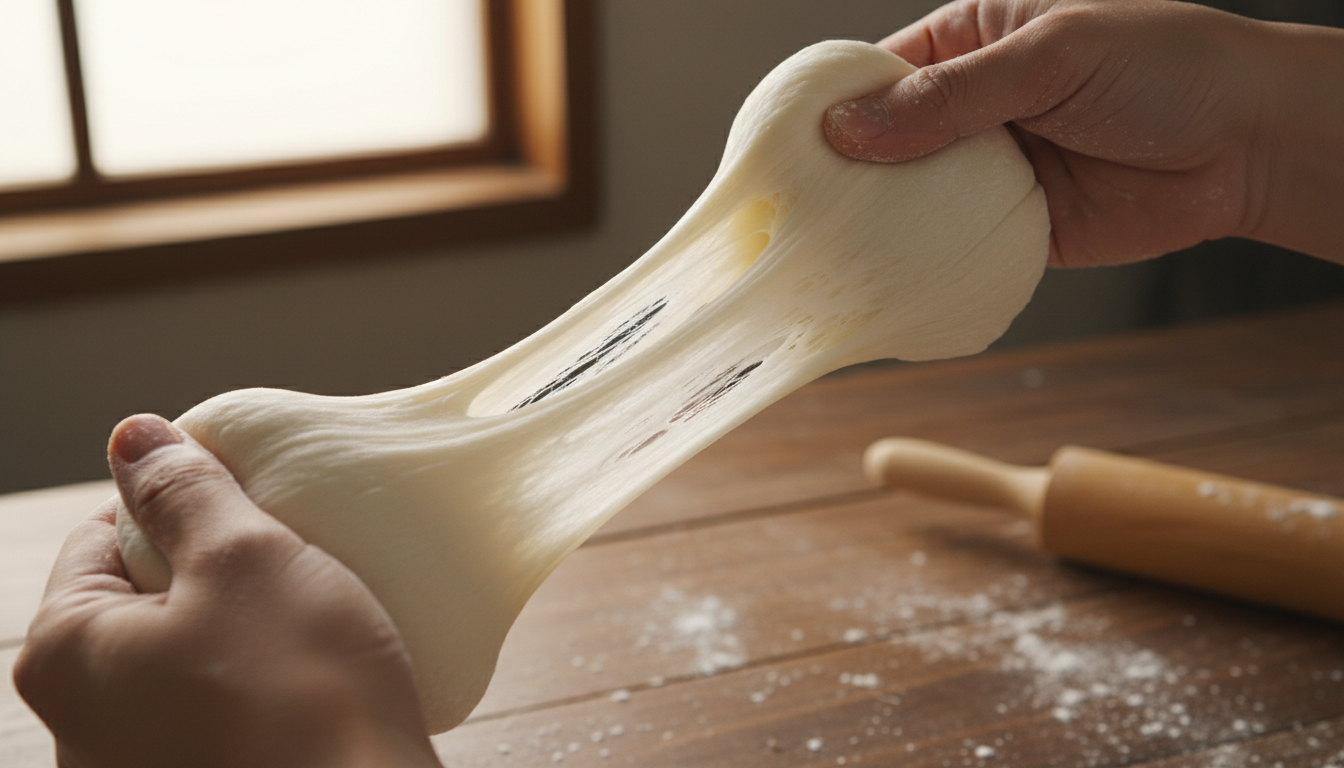
Mochi (pronounced MOH-chee) is a Japanese confection with a history stretching back over 1,000 years. At its core, it’s a rice cake — but calling it that undersells how unique it really is. The texture is soft, pillowy, and almost elastic. It stretches when you pull it and bounces back when you press it. That distinctive chewiness is the result of the glutinous starch in sweet rice, which behaves very differently from regular rice starch when cooked and pounded.
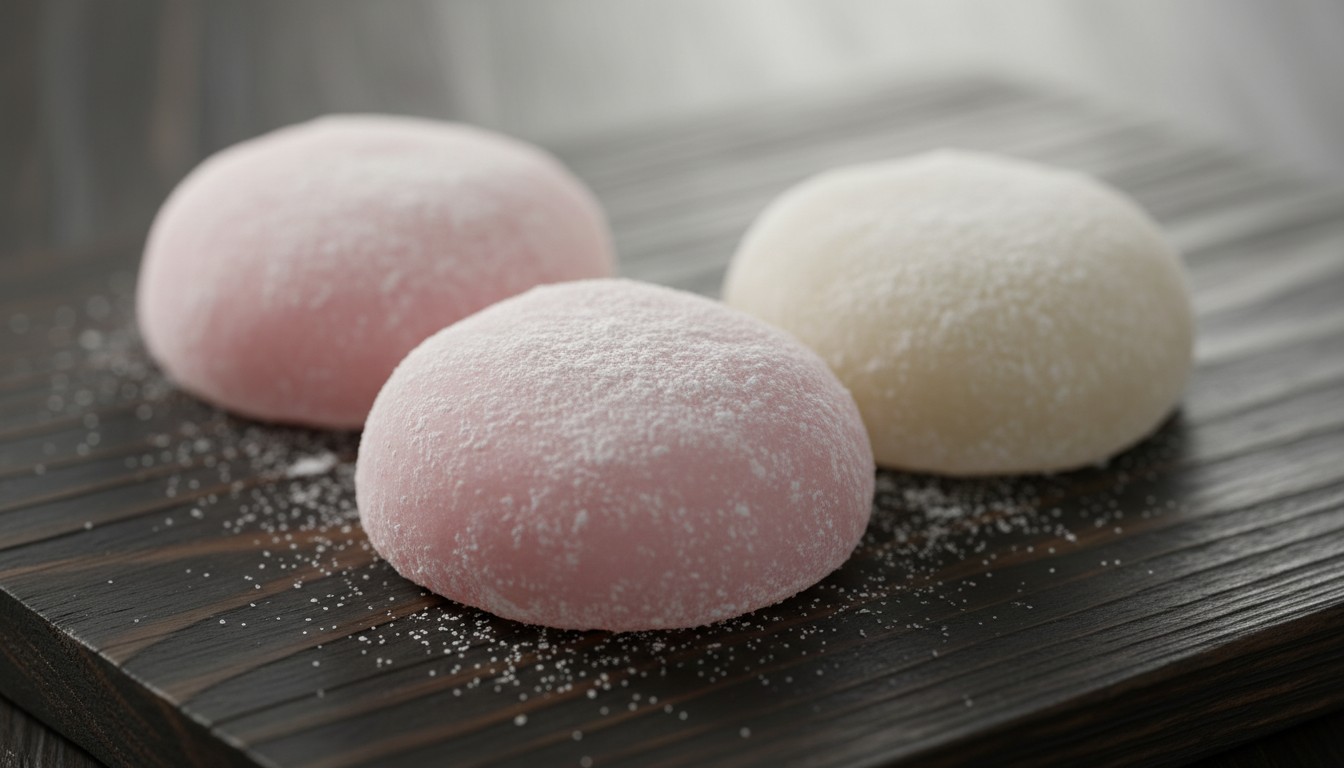
In Japan, mochi is deeply tied to New Year celebrations (Oshogatsu), where freshly pounded mochi — called kagami mochi — is used as a ceremonial offering. Today, it’s enjoyed year-round in countless forms, from simple grilled mochi to elaborate wagashi (Japanese sweets) and the wildly popular mochi ice cream you’ll find at Trader Joe’s.
History of Mochi
Mochi dates back to the Heian period (794–1185 AD) in Japan, though its origins likely predate written records. Rice was considered a sacred grain, and the act of pounding it into mochi — called mochitsuki — was a communal ritual performed at shrines and during harvest festivals.
Over centuries, mochi evolved from a ceremonial food into an everyday treat. Regional variations emerged across Japan, each with different shapes, fillings, and preparation methods. By the 20th century, mochi had spread beyond Japan to become a beloved treat across East and Southeast Asia — and eventually, the world.
The modern mochi ice cream we know in the US was invented in the 1990s by Frances Hashimoto, who popularized the format through her company Mikawaya. Since then, brands like Bubbies, My/Mo, and Trader Joe’s have made mochi ice cream a mainstream freezer staple.
Types of Mochi
Mochi comes in more varieties than most people realize. Here are the most common types you’ll encounter:
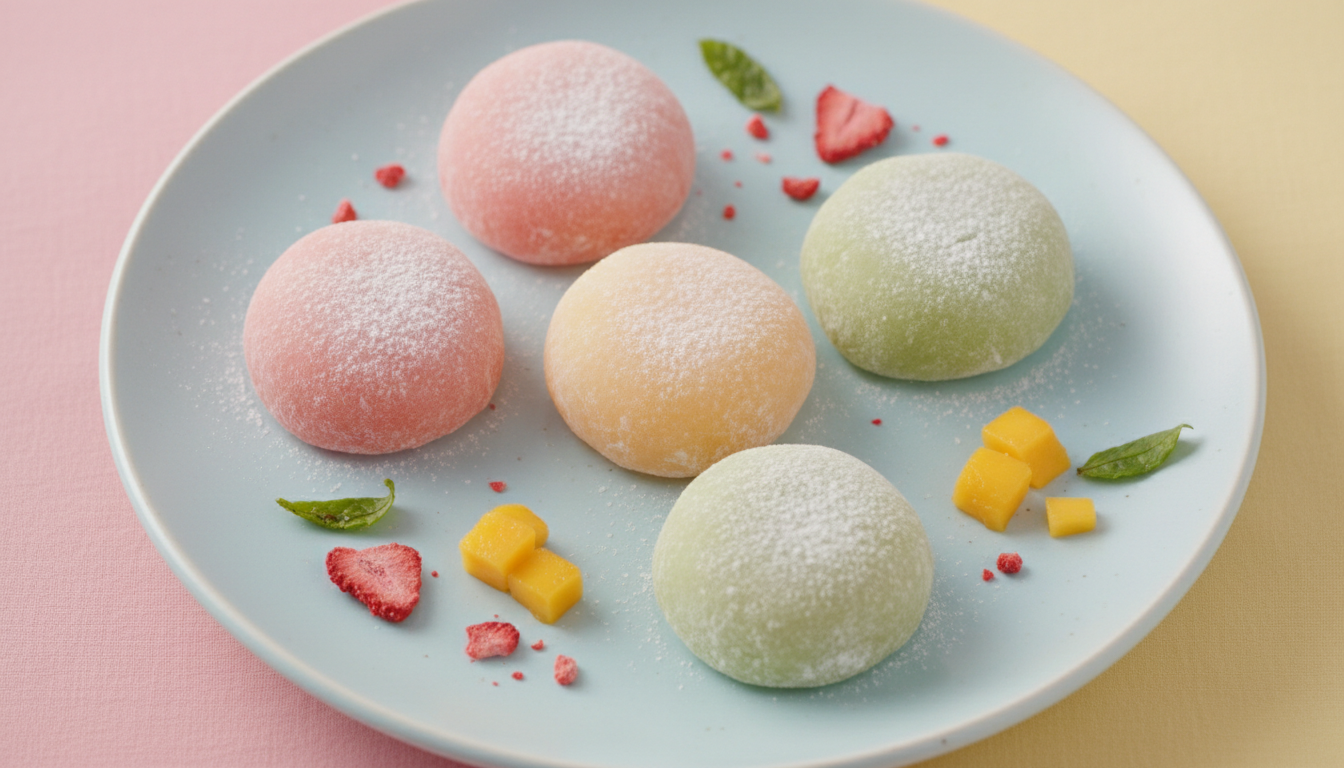
- Daifuku — The most popular style: a small round mochi stuffed with sweet red bean paste (anko). Variations include strawberry daifuku (with a whole strawberry inside) and cream-filled versions.
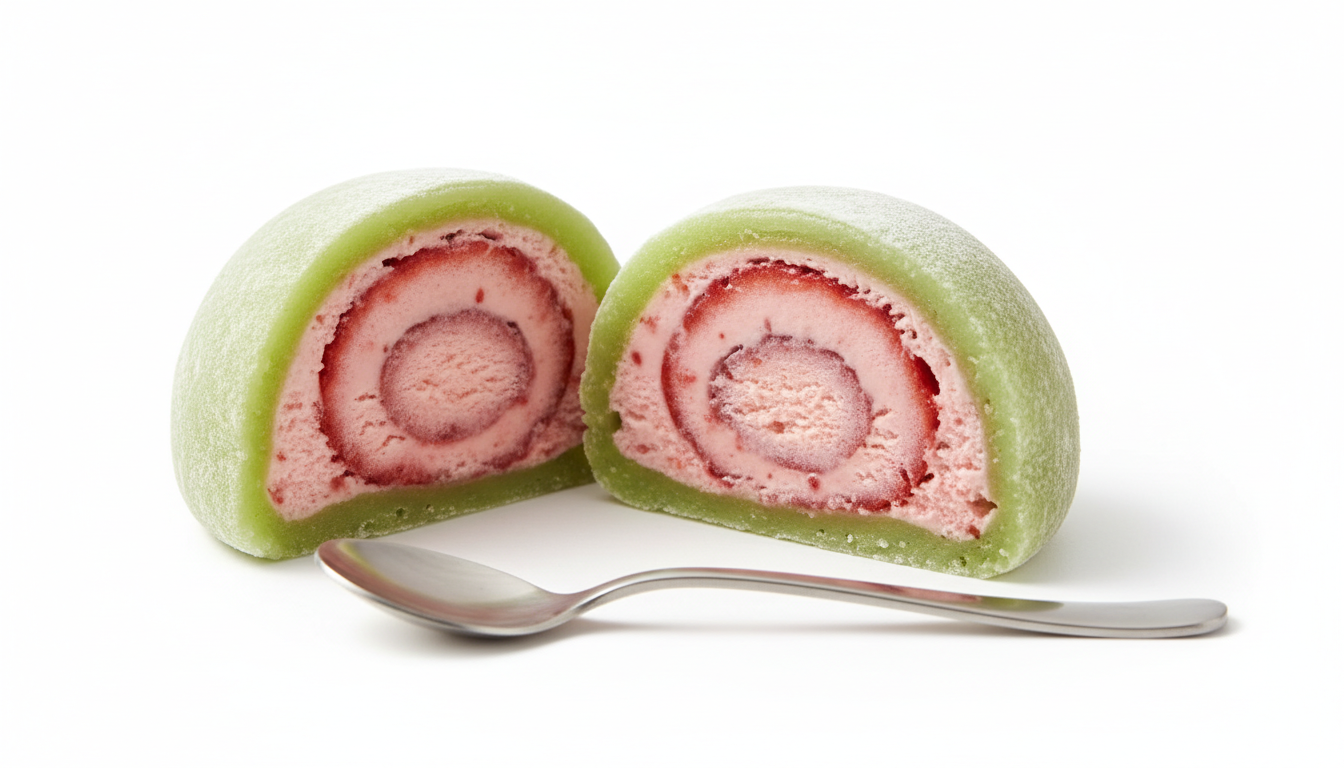
- Mochi Ice Cream — A thin, slightly sweetened mochi wrapper around a ball of ice cream. Available in dozens of flavors and widely sold in the US.
- Kashiwa Mochi — A mochi stuffed with red bean paste and wrapped in an oak leaf, traditionally eaten on Children’s Day in Japan.
- Sakura Mochi — Pink-colored mochi with red bean filling, wrapped in a pickled cherry blossom leaf. A spring seasonal treat.
- Warabi Mochi — A looser, more jelly-like style made from bracken starch rather than glutinous rice, served dusted with roasted soybean flour (kinako).
- Kiri Mochi — Plain, block-shaped mochi sold dried or vacuum-packed. Grilled until puffed and crispy on the outside, soft inside — often eaten savory with soy sauce and nori.
- Oshiruko / Zenzai — Mochi served in a warm sweet red bean soup, a classic Japanese winter dessert.
- Mochi Waffles / Mochi Donuts — Modern fusion formats that use mochi dough to create chewy waffles and ring donuts with a distinctive bouncy texture.
How Mochi Is Made
Traditional mochi is made through a labor-intensive process called mochitsuki. Glutinous rice (sweet rice) is soaked overnight, steamed until fully cooked, then placed in a large stone mortar (usu) and pounded repeatedly with a heavy wooden mallet (kine). The pounding transforms the cooked rice grains into a smooth, homogeneous, incredibly sticky dough.
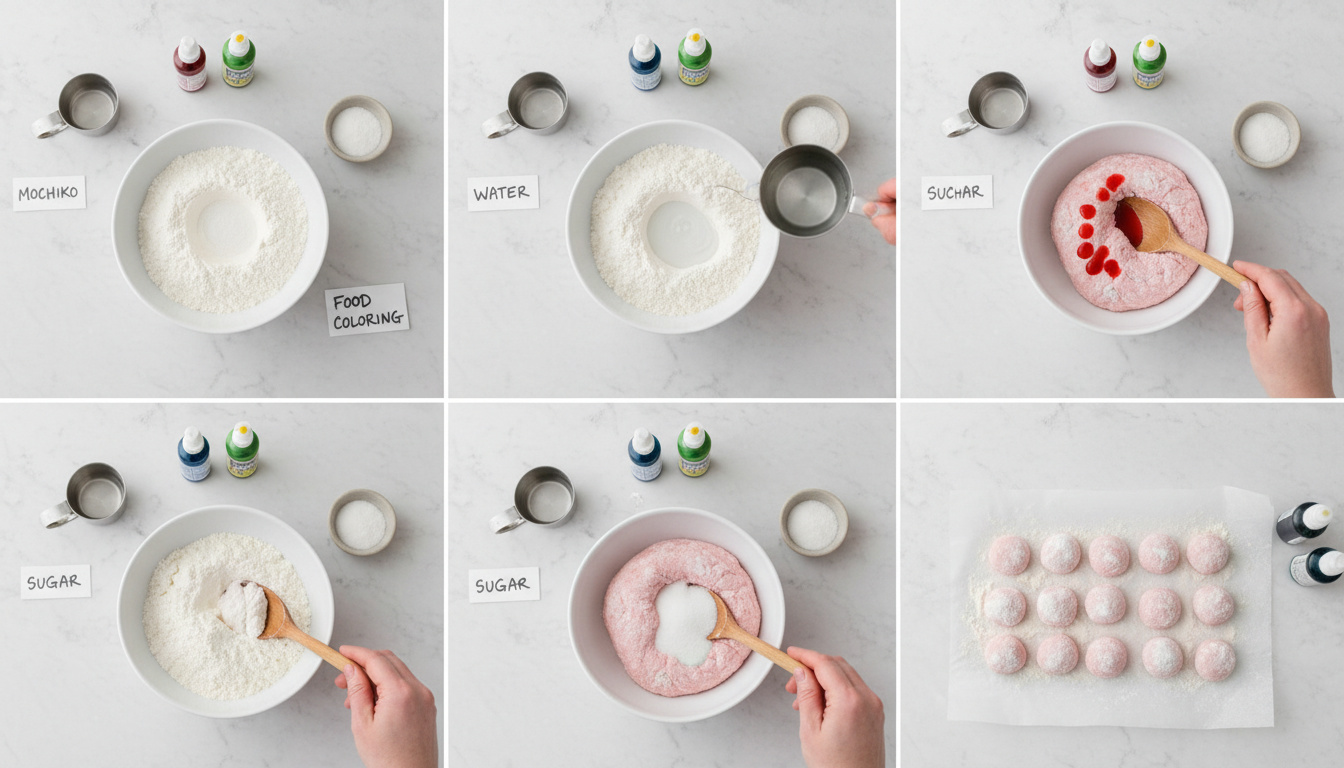
For home cooks, a microwave method using mochiko (sweet rice flour) makes the process much more accessible. You simply combine the flour with water and sugar, microwave in short bursts while stirring, and the dough comes together in minutes — no mallet required.
The key ingredient — and what makes mochi different from all other rice products — is the starch. Glutinous rice is nearly 100% amylopectin starch (versus regular rice, which contains both amylopectin and amylose). Amylopectin is what creates mochi’s signature sticky, elastic texture when cooked.
What Does Mochi Taste Like?
Plain mochi has a mild, lightly sweet flavor — almost neutral. The real experience is textural: soft, dense, chewy, and slightly sticky in the best way. It’s unlike anything else in the Western dessert world. The closest comparison might be a gummy bear, but even that doesn’t capture the way mochi gives and stretches.
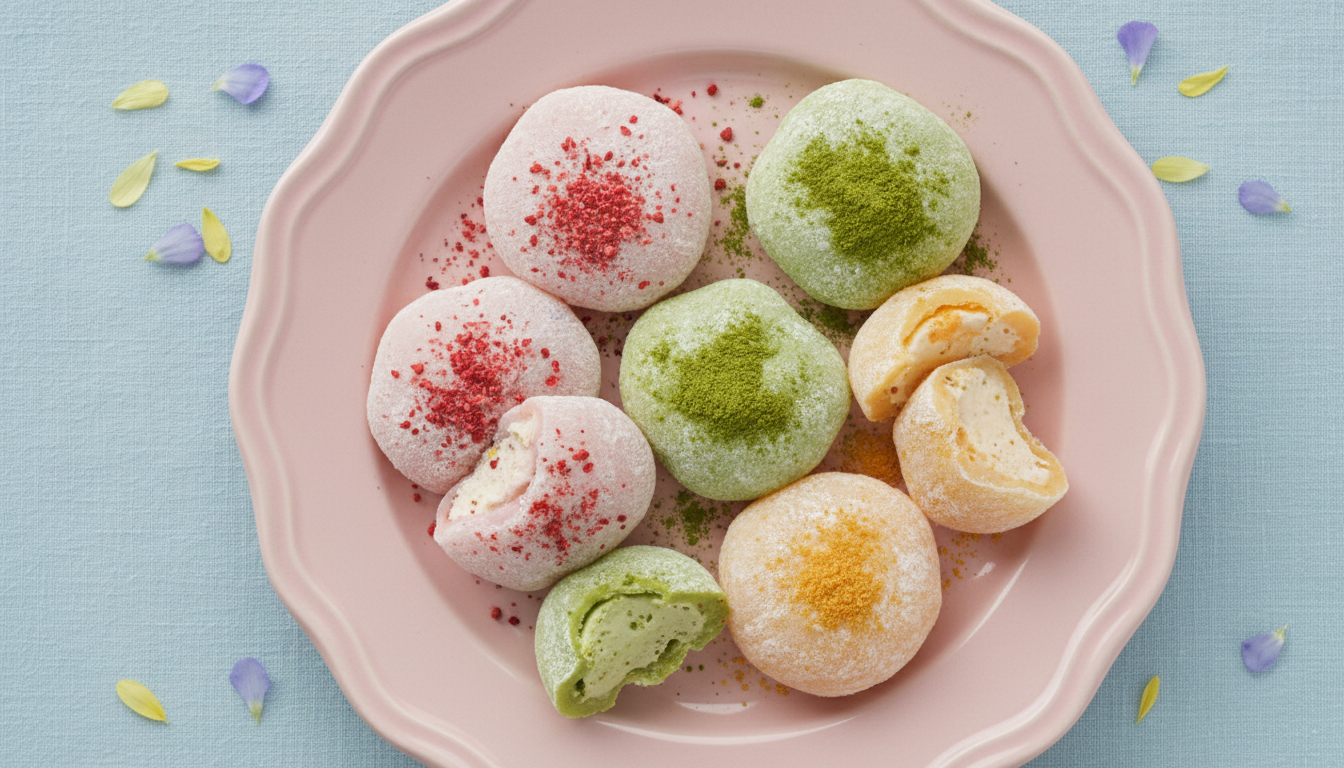
Flavored mochi takes on whatever it’s paired with — the red bean filling in daifuku is earthy and gently sweet; matcha mochi has a pleasant grassy bitterness; mochi ice cream delivers a contrast between the cool, creamy center and the soft, slightly resistant wrapper.
Mochi Ice Cream
Mochi ice cream is probably the first thing that comes to mind for most Americans. It’s exactly what it sounds like — a thin, pliable mochi shell wrapped around a small scoop of ice cream. The contrast of textures is what makes it so addictive: the slight chew of the wrapper against the cold, smooth ice cream inside.
The most popular flavors you’ll find in US stores include strawberry, mango, vanilla bean, chocolate, green tea (matcha), red bean, and cookies and cream. Trader Joe’s sells mochi ice cream for around $5 for a box of 8, making it one of the best value frozen desserts in any grocery store. Bubbies and My/Mo are premium alternatives found at Whole Foods and specialty stores.
Where to Buy Mochi
Mochi is easier to find than ever in the US:
- Trader Joe’s — Best everyday option for mochi ice cream; affordable and reliably stocked
- Whole Foods / Sprouts — Carries Bubbies and My/Mo premium mochi ice cream
- Asian grocery stores — Best selection for fresh daifuku, packaged mochi varieties, and mochiko flour for making your own
- Amazon — Wide variety of imported Japanese mochi, mochiko flour, and specialty flavors shipped to your door
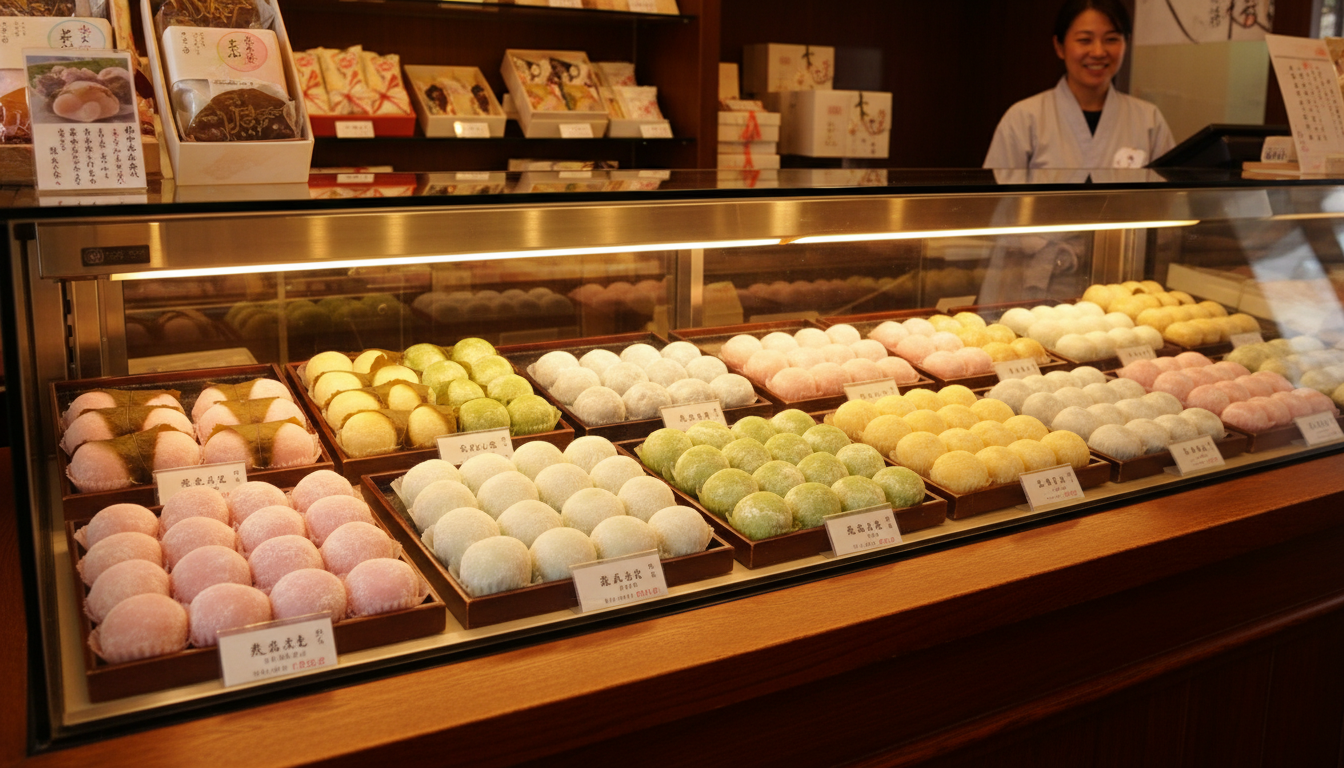
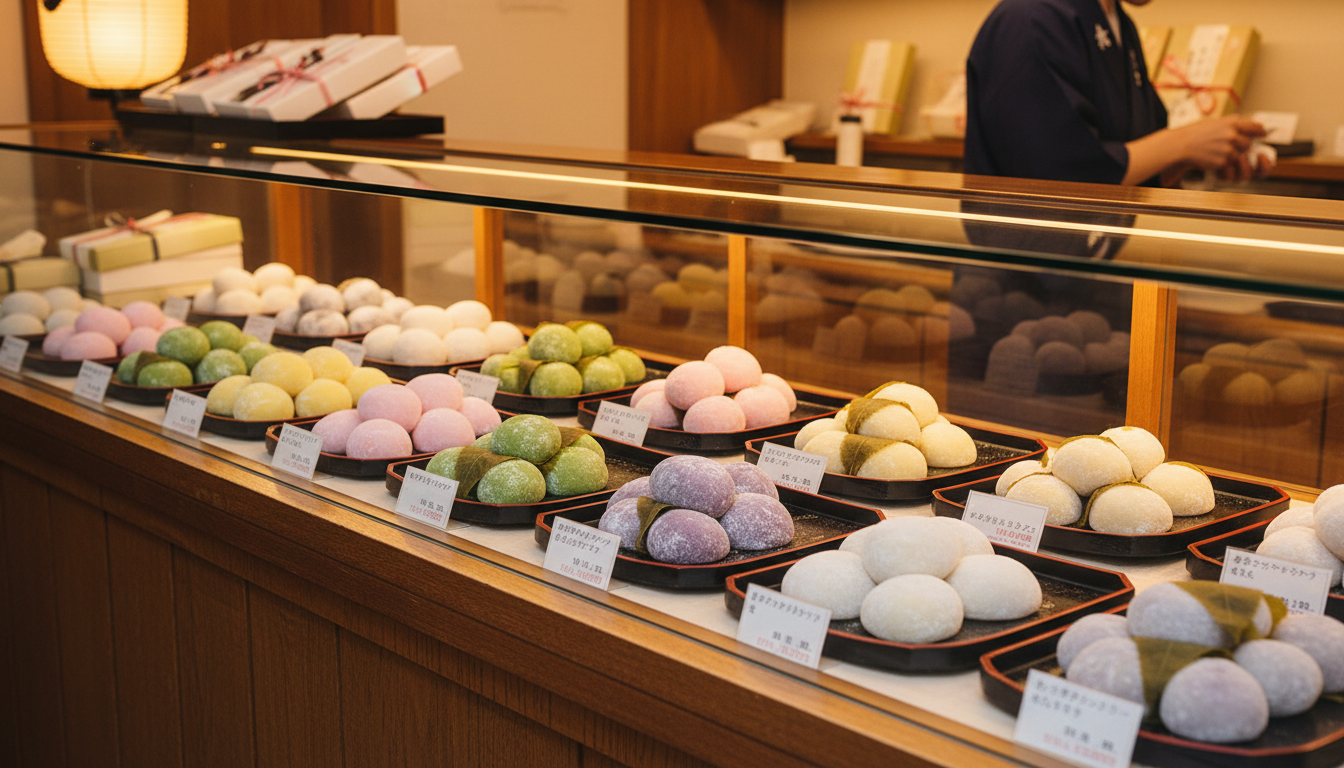
- Japanese restaurants and bakeries — Fresh wagashi mochi is increasingly available at Japanese patisseries in major cities
Frequently Asked Questions
Is mochi gluten-free?
Yes — traditional mochi made from glutinous rice flour is naturally gluten-free. The name “glutinous” refers to its sticky texture, not the gluten protein. Always check the label on packaged products, as some flavored mochi or mochi ice cream may contain additives with gluten.
Is mochi vegan?
Plain mochi is vegan — just rice and water. However, many fillings (like certain cream-based fillings) and mochi ice cream are not. Check ingredients if that matters to you.
Is mochi healthy?
Plain mochi is relatively low in fat and made from a simple whole-food ingredient. It’s higher in carbohydrates and calories than you might expect for its small size (about 100 calories per piece of daifuku). Mochi ice cream is a dessert and should be treated as one — but at roughly 100 calories per piece, it’s a lighter option than many alternatives.
Can you choke on mochi?
Mochi does pose a choking risk, particularly for young children and the elderly, because of its sticky, elastic texture. In Japan, there are annual reports of mochi-related choking incidents around New Year. Always eat mochi in small bites and chew thoroughly — never swallow a large piece whole.
What is the difference between mochi and a rice cake?
In common American usage, “rice cake” usually refers to the puffed, dry, cracker-like snacks (like Quaker rice cakes). Mochi is completely different — it’s made from glutinous sweet rice pounded into a sticky dough, giving it a soft, chewy texture that’s nothing like a puffed rice cracker.