
Dutch process cocoa powder is dairy free. Pure dutch process cocoa contains only roasted, alkalinized cacao solids—no milk, cream, or dairy derivatives. However, some brands process cocoa in facilities that also handle milk products, creating cross-contamination risk for those with dairy allergies or vegan commitments. Always check the label for shared-equipment warnings before purchasing.
What Is Dutch Process Cocoa Powder?
Dutch process cocoa (also called “dutched” cocoa or alkalized cocoa) is made by treating cacao beans or cacao powder with an alkaline solution—typically potassium carbonate—to neutralize the natural acidity. The result is a cocoa powder that’s:
- Darker in color — deep, rich reddish-brown to almost black
- Milder in flavor — less bitter, more mellow chocolate taste
- Higher pH — typically pH 7–8 vs. natural cocoa’s pH 5–6
- Soluble in liquids — dissolves more easily in hot chocolate or batter
The alkalizing process was invented by Coenraad Johannes van Houten in the Netherlands in 1828—hence the name. It’s widely used in professional baking for its deep color and smooth flavor. You’ll find it in premium chocolate cakes, brownies, chocolate cookies, and hot cocoa mixes.
According to Serious Eats, the pH difference between Dutch process and natural cocoa is significant enough to affect leavening in baked goods—Dutch process doesn’t react with baking soda the way natural cocoa does.
Is Dutch Process Cocoa Powder Dairy Free?
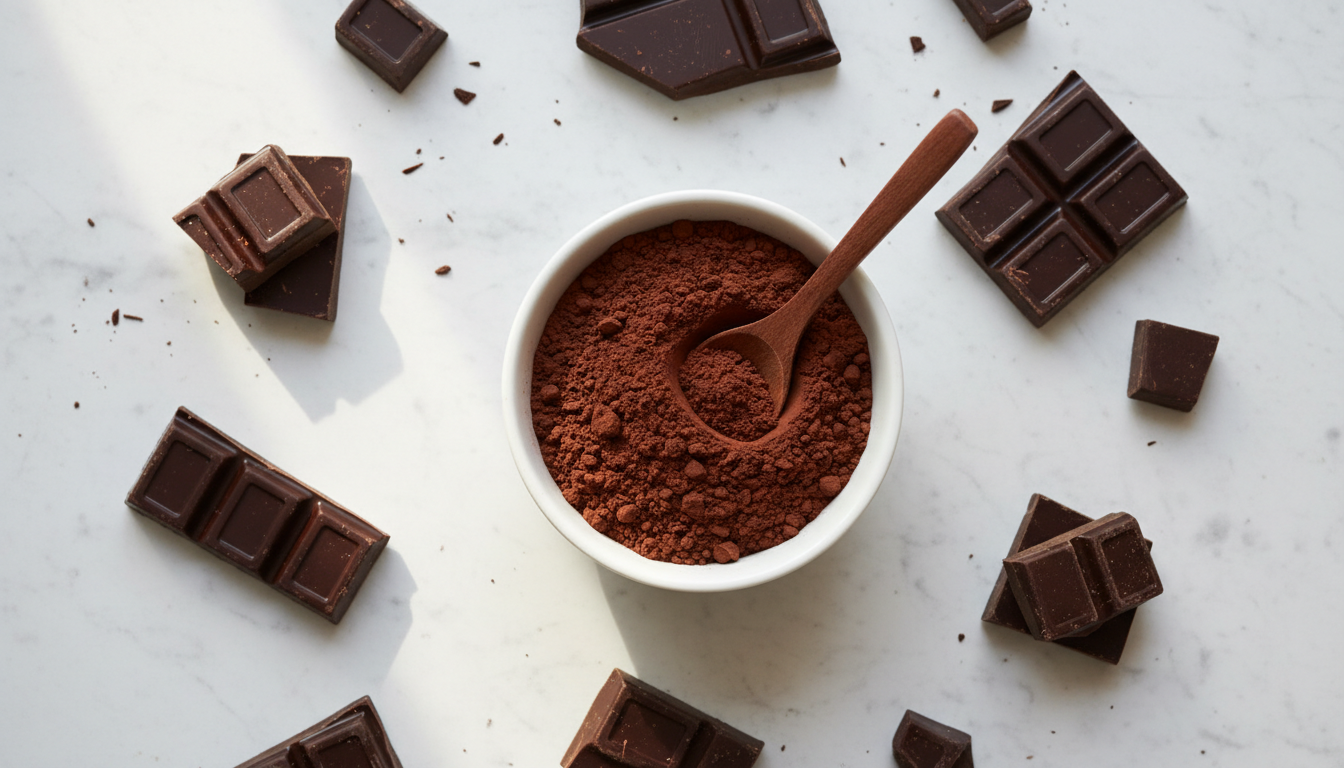
Yes—pure Dutch process cocoa powder contains zero dairy ingredients. The ingredient list on a pure product reads simply: “cocoa processed with alkali” or “alkalized cocoa powder.” No milk powder, whey, casein, butter, or lactose is involved in manufacturing pure cocoa powder.
The FDA defines dairy-containing foods as those that include milk from cows, goats, sheep, or other mammals as an ingredient. Cocoa powder—Dutch process or natural—doesn’t inherently meet this definition. It comes from the cacao plant (Theobroma cacao), a tropical tree, making it entirely plant-based at its core.
That said, there are three situations where Dutch process cocoa might not be dairy free in practice:
- Shared equipment with milk products — Many cocoa brands process in facilities that also handle milk chocolate, whey, or other dairy products. Cross-contact can introduce trace dairy proteins.
- Flavored or sweetened cocoa blends — Products labeled “Dutch cocoa mix” or “hot cocoa mix” often contain dried whole milk, nonfat milk powder, or whey.
- Compound cocoa products — Some baking chips, cocoa-coated items, or ready-to-use mixes include Dutch cocoa alongside dairy additives.
For most dairy-free eaters who simply avoid dairy ingredients, pure Dutch process cocoa is completely safe. For those with severe dairy allergies or celiac-level sensitivity, finding a certified dairy-free or vegan-certified brand matters.
Dutch Process vs. Natural Cocoa — Does It Affect Dairy-Free Status?
Neither Dutch process nor natural cocoa powder inherently contains dairy. The distinction between them is entirely about pH and processing—not ingredients. Both start as the same raw material: cacao beans that are fermented, dried, roasted, and pressed to remove cocoa butter, leaving behind a dry cake that’s ground into cocoa powder.
Natural cocoa powder is simply that pressed cake ground up without alkalizing. Dutch process goes through the additional alkalizing step. Neither process introduces dairy.
Where they diverge for dairy-free shoppers is purely at the brand/facility level:
| Type | Dairy Ingredients? | Cross-Contamination Risk? | Best For |
|---|---|---|---|
| Dutch Process Cocoa | No (pure form) | Varies by brand | Deep chocolate cakes, brownies, Oreo-style cookies |
| Natural Cocoa | No (pure form) | Varies by brand | Red velvet, devil’s food, recipes using baking soda |
| Sweetened Cocoa Mix | Often YES | High risk | Hot chocolate (NOT suitable for dairy-free without checking) |
If you’re making a chocolate lava cake recipe or any deeply chocolatey baked good at home, pure Dutch process cocoa is a great dairy-free choice—just verify the brand below.
Popular Dutch Process Cocoa Brands — Dairy Free Status
Here’s a rundown of the most common Dutch process cocoa powders and their dairy-free status based on current labeling and manufacturer information:
Hershey’s Special Dark Cocoa
Hershey’s Special Dark is a Dutch process (alkalized) cocoa. The ingredient list: cocoa processed with alkali. No dairy ingredients. However, Hershey’s labels many of its products “may contain milk” due to shared manufacturing lines. For strict dairy-free or vegan use, the cross-contact warning is a concern. For those simply avoiding dairy ingredients (not allergens), it’s safe.
Cacao Barry Extra Brute
A professional-grade Dutch process cocoa used in patisseries worldwide. Ingredient: cocoa powder. No dairy. No shared-facility dairy warnings on standard packaging. Considered safe for dairy-free and vegan baking by most professional bakers.
Valrhona Cocoa Powder
Valrhona produces both natural and Dutch process cocoa. Their pure cocoa powders list only cocoa as an ingredient. However, Valrhona also produces chocolate products containing dairy in the same facilities—so trace cross-contact is possible. Not certified vegan or dairy-free.
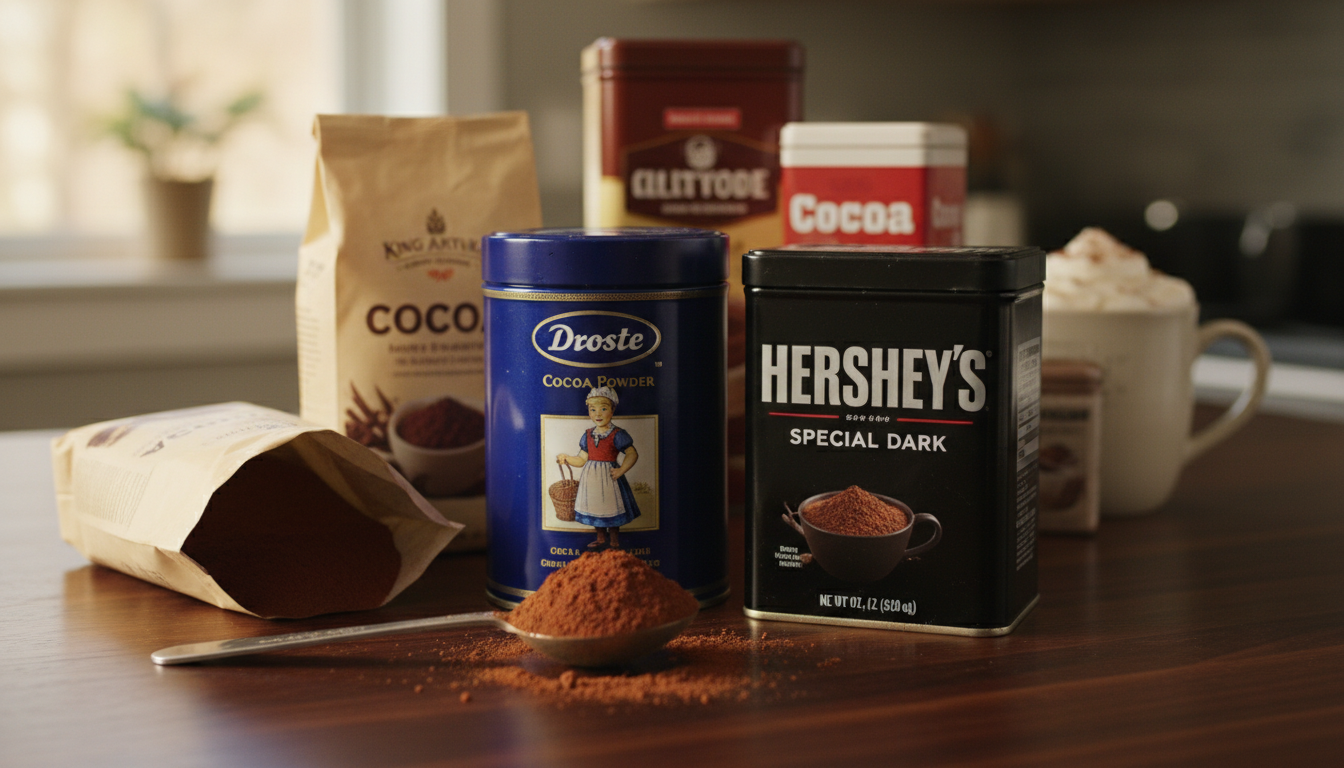
Dutched Cocoa by King Arthur Baking
King Arthur’s Dutch process cocoa is labeled dairy free and is produced in a dedicated facility. One of the cleanest options for dairy-free and vegan bakers. No shared equipment warnings. Widely recommended in the dairy-free baking community.
Rodelle Dutch Processed Cocoa
Rodelle’s Dutch process cocoa powder contains only alkalized cocoa. The label does not carry a “contains milk” warning, though the company notes it’s manufactured in a facility that processes tree nuts. No dairy cross-contact warning. Generally considered safe for dairy-free use.
Droste Dutch Cocoa
Droste is a classic Dutch brand—literally from the Netherlands—and their cocoa powder is alkalized cocoa only. No dairy. Available in many European import stores and online. A reliable dairy-free option with no cross-contamination warnings on current packaging.
How to Tell If a Cocoa Powder Is Dairy Free
Reading a cocoa label correctly is the fastest way to know if it’s safe for dairy-free use. Here’s what to look for:
- Ingredients list: Should say only “cocoa,” “cocoa powder,” “cocoa processed with alkali,” or similar. Anything with “milk,” “cream,” “whey,” “casein,” or “butter” signals dairy content.
- Allergen statement: The FDA requires bold “Contains: Milk” if milk is an intentional ingredient. If you see this, it’s not dairy free.
- May contain / processed in a facility warning: This is a voluntary cross-contamination advisory. For strict dairy allergies or anaphylaxis risk, avoid these. For vegan lifestyle purposes, many people accept these.
- Certified Vegan or Certified Dairy Free seals: These indicate third-party verification that the product and its manufacturing process meet dairy-free standards.
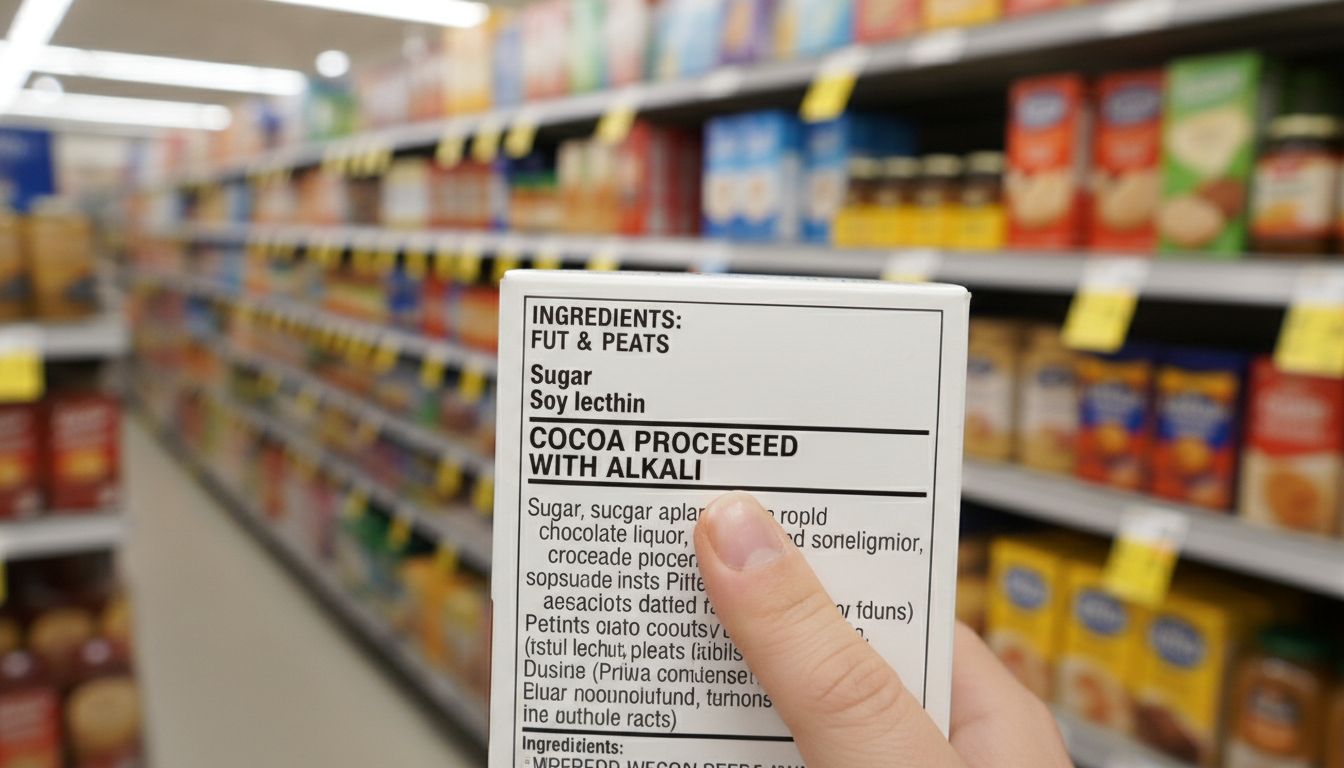
This same label-reading approach applies to other dessert ingredients. For example, if you’re making a dairy-free no-bake cheesecake or a dairy-free tiramisu, you’ll want to apply this same scrutiny to each ingredient—especially chocolate chips, cream alternatives, and cocoa-based additions.
Is Dutch Process Cocoa Vegan?
Yes—pure Dutch process cocoa is vegan. The alkalizing agents used (typically potassium carbonate, also called pearl ash) are mineral-based, not animal-derived. No animal products enter the process.
Dutch process cocoa is a staple in vegan baking precisely because it delivers deep, rich chocolate flavor without any animal ingredients. It’s particularly popular for:
- Vegan chocolate cakes and cupcakes
- Dairy-free brownies
- Vegan hot chocolate (when paired with plant milk)
- Chocolate frosting using vegan butter or coconut oil
- Raw chocolate energy balls and truffles
If you’re looking for vegan candy and dessert ingredients, our complete guide to vegan candy covers which popular candies are safe and which aren’t.
Can You Substitute Natural Cocoa for Dutch Process in Dairy-Free Recipes?
From a dairy-free standpoint, yes—both are dairy free. But from a baking chemistry standpoint, they’re not always interchangeable:
- Dutch process is neutral to slightly alkaline. It doesn’t react with baking soda. Use it in recipes that call for baking powder or no leavener.
- Natural cocoa is acidic. It reacts with baking soda to create lift. Use it when a recipe specifies baking soda as the primary leavener.
Substituting Dutch for natural (or vice versa) without adjusting leavening can cause flat baked goods or ones that don’t rise properly. If you must substitute:
- Replace Dutch with natural cocoa 1:1, but add 1/8 tsp cream of tartar per tablespoon of cocoa to balance pH
- Replace natural with Dutch 1:1, but switch baking soda to baking powder (use 1 tsp baking powder per 1/4 tsp baking soda)
This distinction matters most for layer cakes, muffins, and quick breads. For puddings, frostings, and no-bake recipes, you can swap freely.
Check out our easy flan recipe and matcha churros recipe—both dairy-free friendly desserts that let you experiment with cocoa-free flavor profiles too.
Frequently Asked Questions
Is all cocoa powder dairy free?
Pure cocoa powder—whether Dutch process or natural—contains no dairy ingredients. However, flavored cocoa mixes, hot chocolate blends, and some baking mixes often add milk powder or whey. Always read the ingredient list, not just the front of the package.
Does “processed with alkali” mean it’s not vegan?
No. “Processed with alkali” refers to the Dutch process alkalizing step using potassium carbonate (a mineral salt), not any animal product. This phrasing simply distinguishes Dutch process from natural cocoa—it has no bearing on dairy or vegan status.
Is Hershey’s Special Dark dairy free?
Hershey’s Special Dark Cocoa contains no dairy ingredients—the only ingredient is “cocoa processed with alkali.” However, it’s produced on shared equipment with dairy products, so it carries a cross-contamination advisory. Fine for those avoiding dairy ingredients, but not recommended for those with clinical dairy allergies.
What’s the best dairy-free Dutch process cocoa for baking?
King Arthur Baking’s Dutch process cocoa is among the most trusted dairy-free options—it’s labeled dairy free and produced without shared dairy equipment. Cacao Barry Extra Brute and Droste are also excellent choices with clean ingredient lists and no dairy warnings.
Can I use Dutch process cocoa in a vegan chocolate cake?
Absolutely. Dutch process cocoa is one of the best ingredients for vegan chocolate cakes because its neutral pH blends smoothly without requiring acidic dairy like buttermilk. Pair it with plant-based milk, vegan butter or coconut oil, and baking powder for a moist, deeply flavored dairy-free and vegan chocolate cake.