
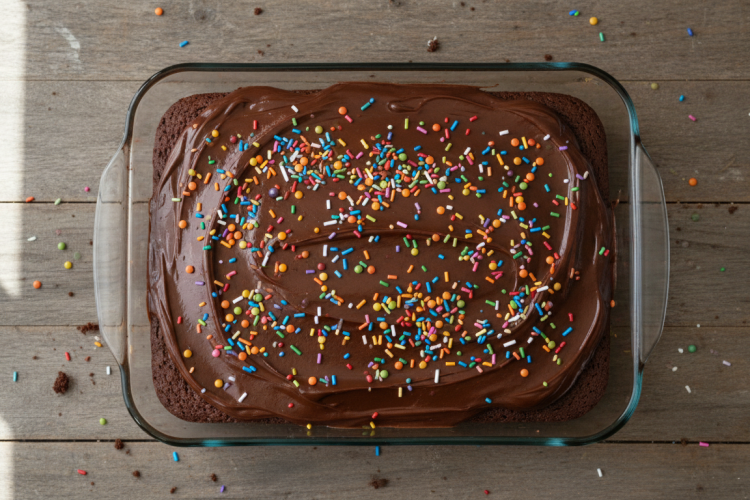
The best chocolate sheet cake from scratch comes together in one bowl, bakes in a 9×13 pan, and feeds a crowd — no layers, no leveling, no fuss, just deep, fudgy chocolate flavor with a glossy chocolate fudge frosting poured directly over the warm cake. This is the recipe for potlucks, birthday parties, and any occasion where you need a lot of delicious cake with minimal effort.
Why Sheet Cake Beats Layer Cake for a Crowd
Layer cakes are beautiful, but they demand time: cooling, leveling, crumb-coating, chilling between stages. A sheet cake skips every one of those steps. You bake it in a single pan, pour the warm frosting directly over the slightly-cooled cake (the frosting sets into a fudgy, crackly layer as it cools), and it’s done. The result is actually more satisfying at a party than a layer cake — easy to slice into neat squares, easy to serve, and everyone gets an equal amount of frosting in every bite.
The other advantage: sheet cake is more forgiving. Because you’re not stacking layers, slight unevenness in the bake doesn’t matter. You don’t need to worry about the cake sliding or the frosting cracking when you cut it. If you’ve ever been frustrated with layer cakes, this is the recipe that will restore your faith in homemade chocolate cake.
If you’re more interested in the full layer cake experience, check out our Fluffy Chocolate Cake Recipe — it covers the same flavor base with stacked layers, ganache drip, and buttercream frosting.
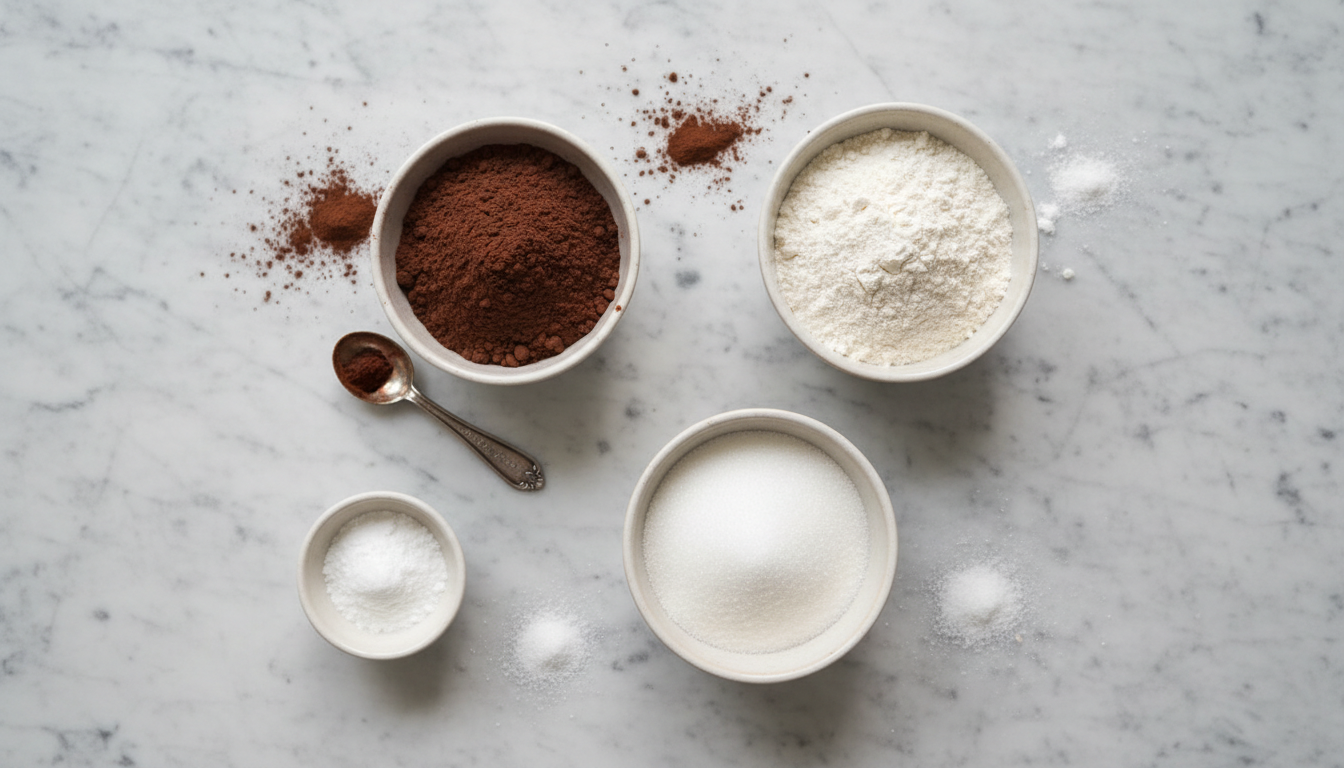
Ingredients for Chocolate Sheet Cake
This recipe makes one full 9×13-inch sheet cake — about 20 to 24 servings, depending on how generously you cut. Here’s everything you need:
For the Cake
- 2 cups (240g) all-purpose flour
- 2 cups (400g) granulated sugar
- ¾ cup (75g) unsweetened Dutch-process cocoa powder
- 2 teaspoons baking soda
- 1 teaspoon baking powder
- 1 teaspoon fine sea salt
- 2 large eggs, room temperature
- 1 cup (240ml) buttermilk, room temperature
- 1 cup (240ml) strong hot coffee or boiling water
- ½ cup (120ml) neutral vegetable oil
- 2 teaspoons pure vanilla extract
For the Poured Chocolate Fudge Frosting
- ½ cup (115g) unsalted butter
- ⅓ cup (35g) unsweetened cocoa powder
- ⅓ cup (80ml) whole milk
- 3 cups (360g) powdered sugar, sifted
- 1 teaspoon pure vanilla extract
- Pinch of salt
- Optional: ½ cup chopped pecans or rainbow sprinkles for topping
A note on the frosting: this is a poured fudge frosting — different from a spreadable buttercream. You cook butter, cocoa, and milk together on the stovetop, whisk in powdered sugar, and pour it over the warm cake. It creates a thin, glossy, fudgy layer that sets semi-firm as it cools. It’s one of the defining characteristics of a classic Texas sheet cake, and it’s genuinely one of the most delicious things in all of baking.
How to Make Chocolate Sheet Cake: Step-by-Step
Step 1: Prep the Pan and Preheat
Preheat your oven to 350°F (175°C). Grease a 9×13-inch metal baking pan generously with butter or baking spray, then dust lightly with cocoa powder (instead of flour, to avoid white patches on the chocolate cake). You can also line it with parchment paper for even easier release, though most sheet cakes are served right from the pan.
Step 2: Whisk the Dry Ingredients
In a large bowl, whisk together the flour, sugar, cocoa powder, baking soda, baking powder, and salt. Make sure the cocoa is evenly distributed — any unblended pockets will show up as slightly bitter or pale spots in the finished cake. If your cocoa tends to clump, sift it first.
Step 3: Add the Wet Ingredients
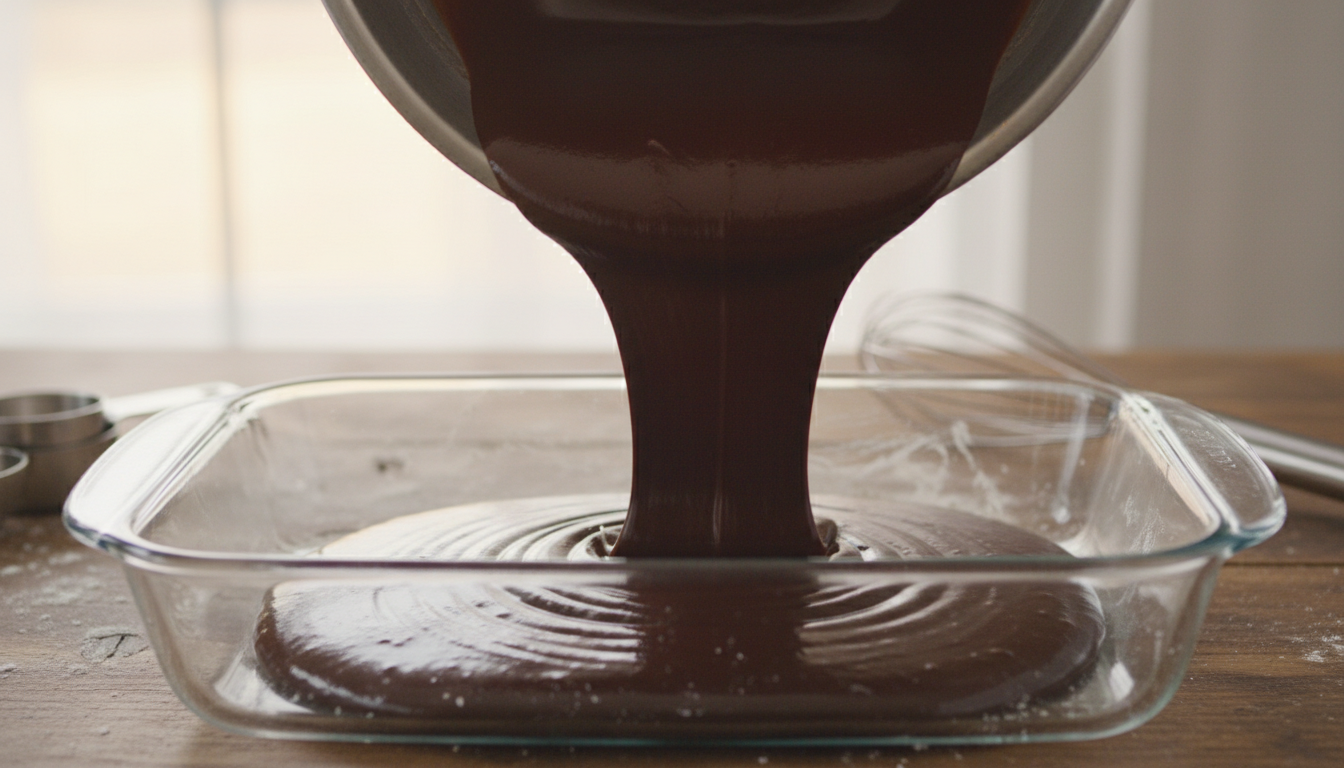
Make a well in the center of the dry ingredients. Add the eggs, buttermilk, oil, and vanilla directly into the well. Stir until just combined — don’t overmix at this stage. Then slowly pour in the hot coffee (or boiling water), stirring as you go. The batter will be very thin and pourable. This is correct. Don’t add more flour. The steam from the hot liquid is part of what makes the cake rise and stay moist.
Hot coffee amplifies the chocolate flavor dramatically. It won’t make the cake taste like coffee — it just makes it taste more intensely chocolate. Serious Eats explains the chemistry: coffee contains bitter compounds similar to those in chocolate, which reinforce and deepen chocolate’s flavor profile rather than adding a distinct coffee note.
Step 4: Bake
Pour the batter into your prepared pan. Bake at 350°F for 30 to 35 minutes. The cake is done when a toothpick inserted in the center comes out with just a few moist crumbs and the edges have pulled away slightly from the sides of the pan. Don’t overbake — sheet cakes can dry out quickly because they’re thinner than layer cakes. Check at 28 minutes.
Step 5: Make the Poured Fudge Frosting
While the cake bakes (or as soon as it comes out), make the frosting. In a medium saucepan, melt the butter over medium heat. Add the cocoa powder and milk, whisking constantly. Bring to a gentle boil for 1 minute, then remove from heat. Whisk in the sifted powdered sugar, vanilla, and a pinch of salt until completely smooth and glossy.
Work quickly — the frosting thickens as it cools. If it becomes too thick to pour, return it to low heat for 30 seconds and stir.
Step 6: Frost the Warm Cake
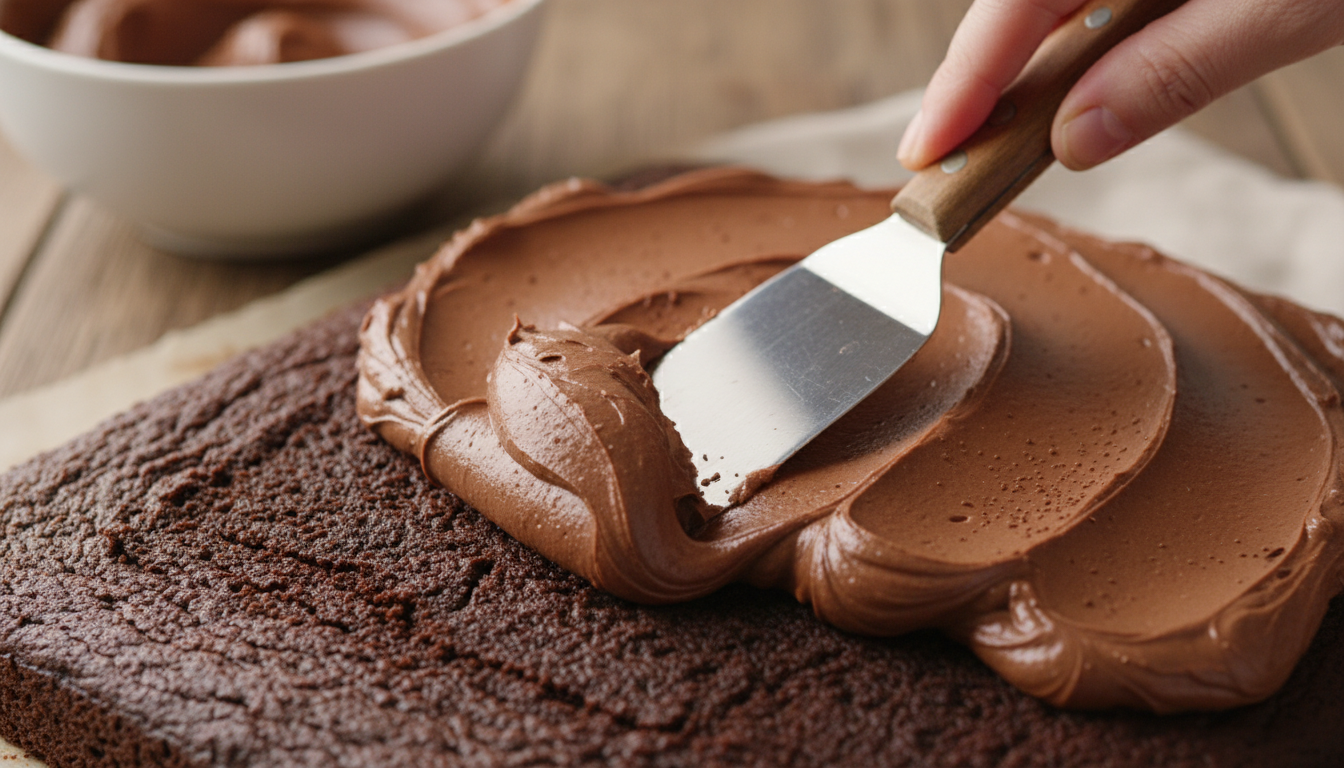
Let the cake cool for exactly 10 minutes after coming out of the oven — not fully cooled, still warm. Pour the hot frosting over the top and use a spatula or the back of a spoon to spread it evenly to the edges. If you’re adding pecans or sprinkles, scatter them over the frosting immediately before it sets.
The warmth of the cake helps the frosting soak in slightly at the edges and adhere to the surface. As the cake and frosting cool together, the frosting sets into a soft, fudgy layer that’s neither spreadable buttercream nor hard ganache — it’s its own wonderful thing.
Step 7: Cool and Serve
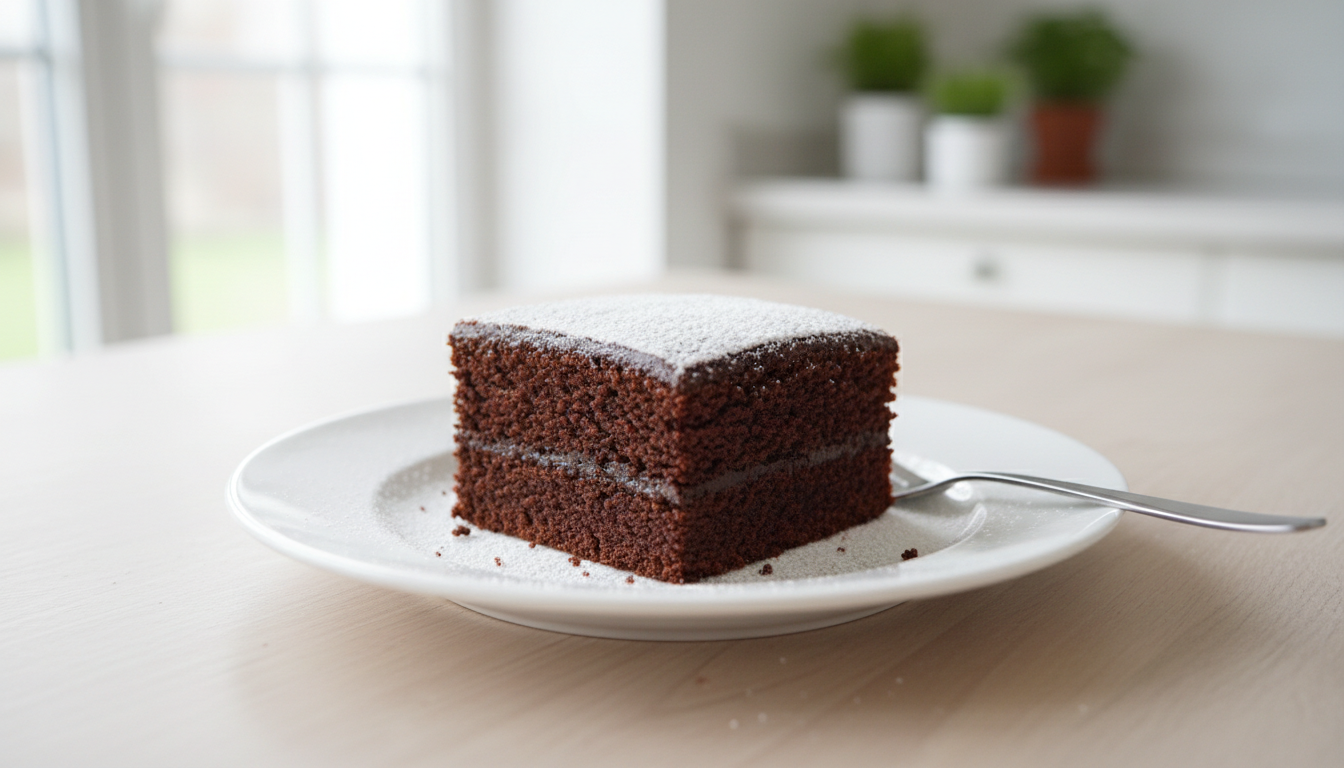
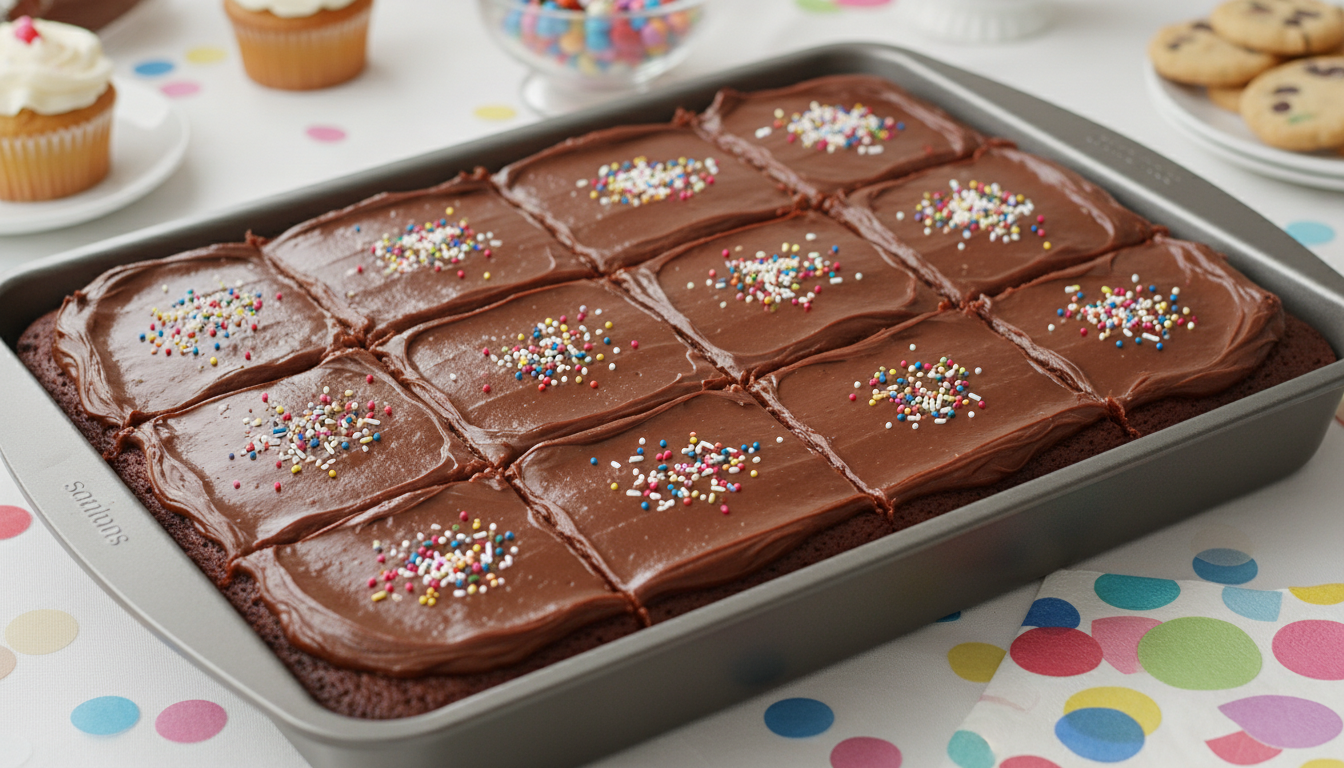
Allow the frosted cake to cool completely in the pan — at least 1 hour at room temperature — before cutting. The frosting needs time to set fully, and cutting too early will result in gooey frosting that slides off the slices. Once set, cut into squares directly in the pan. A 9×13 pan yields approximately 24 squares (6 columns x 4 rows) for a party, or 12 larger squares for a more generous serving.
The Texas Sheet Cake Connection
The poured frosting technique is the signature of the legendary Texas Sheet Cake — a recipe so deeply embedded in Southern baking culture that it appears at virtually every church potluck, school bake sale, and family reunion in Texas. The exact origin is debated, but the recipe gained wide circulation in the 1950s and ’60s, often printed in church cookbooks and newspaper recipe columns.
Traditional Texas Sheet Cake is often made with buttermilk in the batter and includes chopped pecans stirred into the warm frosting — a nod to Texas’s pecan-producing heritage. Wikipedia’s entry on Texas Sheet Cake documents the regional variations and the recipe’s cultural significance. Our version is adapted for accessibility, using ingredients most home bakers already have, while preserving the defining technique: the poured warm frosting.
Variations and Customizations
Once you have the base recipe, it’s endlessly customizable:
- Pecan Texas Style: Stir ½ cup of finely chopped toasted pecans into the warm frosting before pouring, then scatter another ¼ cup of pecan halves on top for presentation. Classic.
- Peanut Butter Swirl: Drizzle ¼ cup of warmed peanut butter over the frosted cake and swirl with a toothpick or skewer while the frosting is still warm. The combination of chocolate and peanut butter is irresistible.
- Mocha: Add 1 teaspoon of espresso powder to both the cake batter and the frosting for a deep mocha profile that pairs beautifully with the dark chocolate.
- Mexican Hot Chocolate: Add 1 teaspoon of cinnamon and a pinch of cayenne to the cake batter, and another ½ teaspoon of cinnamon to the frosting. Finish with a sprinkle of chili powder for a warm, complex heat.
- Sprinkles: Rainbow or chocolate sprinkles added immediately after pouring the frosting make the cake feel instantly festive — perfect for birthday parties and office celebrations.
- Gluten-Free: Substitute the all-purpose flour 1:1 with a quality GF flour blend (Bob’s Red Mill 1-to-1 or King Arthur Measure for Measure). Let the batter rest 10 minutes before baking. The texture is nearly identical.
If you love chocolate-cinnamon combinations, the cinnamon notes in our Churro Cake Recipe are a natural pairing idea — the same spice profile works beautifully in a chocolate context.
Storage and Make-Ahead Tips
One of the great practical virtues of sheet cake is how well it stores and transports. The pan itself becomes the serving vessel and the storage container.
Room temperature: Cover the pan tightly with plastic wrap or aluminum foil. The cake stays moist and delicious for 3 to 4 days at room temperature, thanks to the oil in the batter. Do not refrigerate unless your kitchen is very warm — refrigeration dries out the crumb.
Make-ahead: You can bake the cake one day ahead, frost it the same day, and it will be at peak quality the next day. The frosting actually improves slightly after sitting overnight, becoming more set and fudgy. Simply cover and leave at room temperature.
Freezing: Freeze individual squares wrapped in plastic wrap, then in a zip-lock freezer bag, for up to 3 months. Thaw at room temperature for 1 to 2 hours. The frosting texture changes slightly after freezing — it becomes softer — but the flavor is preserved perfectly.
Transporting: Cover the pan with foil and transport as-is. Sheet cake doesn’t tip or slide the way a stacked layer cake can. It’s the ideal potluck and party cake for this reason.
Pairing Ideas and Serving Suggestions
Chocolate sheet cake is fantastic on its own, but a few simple additions elevate it further:
- Vanilla ice cream: A scoop of vanilla alongside a warm-ish square is the quintessential pairing. The contrast of warm fudgy cake and cold creamy ice cream is one of the great dessert combinations.
- Whipped cream: A dollop of lightly sweetened whipped cream cuts through the richness of the chocolate frosting without overpowering it.
- Fresh berries: Raspberries or sliced strawberries alongside the cake add freshness and acidity that balance the deep chocolate intensity.
- Coffee or espresso: Black coffee or a double shot of espresso served alongside sheet cake turns a casual dessert into something that feels sophisticated.
For a full dessert spread, pair this sheet cake with something light and creamy — our Easy No-Bake Cheesecake is an ideal contrast in both texture and flavor at a buffet or party table.
Troubleshooting Common Issues
Cake is dry
Almost always from overbaking. Sheet cakes are thinner than layer cakes and bake faster. Check at 28 minutes. Also make sure you’re measuring flour correctly — spoon flour into the measuring cup and level off (don’t scoop directly from the bag, which packs flour in and gives you up to 20% more than the recipe intends).
Frosting seized or turned grainy
This happens when the butter-cocoa-milk mixture gets too hot before the sugar is added, or when the powdered sugar is added before the mixture is smooth. Make sure the mixture comes to a gentle boil (not a rolling boil), then remove from heat and whisk in the sugar immediately and continuously. Adding the sugar to a too-hot mixture can cause crystallization.
Frosting didn’t set / stays sticky
It needs more time. Give it at least 2 hours at room temperature. If your kitchen is humid or warm, move the pan somewhere cooler. If it’s still sticky after 3 hours, it may need more powdered sugar next time — add an additional ¼ cup to the frosting recipe.
Center sank or didn’t bake through
Check your oven temperature with an oven thermometer. Most home ovens run 25°F cooler than the dial reads. Also make sure you’re using a 9×13 metal pan, not glass — glass pans conduct heat differently and can result in underdone centers with overbaked edges. If using glass, reduce the oven temperature by 25°F and add 5 minutes to the bake time.
For more troubleshooting on why cakes don’t turn out as expected, our post on the Chocolate Lava Cake Recipe covers related baking science for chocolate-based desserts that applies here too.
Frequently Asked Questions
Can I use a different pan size for this recipe?
Yes, with adjustments. A half-sheet pan (18×13 inches) will give you a thinner cake — reduce bake time to 20–22 minutes. Two 9-inch round pans will give you layers similar to a standard layer cake — bake for 30–33 minutes. A 12-cup Bundt pan also works — bake for 40–45 minutes. Adjust all bake times by checking for a clean toothpick rather than relying on exact minutes.
Can I substitute the buttermilk?
Yes. Make a quick substitute: add 1 tablespoon of white vinegar or lemon juice to a measuring cup, then fill to the 1-cup line with whole milk. Stir and let it sit for 5 minutes. It will curdle slightly — that’s the desired effect. This DIY buttermilk works identically to store-bought in this recipe.
What is the difference between chocolate sheet cake and Texas sheet cake?
Texas sheet cake is a specific regional variation of chocolate sheet cake, traditionally made with buttermilk in the batter, a poured cocoa-butter-milk frosting (rather than a spreadable buttercream), and chopped pecans mixed into the frosting. Our recipe is inspired by the Texas style — particularly the poured frosting — but omits pecans by default so it can be made nut-free. The fundamental technique is the same.
Do I have to use Dutch-process cocoa?
No, but it’s recommended for the best color and deepest flavor. Dutch-process cocoa has been treated to neutralize its natural acidity, resulting in a darker chocolate color and a smoother, less bitter taste. Natural cocoa (like Hershey’s Classic) will still produce a great cake — just slightly lighter in color and with a more acidic, sharp chocolate flavor. If substituting natural cocoa, reduce baking soda by ¼ teaspoon to account for the extra acidity.
Can I make this cake vegan?
Yes, with a few swaps. Replace the eggs with 2 flax eggs (2 tablespoons ground flaxseed + 6 tablespoons water, rested for 5 minutes). Use plant-based milk plus vinegar for the buttermilk substitute. Use vegan butter in the frosting and plant-based milk. The result is a slightly denser crumb but still deeply chocolate and delicious. For more on vegan candy and dessert options, see our roundup of Are Airheads Vegan — a useful resource if you’re building a fully vegan dessert table.