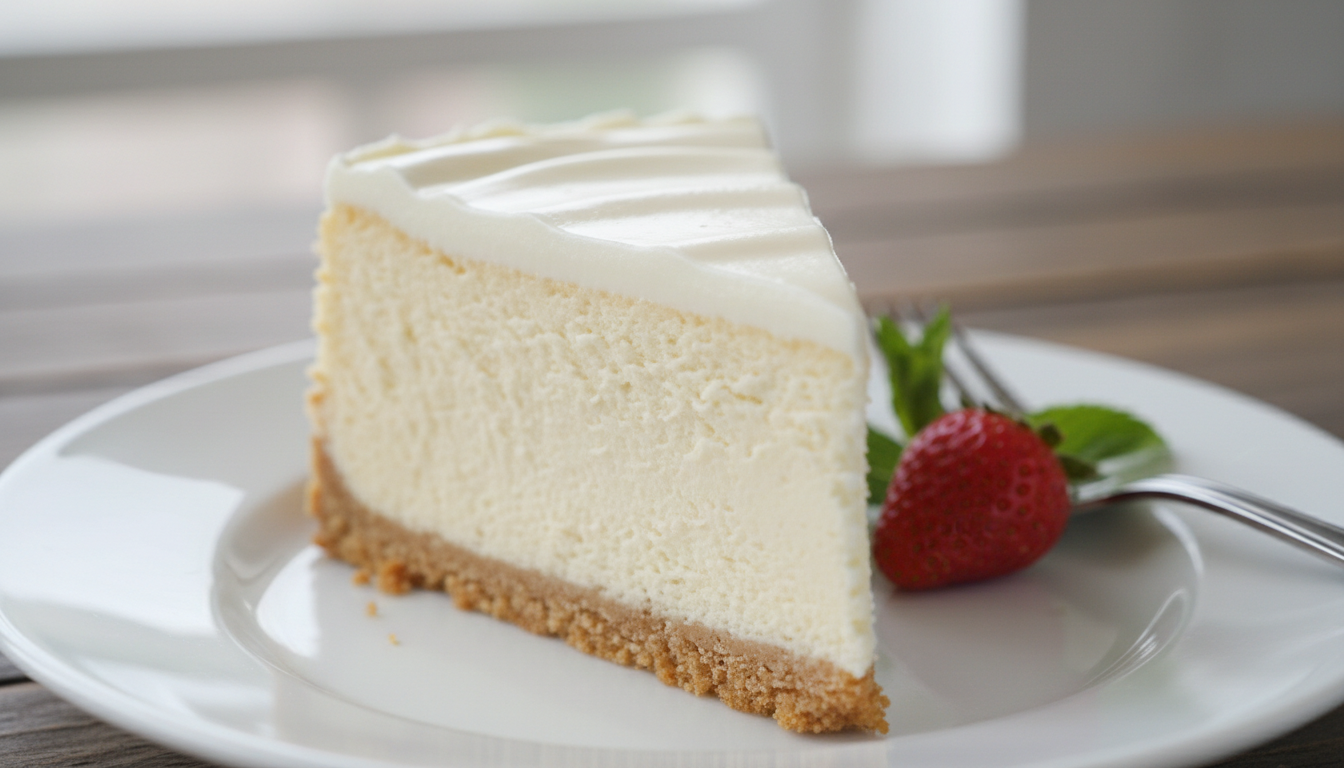
The best cheesecake recipe is New York style: a dense, creamy filling on a buttery graham cracker crust, baked low and slow in a water bath to prevent cracking. Four blocks of cream cheese, room temperature eggs, sour cream for tang — foolproof every time.
Why New York Style?
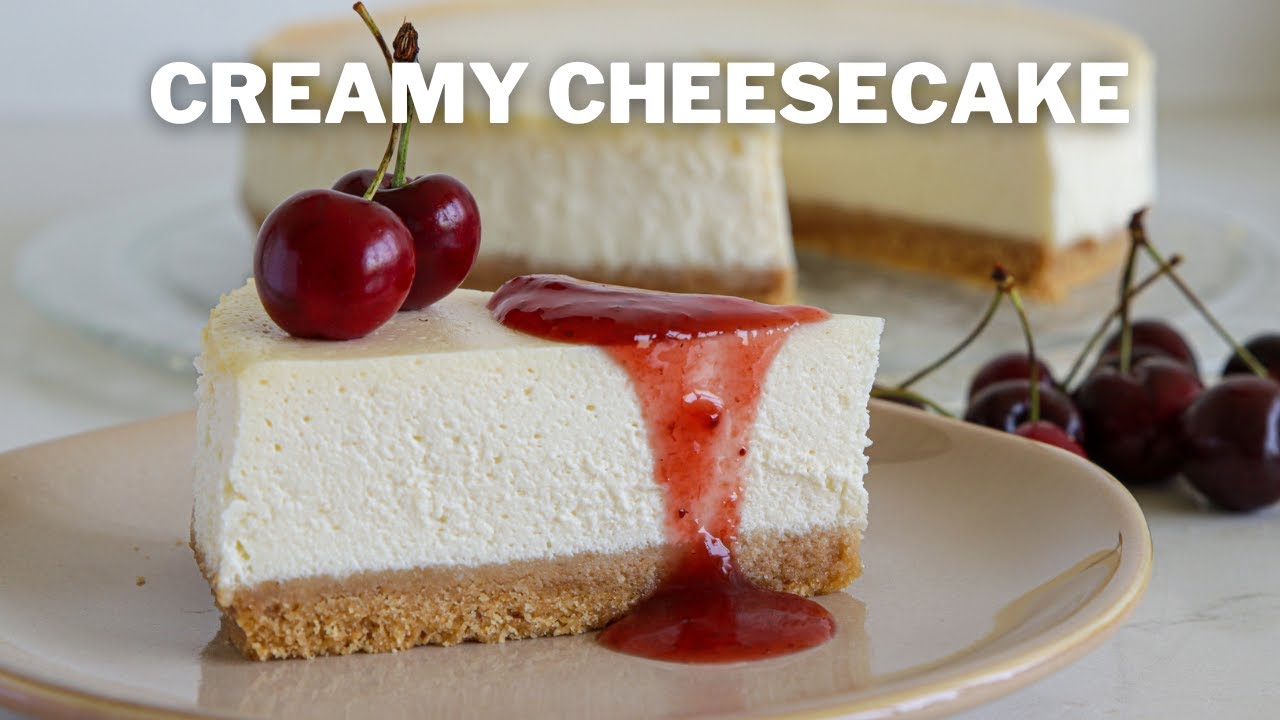
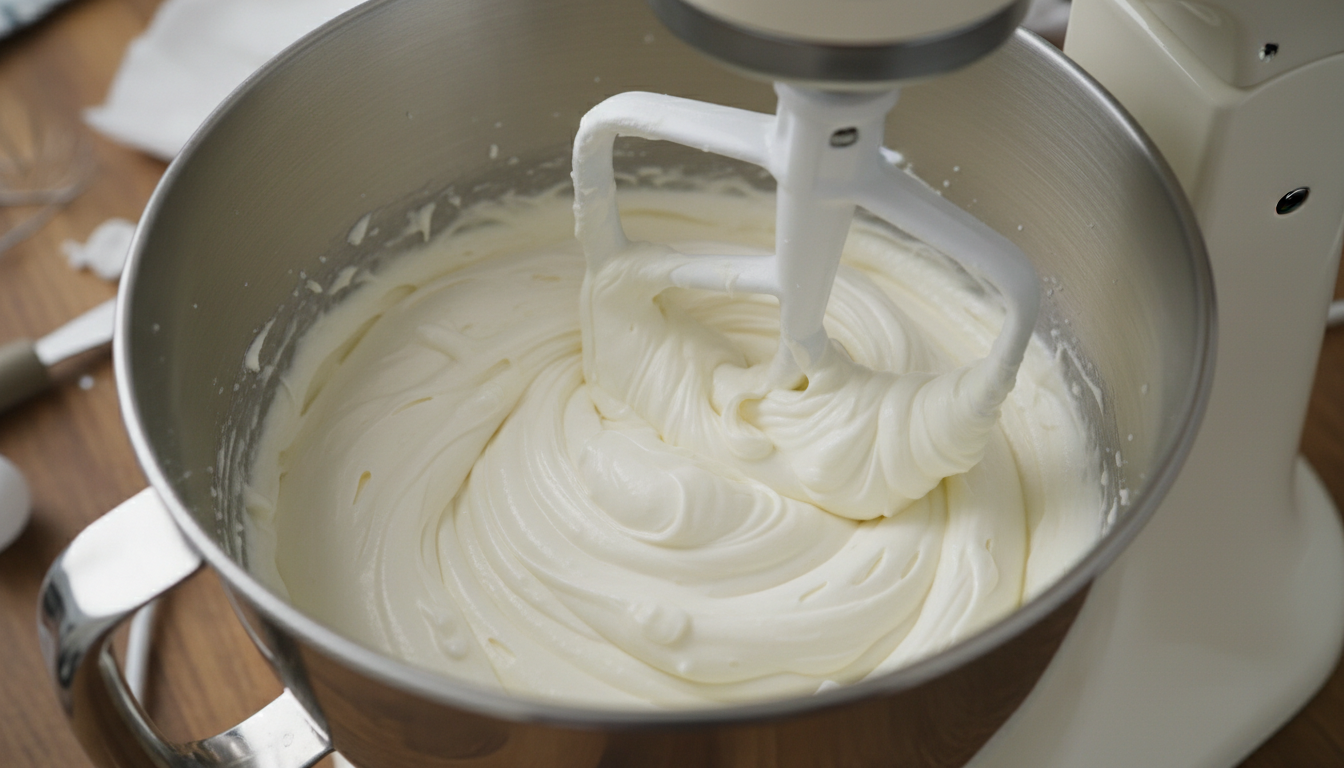
New York cheesecake is thick (3–4 inches), ultra-dense, and relies entirely on cream cheese — no ricotta, no shortcuts. The flavor is rich and slightly tangy, the texture firm enough to cut clean slices. If you’ve tried our Butterbeer Cheesecake Recipe, you know the base technique. This is the master version — learn it once and build any flavor from it.
Ingredients
Makes one 9-inch cheesecake (12 servings).
Graham Cracker Crust
- 2 cups (200g) graham cracker crumbs
- ¼ cup (50g) granulated sugar
- ½ cup (115g) unsalted butter, melted
- Pinch of salt
Cream Cheese Filling
- 4 blocks (32oz / 900g) full-fat cream cheese, room temperature
- 1¼ cups (250g) granulated sugar
- 1 cup (240g) full-fat sour cream, room temperature
- 1 tsp vanilla extract
- 2 tsp fresh lemon juice
- 4 large eggs, room temperature
The Graham Cracker Crust
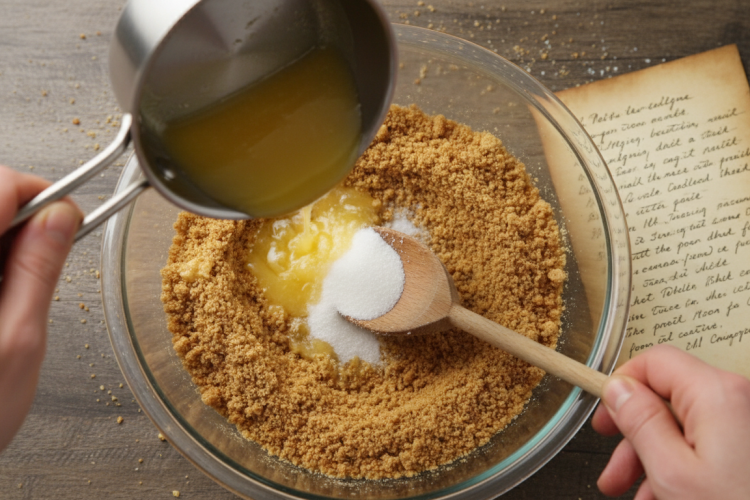
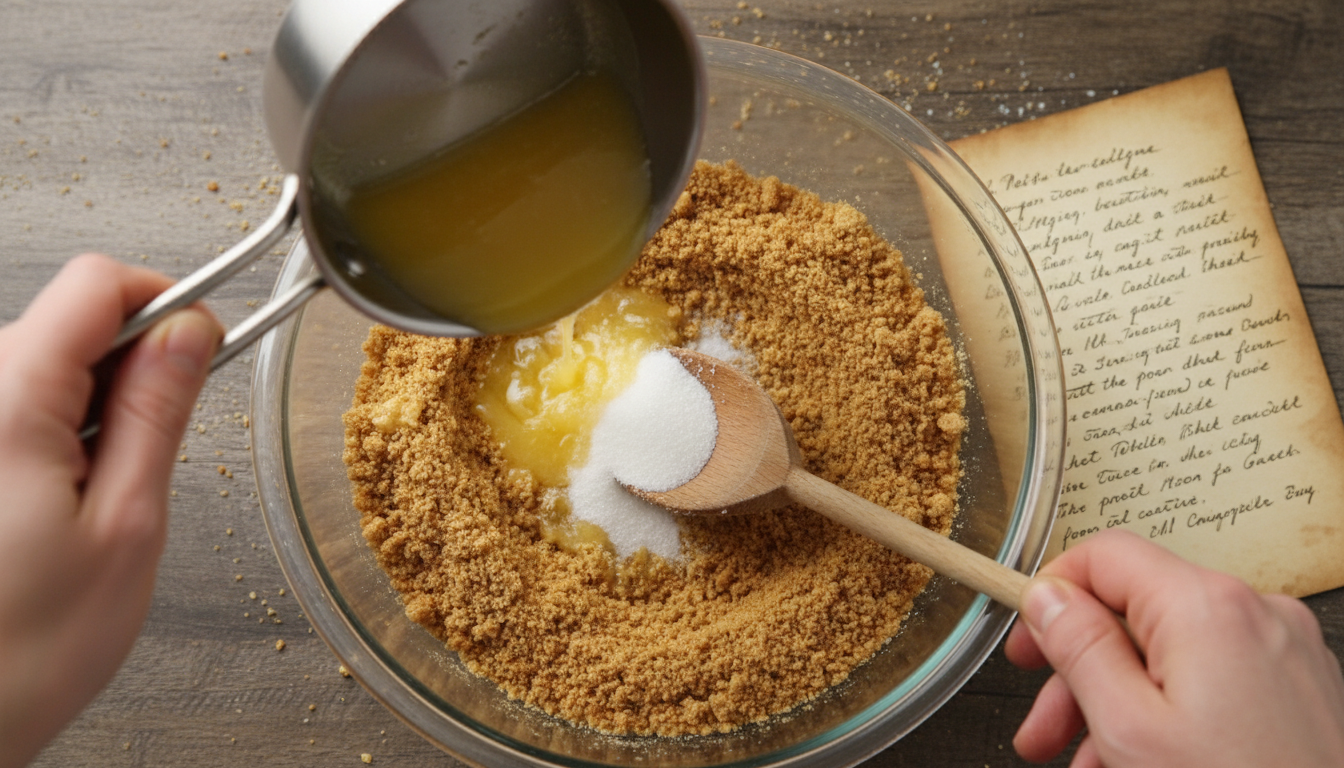
Combine crumbs, sugar, melted butter, and salt — should hold when pressed. Press firmly into the bottom and 1 inch up the sides of a 9-inch springform pan. Bake at 325°F (165°C) for 10 minutes. Cool before filling.
The Cream Cheese Filling
Room temperature ingredients are non-negotiable. Cold cream cheese leaves lumps. Pull everything from the fridge 2 hours before starting.
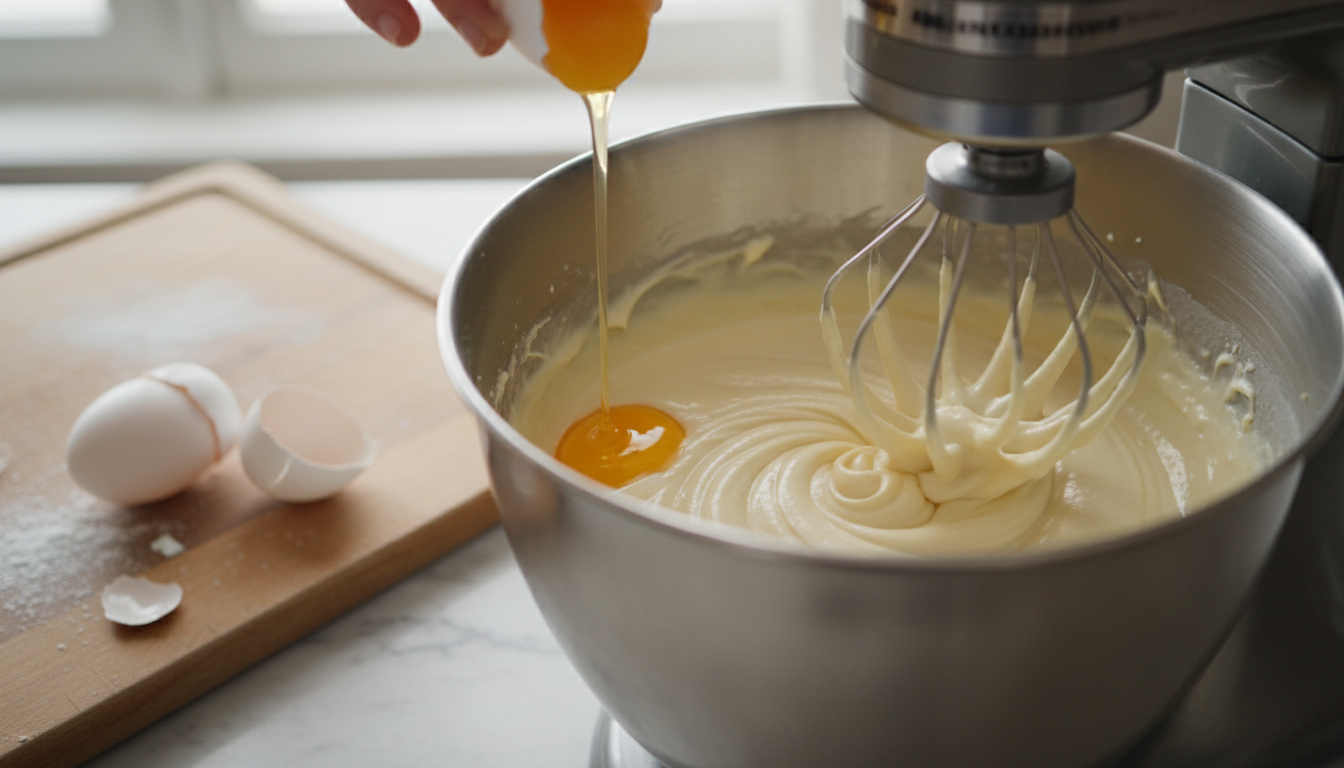
Beat cream cheese on medium until completely smooth, 3–4 minutes. Scrape bowl. Add sugar, beat 2 more minutes. Add sour cream, vanilla, and lemon juice — beat until just combined. Add eggs one at a time on LOW speed — only until each is incorporated. Do not overbeat after eggs; excess air causes cracks.
Pour filling over cooled crust and smooth the top.
Water Bath Method
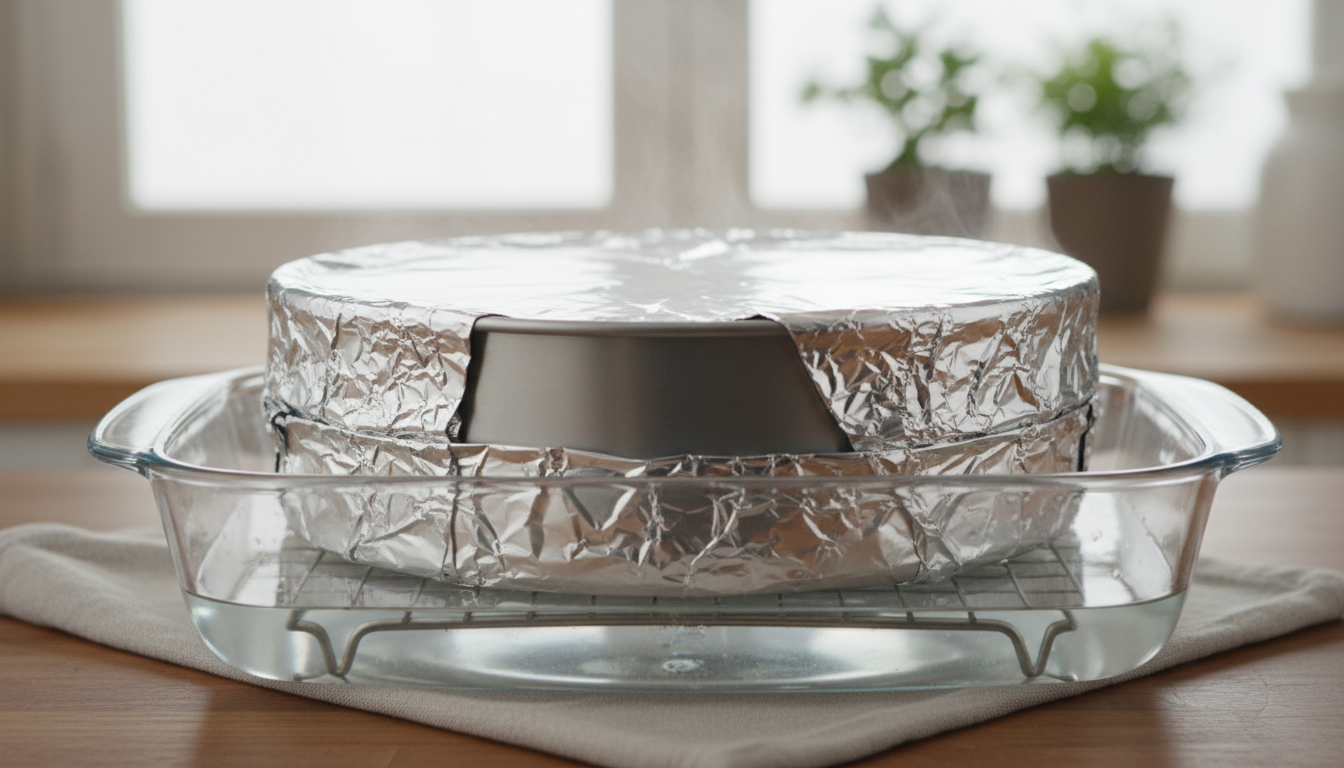
Wrap the springform pan in two layers of heavy-duty foil up the sides. Place inside a larger roasting pan. Add boiling water 1 inch up the sides. Bake at 325°F for 60–75 minutes. The center 2–3 inches should still jiggle like set Jell-O — not liquid. Thermometer should read 150–155°F in the center.
Cooling and Chilling
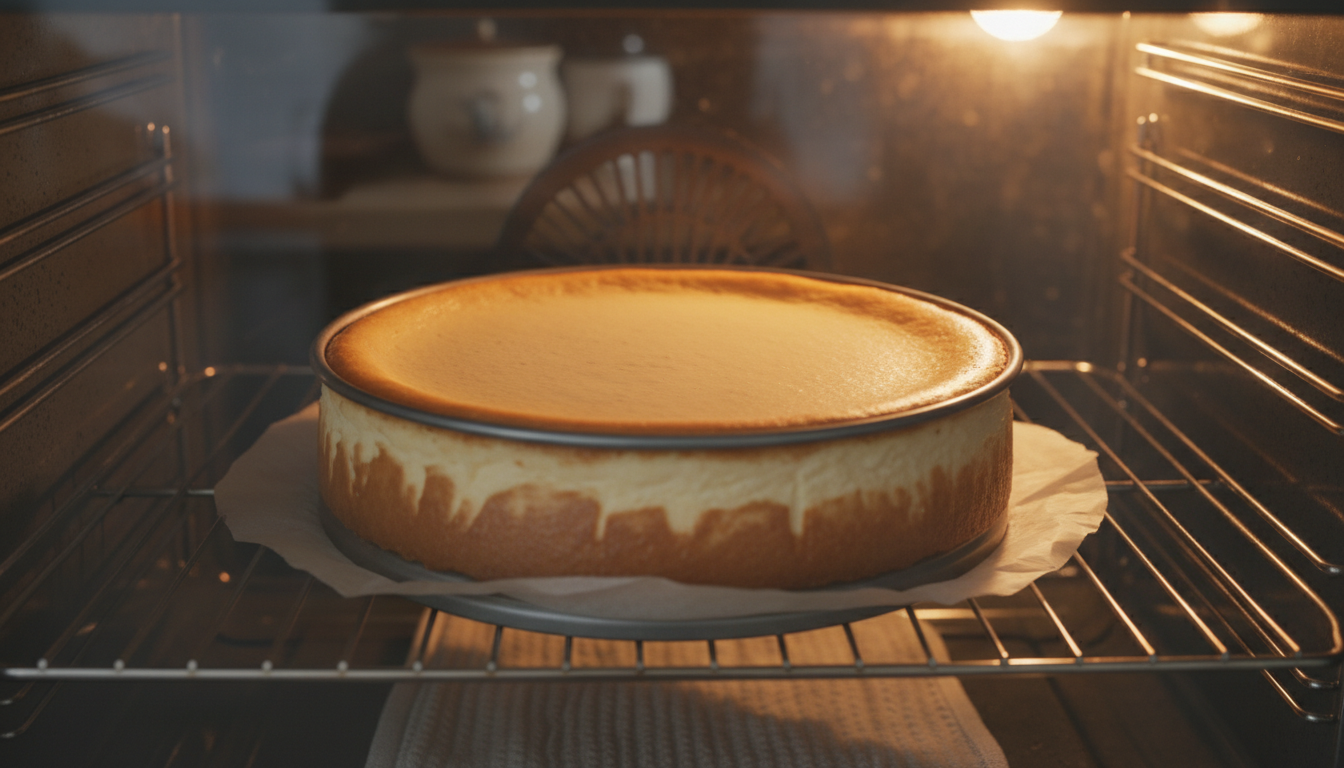
Turn off oven and crack door 1 inch. Leave cheesecake inside 1 hour. Remove from water bath, run a thin knife around the edge, cool completely at room temperature, then refrigerate uncovered at least 6 hours (overnight is best).
No-Crack Tips
- ✅ Room temperature dairy and eggs
- ✅ Don’t overbeat after adding eggs
- ✅ Use a water bath
- ✅ Don’t overbake — jiggly center is correct
- ✅ Gradual oven cool-down (door cracked 1 hour)
- ✅ Run knife around edge before cooling
Variations
Strawberry: Top with fresh strawberry sauce just before serving. Oreo: Replace graham crackers with crushed Oreos; fold 1 cup crushed Oreos into filling. No-Bake: See our upcoming Easy No-Bake Cheesecake.
Cheesecake Variations
The New York style base in this recipe is intentionally neutral — a dense, lightly-flavored canvas that takes additional flavors extremely well. These variations require minimal changes to the base recipe.
Strawberry Swirl Cheesecake
Reduce ¼ cup of fresh strawberries with 2 tbsp sugar until jammy (about 10 minutes). Let cool. Drop spoonfuls over the filled batter before baking and swirl with a knife or skewer. The jam sinks slightly during baking and creates a naturally beautiful red swirl in the finished slice.
Lemon Cheesecake
Add 2 additional teaspoons of lemon zest and increase lemon juice to 3 tbsp. The citrus lifts the flavor from rich and dense to bright and tangy — a completely different eating experience using the same base. Top with lemon curd (store-bought works fine) instead of sour cream topping.
Oreo Cheesecake
Swap the graham cracker crust for crushed Oreos (no need to remove the filling — it adds richness to the crust). Fold 12 roughly-chopped Oreos into the batter before pouring into the pan. For the full detailed version with exact quantities and assembly tips, see our Oreo Cheesecake Recipe.
Pumpkin Cheesecake
Replace ½ cup of sour cream with ¾ cup pumpkin purée. Add 1 tsp cinnamon, ½ tsp ginger, ¼ tsp nutmeg, and ¼ tsp cloves. Reduce vanilla to ½ tsp. The result is a rich, spiced filling that’s still recognizably cheesecake — not a pumpkin pie — with the dense New York texture intact.
Why the Water Bath Matters
The water bath is the single most important step for New York style cheesecake, and it’s the one most home bakers skip. Here’s why it works and how to do it properly so it doesn’t fail.
Why it matters: Cheesecake is essentially a custard — eggs, dairy, and fat that need to cook slowly and evenly. Direct oven heat causes the edges to set faster than the center, which creates cracks and a rubbery texture near the outer ring. Surrounding the pan with hot water keeps the edges at 212°F maximum (the boiling point of water) while the interior comes up gradually. The result: perfectly even texture, no cracks, custard-smooth filling edge to edge.
The foil method (standard): Wrap the outside of the springform pan in two layers of heavy-duty aluminum foil, crimping it tightly at the top edge. Place the wrapped pan inside a larger roasting pan. Pour boiling water into the roasting pan until it reaches halfway up the sides of the springform. Bake as directed.
The steam method (leak-proof alternative): Place your cheesecake pan on a rack. Set a separate pan of boiling water on the rack below in the oven. This creates steam without the risk of water leaking into the crust — a common problem with the foil method if the foil has any small holes.
Cooling matters too: After baking, turn off the oven and leave the cheesecake inside with the door cracked for one hour. This prevents the sudden temperature change that causes surface cracking even after a perfect bake.
Slicing and Serving
Cheesecake slices cleanly when cold but tastes best at room temperature. Pull it from the refrigerator 20–30 minutes before serving.
For clean slices: use a thin, sharp knife dipped in warm water and wiped clean between each cut. Do not use a serrated knife — it tears the filling. A chef’s knife or a thin slicing knife works best. Six to eight cuts gives you the classic wedge shape; ten to twelve cuts if you’re serving a crowd.
For toppings: this cheesecake needs no topping to be good, but a thin layer of sour cream (¾ cup sour cream + 2 tbsp sugar spread over the top of a warm cheesecake, returned to a 325°F oven for 5 minutes) creates a slightly tangy, glossy finish. Alternatively, top with fresh berries, lemon curd, or caramel sauce just before serving.
Frequently Asked Questions
Why did my cheesecake crack?
Overbaking, overbeating, skipping the water bath, or cooling too quickly. Use a thermometer — pull at 150–155°F internal.
Can I make it without a springform pan?
A deep 9-inch cake pan lined with foil works but releasing is tricky. Springform is strongly recommended.
How long does homemade cheesecake last?
Refrigerated up to 5 days. Freezes beautifully — wrap slices in plastic then foil, freeze up to 2 months.
Do I have to use a water bath?
Technically no, but risk of cracks and rubbery edges increases significantly. If skipping, reduce oven to 300°F.
Can I use low-fat cream cheese?
Not recommended. Higher moisture content leads to wet, loose, or grainy texture. Always use full-fat.