
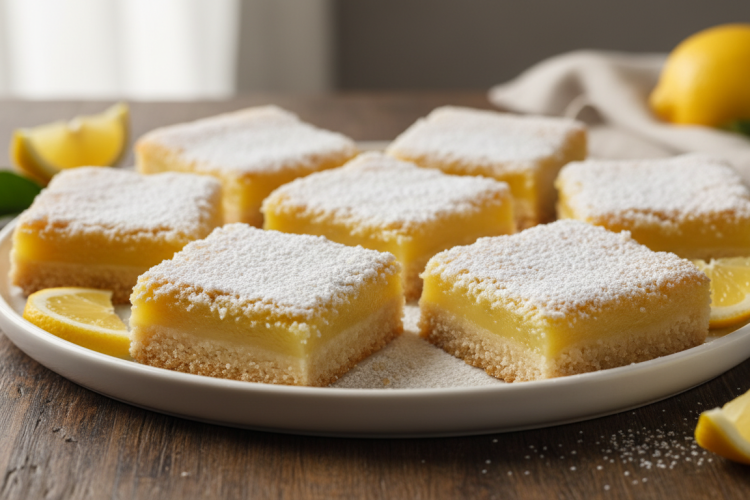
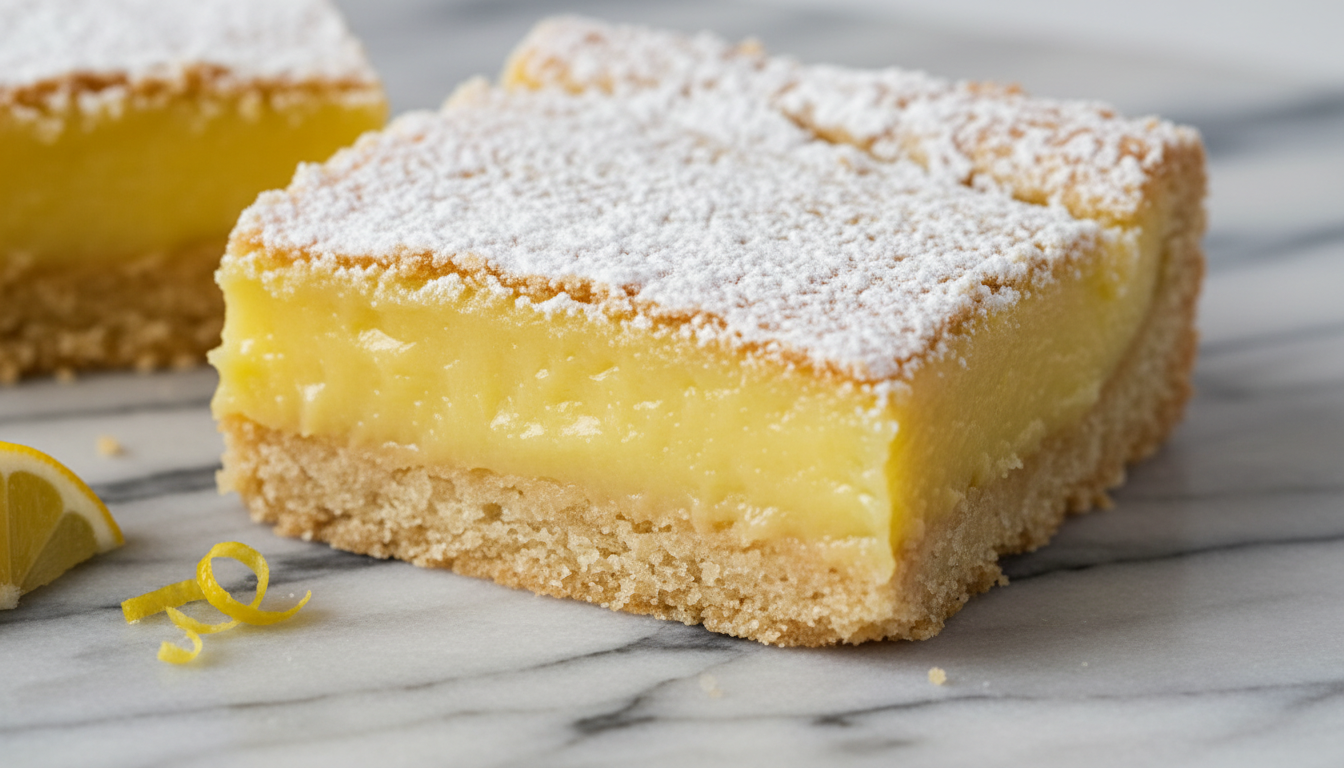
Lemon bars are a classic American dessert made with a buttery shortbread crust topped with a bright, tangy lemon curd filling — baked until just set, then dusted with powdered sugar and cut into squares. They require only a handful of pantry ingredients, come together in about 15 minutes of active prep, and deliver the perfect balance of sweet and tart in every bite.
Why Lemon Bars Are a Timeless Classic
Few desserts manage to feel simultaneously homey and elegant. Lemon bars are one of them. They show up at every potluck and bake sale in America for good reason: they travel well, they slice cleanly, and that cascade of powdered sugar over vivid yellow curd is impossible to resist. The combination of a crumbly, buttery base with a silky, bright citrus topping is a textural and flavor contrast that never goes out of style.
The recipe dates back to the mid-20th century in the United States and has remained largely unchanged because it simply works. According to Serious Eats, the key to an excellent lemon bar is using enough egg yolks in the curd to achieve a rich, firm-but-yielding set — and using fresh lemon juice (not bottled) for the brightest flavor.
Ingredients
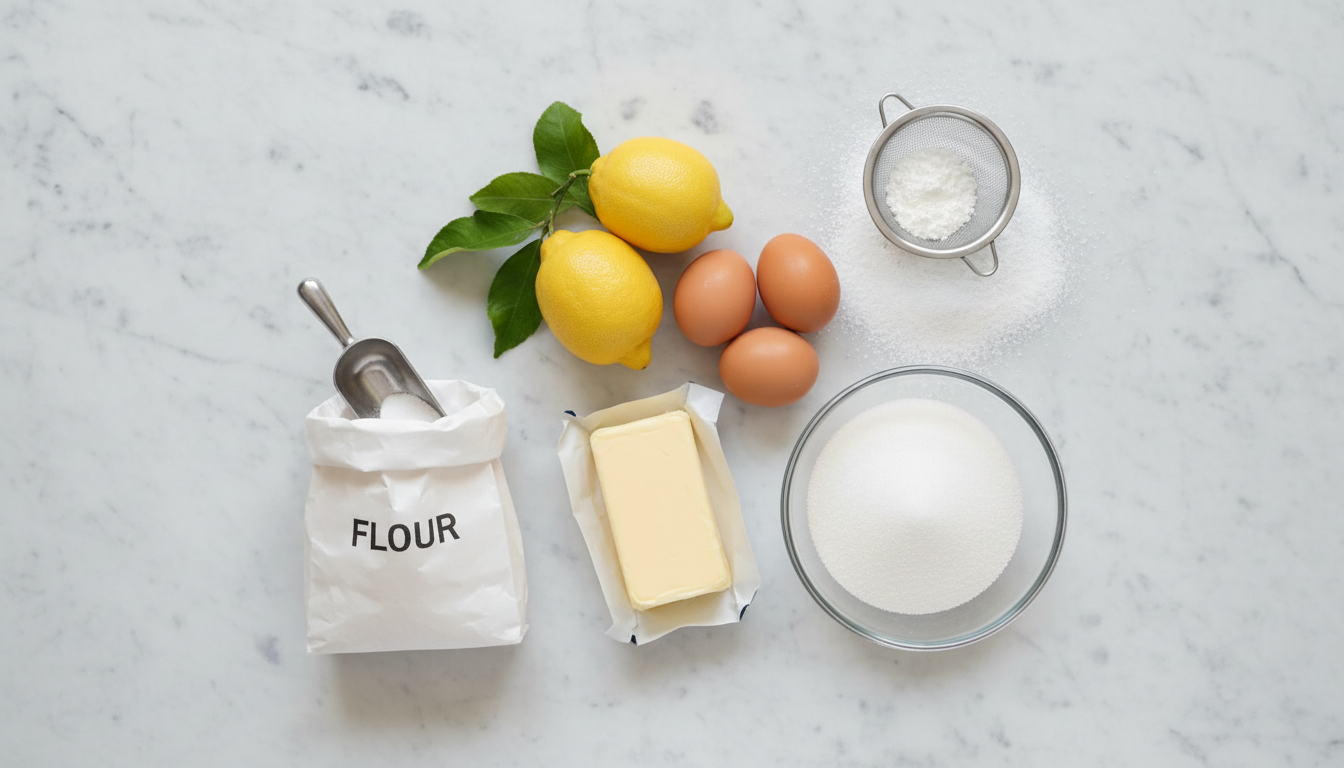
This recipe makes a 9×9-inch pan (12-16 bars depending on how you slice them). You can scale it to a 9×13-inch pan by increasing all ingredients by 1.5x and adding 5-10 minutes to the curd bake time.
For the Shortbread Crust
- 1 cup (125g) all-purpose flour
- 1/4 cup (30g) powdered sugar, plus more for dusting
- 1/4 tsp fine salt
- 1/2 cup (113g) unsalted butter, cold, cut into small cubes
- 1 tsp pure vanilla extract
For the Lemon Curd Filling
- 3 large eggs + 2 egg yolks
- 1 cup (200g) granulated sugar
- 1/2 cup (120ml) fresh lemon juice (about 3-4 large lemons)
- 2 tbsp lemon zest (from the same lemons)
- 3 tbsp (24g) all-purpose flour
- Pinch of salt
Key tip on lemons: Always zest before juicing — it is nearly impossible to zest a juiced lemon. Roll the lemons firmly on the counter before cutting to release more juice.
Equipment You Will Need
- 9×9-inch square baking pan
- Parchment paper (leave overhang for easy lifting)
- Electric hand mixer or stand mixer (for crust mixing)
- Whisk and medium bowl (for curd)
- Fine mesh strainer (optional, for ultra-smooth curd)
- Microplane or box grater (for zesting)
Step-by-Step Instructions
Step 1: Make the Shortbread Crust
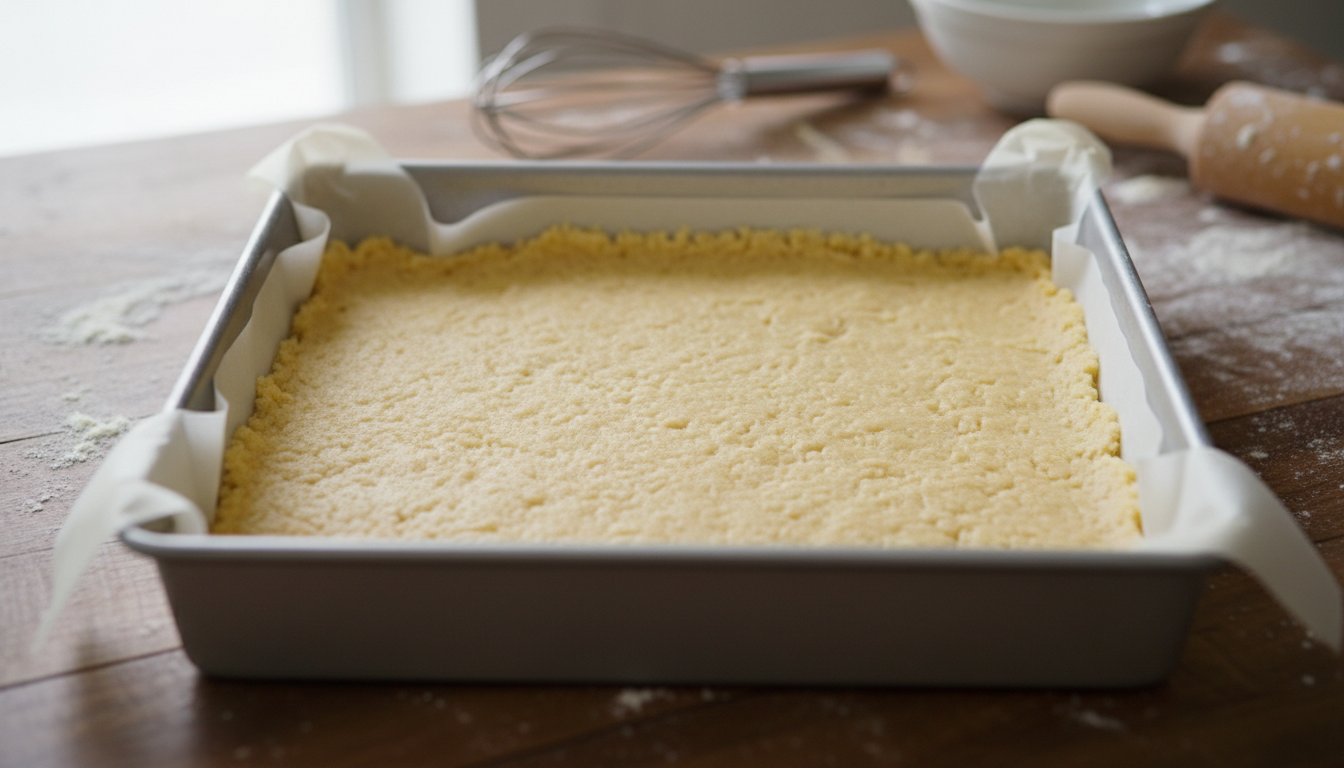
Preheat oven to 350 degrees F (175 degrees C). Line a 9×9-inch baking pan with parchment paper, leaving a 2-inch overhang on two sides — this makes removing the bars much easier later. Lightly grease any exposed pan surfaces.
In a medium bowl, whisk together flour, powdered sugar, and salt. Add the cold butter cubes and vanilla extract. Use a pastry cutter, two forks, or your fingertips to work the butter into the flour until the mixture resembles coarse breadcrumbs and starts to clump together when pressed. Alternatively, pulse everything in a food processor until the dough just comes together.
Tip the crumbly dough into the prepared pan and press it down firmly and evenly into the bottom — use the flat bottom of a measuring cup to get a smooth, compact surface. The crust should be about 1/4-inch thick with no gaps. A well-pressed crust does not puff up or crack during baking.
Step 2: Blind Bake the Crust
Bake the crust at 350 degrees F for 18-20 minutes until it is lightly golden around the edges and just set in the center. Do not underbake — a pale, underdone crust will become soggy when the wet lemon filling is added. Remove from the oven and let it cool for 5 minutes while you make the filling. Leave the oven on.
Step 3: Make the Lemon Curd Filling
In a medium bowl, whisk together eggs, egg yolks, granulated sugar, flour, and salt until smooth and well combined — about 1 minute. The flour is what stabilizes the curd and gives it a clean, sliceable set; do not leave it out. Add the fresh lemon juice and lemon zest and whisk to combine. The mixture will be thin and pourable — that is correct.
For an extra-smooth filling (no zest bits), strain the mixture through a fine mesh strainer before pouring. If you enjoy the texture and aroma of zest in every bite, skip the straining.
Step 4: Bake the Bars
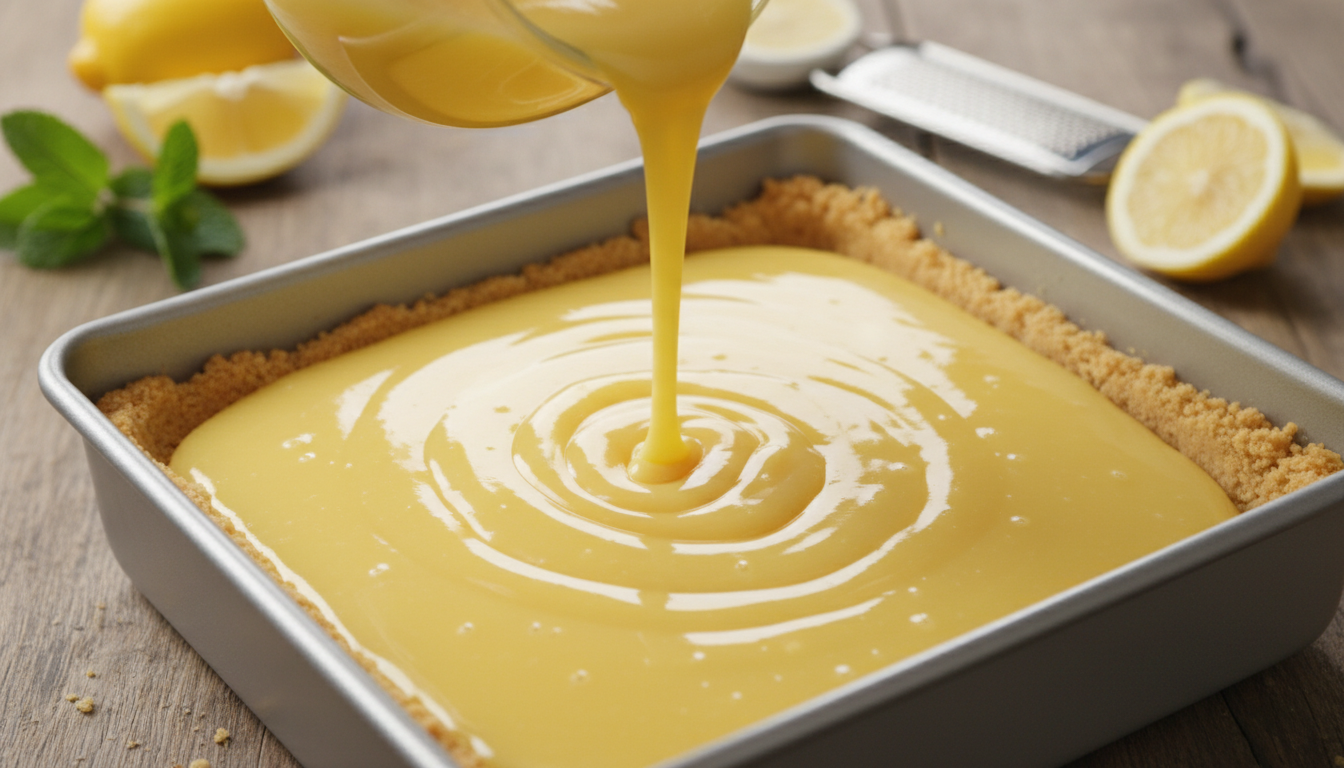
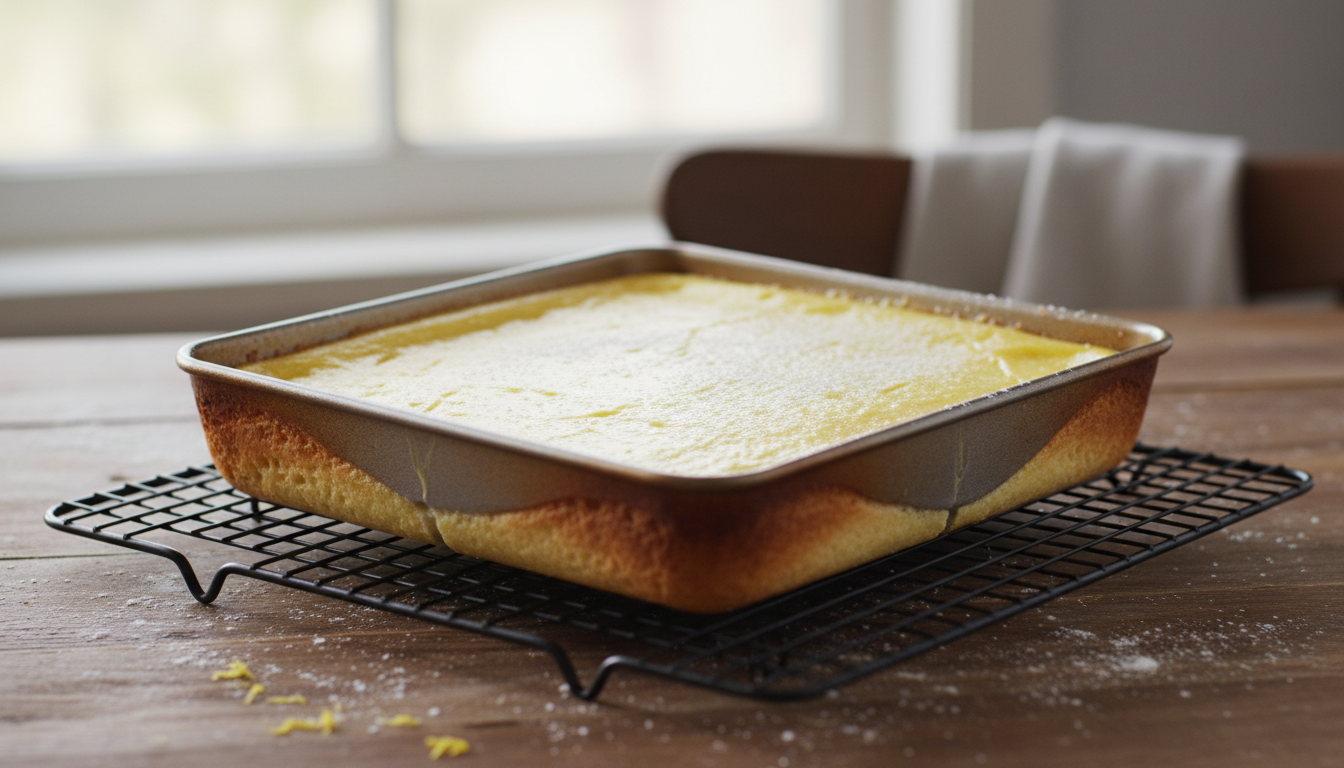
Pour the lemon filling over the warm (not cold) baked crust and spread it to the edges. Return the pan to the oven and bake at 350 degrees F for 20-25 minutes, until the filling is set around the edges but still has a very slight jiggle in the very center when gently shaken — like a set gelatin. It will continue to firm up as it cools.
Do not overbake — an overbaked lemon bar filling turns rubbery and slightly curdled rather than smooth and silky. Pull them when the edges are firm and only the very center (about a 2-inch circle) still has movement.
Step 5: Cool, Chill, and Cut
Let the bars cool at room temperature in the pan for at least 1 hour, then refrigerate for at least 2 hours (preferably 4) before cutting. This chilling step is non-negotiable — lemon bars sliced warm will ooze and fall apart. Cold bars cut cleanly with sharp edges.
To cut: lift the whole slab out of the pan using the parchment overhang. Place on a cutting board and use a sharp knife, wiping the blade clean between each cut. For the cleanest edges, run the knife under hot water, dry it, then cut. Dust generously with powdered sugar immediately before serving — if you dust too early, the sugar absorbs into the moist surface and disappears.
Tips for Perfect Lemon Bars Every Time
- Always use fresh lemon juice. Bottled juice has a flat, slightly metallic taste that is instantly noticeable in a recipe where lemon is the star. You need about 3-4 large lemons for 1/2 cup of juice.
- Do not skip the egg yolks. The extra yolks add richness and help the curd set to a smooth, creamy texture rather than a rubbery, eggy one. Whole eggs alone produce a firmer, less silky result.
- Blind bake the crust properly. A lightly golden, fully set crust before the filling goes in means the base will stay crisp rather than turning soggy from the wet filling.
- Chill completely before cutting. Patience here is the difference between bars that look like a bakery made them and bars that smear into a lemon-scented mess.
- Dust with powdered sugar last. Even 30 minutes can cause the sugar to fully dissolve into the moist filling surface. Dust right before serving or serving display.
If you love citrus desserts, our lemon cheesecake recipe uses a similar homemade lemon curd technique layered over a cream cheese filling — a step up in complexity but absolutely worth it.
Lemon Bar Variations
Raspberry Lemon Bars
Scatter 1/2 cup of fresh raspberries over the blind-baked crust before pouring the lemon filling over the top. The berries sink slightly into the filling as it bakes, creating pockets of jammy raspberry flavor throughout. The color contrast — vivid red against bright yellow — makes these the most visually striking variation.
Meyer Lemon Bars
Meyer lemons are a hybrid between a regular lemon and a mandarin orange — sweeter, less acidic, and more floral. Substitute Meyer lemon juice and zest 1:1 for regular lemon in this recipe and reduce the sugar by 2 tablespoons. The result is a softer, more perfumed bar that appeals even to people who find regular lemon bars too sharp.
Coconut Lemon Bars
Add 1/4 cup of shredded unsweetened coconut to the shortbread crust dough before pressing it in the pan. The coconut toasts as the crust bakes, adding a subtle tropical aroma that complements the bright citrus beautifully. Top the finished bars with a sprinkle of toasted coconut flakes for extra texture and visual appeal.
Lime Bars
Swap the lemon juice and zest for an equal amount of fresh lime juice and lime zest. The bars turn a slightly paler, more delicate green-yellow and have a sharper, more tropical tang. Pair with a graham cracker crust instead of shortbread for a key lime pie-inspired version.
How to Store Lemon Bars
Refrigerator: Unlike most baked goods, lemon bars must be stored cold due to the egg-based curd filling. Place them in a single layer in an airtight container (or stack with parchment between layers) and refrigerate for up to 5 days. They actually taste better on day 2 after the flavors meld.
Freezer: Lemon bars freeze surprisingly well. Arrange in a single layer on a baking sheet and freeze until solid (about 2 hours), then transfer to a zip-lock bag or airtight container with parchment between layers. They keep for up to 3 months. Thaw overnight in the refrigerator and dust with fresh powdered sugar before serving — the powdered sugar applied before freezing will have dissolved.
Room temperature: Lemon bars can sit at room temperature for up to 2 hours during serving (a party, for example), but should not be stored that way overnight due to the custard filling.
Serving Suggestions
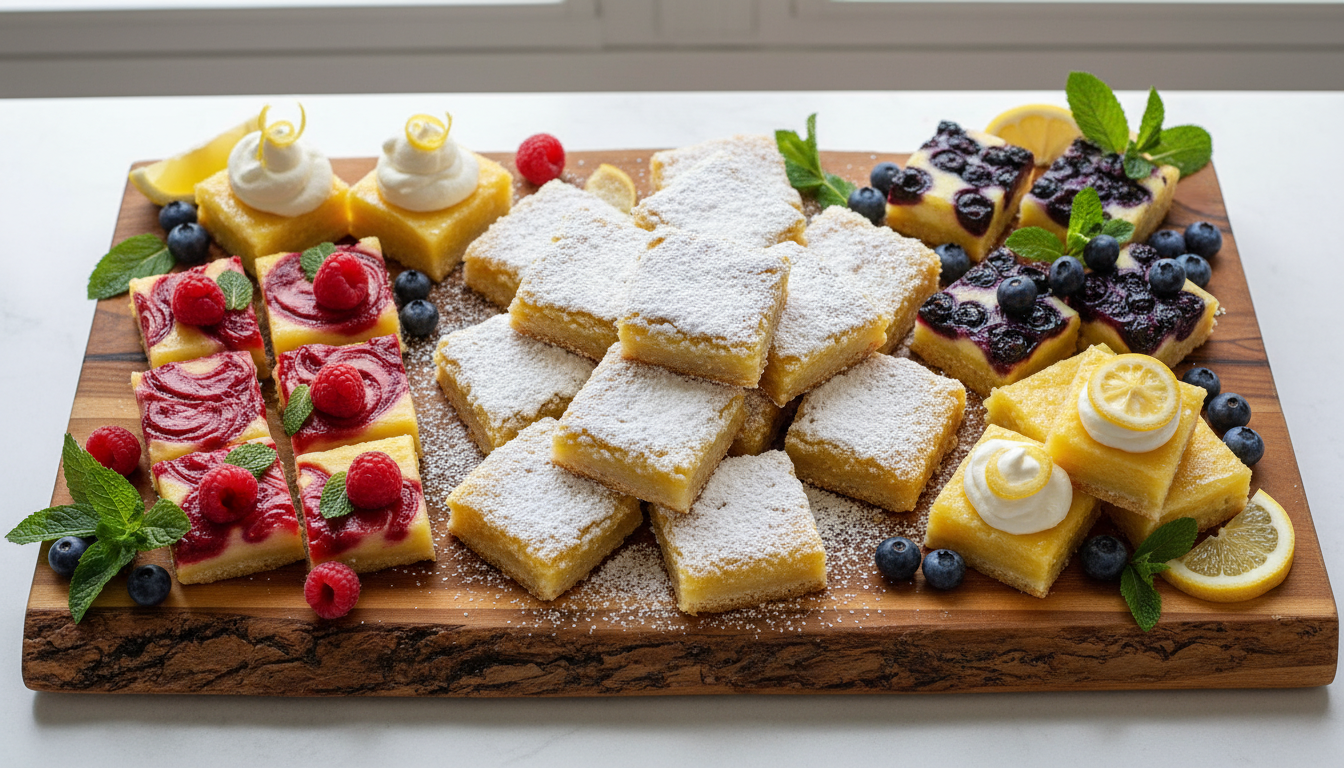
Lemon bars are one of the most versatile dessert bars — elegant enough for a dinner party, casual enough for a bake sale. Here are the best ways to serve them:
- Classic with powdered sugar — the only garnish most people need. Use a fine-mesh strainer for even, snowfall-like dusting.
- With fresh whipped cream — a dollop of lightly sweetened whipped cream on the side mellows the tartness and adds a creamy contrast.
- With a thin slice of candied lemon — for a beautiful plated dessert presentation.
- Alongside other bar cookies — lemon bars are a natural complement to fudgy brownies on a dessert tray — the bright citrus plays off the rich chocolate perfectly.
- On a cheesecake platter — pair with slices of our classic vanilla cheesecake for a citrus-and-cream dessert spread.
Troubleshooting Common Lemon Bar Problems
Why are my lemon bars runny or not set?
The filling was underbaked. The edges should be completely set and firm before the pan comes out of the oven. If they are still liquid in the center after 25 minutes, add 5 more minutes and check again. Also make sure the filling was poured over a warm (not cold) crust — cold crust slows the bake time significantly.
Why is my crust soggy?
The crust was either underbaked before adding the filling, or the bars were stored without refrigeration. Always bake the crust until visibly golden before adding the lemon layer, and always refrigerate finished bars.
Why do my bars look lumpy or have bubbles on top?
Foam on top is created by whisking air into the egg mixture. To minimize it, whisk the filling gently rather than vigorously, and let the filled pan sit for 5 minutes before going into the oven so any bubbles can pop. You can also strain the filling. The foam disappears once the bars are cooled and dusted, so it is mainly an aesthetic issue.
For more baking troubleshooting, our guide on why cakes come out dense covers many of the same root causes — overmixing, incorrect measurements, oven temperature — that affect bar cookies too.
Frequently Asked Questions
Can I make lemon bars ahead of time?
Yes — in fact, they are better made at least 4 hours ahead, and ideally the day before serving. The flavors deepen overnight and the bars slice much more cleanly after a full chill. Just do not dust with powdered sugar until right before serving.
Can I use bottled lemon juice?
Technically yes, but the flavor difference is significant. Fresh lemon juice is bright, floral, and vivid; bottled juice tends to be flat and slightly acidic in an unpleasant way. Since lemon flavor is the entire point of this dessert, fresh juice is strongly recommended. Even a squeeze from supermarket lemons will far outperform bottled.
Can I make lemon bars gluten-free?
Yes. Substitute a 1:1 gluten-free all-purpose flour blend in both the crust and the filling. The texture may be slightly more crumbly in the crust, but the flavor will be identical. Make sure your GF flour blend contains xanthan gum for best structure. For a naturally gluten-free option, use almond flour for the crust — it produces a denser, chewier base with a nutty flavor that pairs beautifully with the lemon curd.
Do lemon bars need to be refrigerated?
Yes. The lemon curd filling contains eggs and should be treated like any egg-based custard. Store lemon bars covered in the refrigerator for up to 5 days. They can sit at room temperature for up to 2 hours during service but should not be left out overnight.
Why are my lemon bars too sweet or not lemony enough?
This almost always comes down to the lemons. Under-ripe lemons produce less juice and less flavorful zest. Choose lemons that feel heavy for their size (more juice) and have a vibrant yellow skin (more flavorful zest). If you want a more aggressively tart bar, reduce the sugar by 2-3 tablespoons. If it is still not lemony enough, add an extra tablespoon of zest — the zest carries significantly more flavor than the juice.
Love bar desserts? Try our fudgy brownie recipe for the chocolate equivalent — same simple one-bowl technique, completely different flavor profile.