
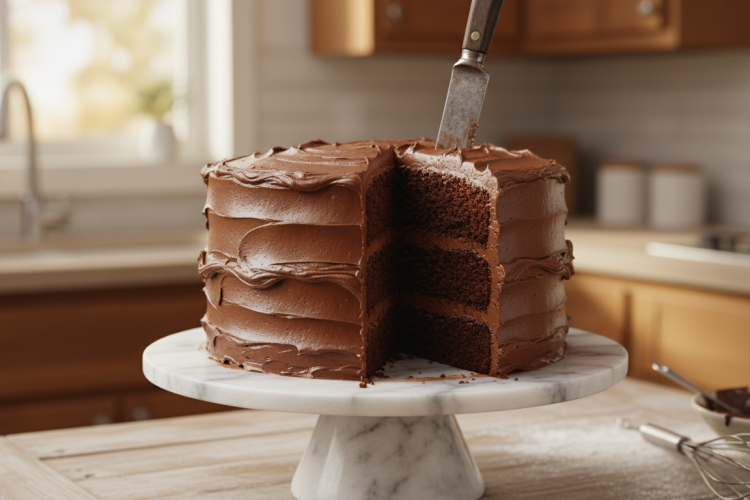
This easy chocolate cake recipe uses one bowl, simple pantry ingredients, and hot coffee (or boiling water) to produce an exceptionally moist, deeply flavored chocolate cake from scratch — ready in under an hour.
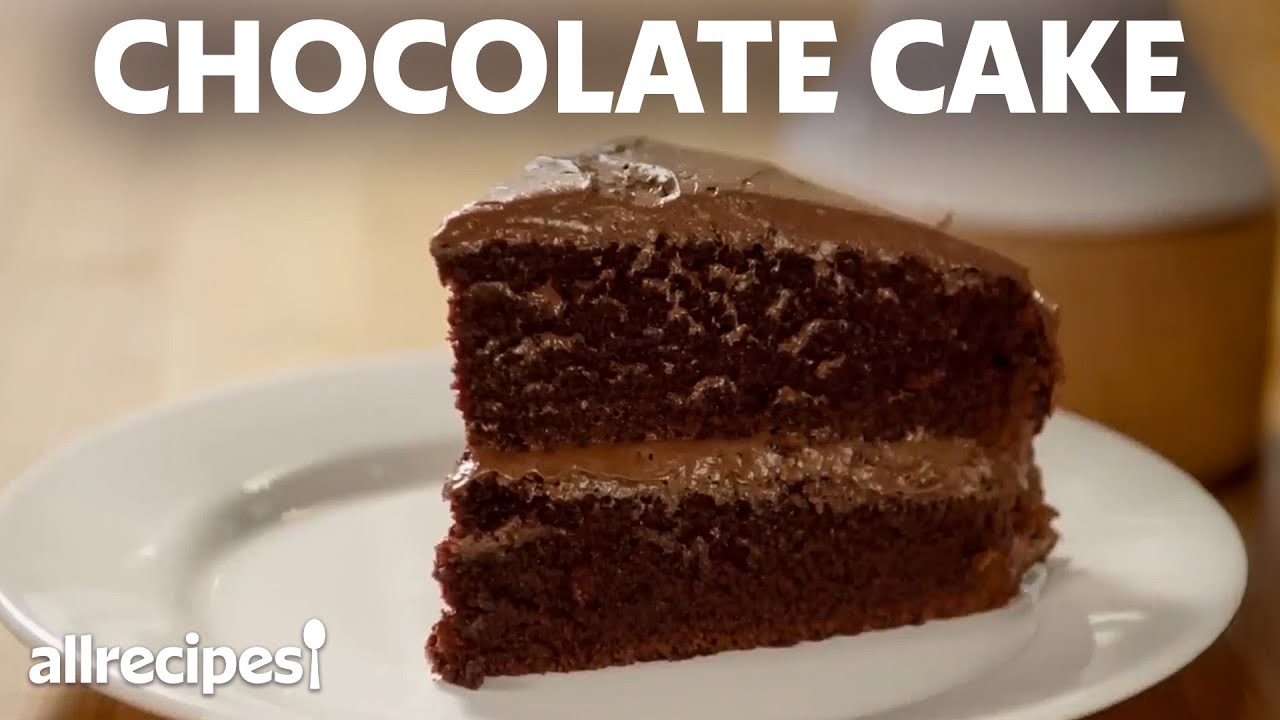
Why This Is the Only Chocolate Cake Recipe You Need
Most scratch chocolate cakes require creaming butter or beating eggs separately. This recipe skips all that — wet ingredients go in one bowl, dry in another, combined in under two minutes. The secret weapon is hot liquid added at the end, which blooms the cocoa powder for maximum flavor and keeps the crumb incredibly tender. The result is a fine, moist crumb ideal as a layer cake, sheet cake, or the base for our Glow in the Dark Cake.
Ingredients
Makes one 9×13-inch sheet cake or two 9-inch round layers.
Dry Ingredients
- 2 cups (250g) all-purpose flour
- 2 cups (400g) granulated sugar
- ¾ cup (75g) unsweetened cocoa powder
- 2 tsp baking soda
- 1 tsp baking powder
- 1 tsp salt
Wet Ingredients
- 2 large eggs, room temperature
- 1 cup (240ml) buttermilk
- 1 cup (240ml) vegetable oil
- 2 tsp vanilla extract
- 1 cup (240ml) hot coffee or boiling water
Step-by-Step Instructions
Step 1: Prep
Preheat oven to 350°F (175°C). Grease and flour your pans.
Step 2: Mix Dry
Whisk together flour, sugar, cocoa, baking soda, baking powder, and salt in a large bowl.
Step 3: Add Wet
Add eggs, buttermilk, oil, and vanilla to the dry ingredients. Mix until just combined and smooth.
Step 4: Add Hot Liquid
Stir in hot coffee or boiling water. The batter will become thin and pourable — this is correct.
Step 5: Bake
Bake sheet cake 35–40 min, round layers 30–35 min. Toothpick should come out with moist crumbs. Cool in pans 15 minutes, then on wire racks.
Easy Chocolate Buttercream Frosting
- 1 cup (225g) unsalted butter, softened
- 3½ cups (440g) powdered sugar
- ⅔ cup (65g) cocoa powder
- ⅓ cup (80ml) heavy cream
- 2 tsp vanilla extract, pinch salt
Beat butter fluffy. Sift in cocoa and powdered sugar alternately with cream, beating low then high. Add vanilla and salt.
Tips for a Moist Cake
- Use oil, not butter — stays liquid at room temp, keeping crumb moist even refrigerated.
- Buttermilk tenderizes — its acidity reacts with baking soda for lift and a soft crumb.
- Hot coffee = deeper chocolate — intensifies cocoa without tasting like coffee.
- Don’t overmix — stop when wet and dry are just combined.
- Spoon and level flour — don’t scoop from the bag.
Storage
Unfrosted layers: room temp 2 days or refrigerated 5 days. Frosted cake: refrigerated 4 days. Unfrosted layers freeze up to 2 months. Also great as the base for our Blue Velvet Cake technique.
Variations to Try
Once you have the base recipe down, these variations are straightforward modifications that open up a whole new range of flavors and occasions.
Chocolate Espresso Cake
Double the espresso or replace the boiling water entirely with strong brewed coffee. The coffee doesn’t add a coffee flavor — it intensifies the chocolate so deeply that this version tastes like pure dark chocolate. Add 1 tsp espresso powder directly to the dry ingredients for an even more pronounced effect. This is the version to use when layering with our Best Cheesecake Recipe elements for a mocha dessert experience.
Chocolate Peanut Butter Sheet Cake
Bake as a 9×13 sheet cake and frost with peanut butter buttercream instead of chocolate: beat 1 cup peanut butter with ½ cup softened butter and 2 cups powdered sugar, thinned with 3–4 tbsp heavy cream. Drizzle melted chocolate over the top. This combination is consistently one of the most crowd-pleasing desserts you can make for gatherings — it cuts cleanly and transports well.
Chocolate Cupcakes
This batter works perfectly for cupcakes. Fill liners ⅔ full and bake at 350°F for 18–22 minutes. A single batch makes 24 standard cupcakes. Use the same chocolate buttercream from this recipe or swap in a stabilized whipped cream for a lighter finish — see our Churro Tres Leches Cake Recipe for the whipped cream technique.
Mexican Hot Chocolate Cake
Add 2 tsp cinnamon and ¼ tsp cayenne pepper to the dry ingredients. The cinnamon adds warmth and the cayenne adds a slow, pleasant heat that builds after each bite. Frost with the standard chocolate buttercream. This variation ties naturally to churro flavors and is a great seasonal option from October through February.
How to Serve
This cake is extremely versatile in how it can be plated and presented depending on the occasion.
- Casual dessert: Dust with powdered sugar and serve directly from the pan. Clean and unfussy.
- Layer cake: Stack two rounds with ganache filling and frosting for a tall, impressive presentation — level the layers with a serrated knife first so they don’t slide.
- À la mode: A warm slice with a scoop of vanilla ice cream is a classic pairing. The cold ice cream against warm cake and slightly bitter cocoa is one of those combinations that never gets old.
- With berries: Fresh raspberries or strawberries cut the richness of the chocolate. Pile them on the plate around the slice or alongside a cup of sauce.
- Chocolate fondue: Make extra ganache from this recipe and serve warm in a small pot for dipping fruit or pieces of the cake itself. Great for parties.
Make-Ahead and Meal Prep
This recipe is well-suited to making in advance — the layers improve with a rest period and hold well when properly wrapped.
Day before: Bake layers, cool completely, wrap individually in plastic wrap, store at room temperature overnight. Frost the morning of serving or the night before if you want time for the frosting to set.
Two to three days ahead: Baked and wrapped layers keep at room temperature 2 days or refrigerated up to 5 days. The frosted assembled cake keeps refrigerated up to 4 days — bring to room temperature 30–45 minutes before serving.
Freezer: Unfrosted layers freeze beautifully. Double-wrap each layer in plastic, then foil. Freeze up to 2 months. Thaw overnight in the refrigerator. Don’t freeze a frosted cake if you can avoid it — buttercream separates slightly on thawing and requires re-mixing.
Customizing the Cake for Different Diets
If you’re catering to guests with dietary restrictions, this chocolate cake can be easily adapted without sacrificing its signature moisture. Swap regular all‑purpose flour for a 1‑to‑1 gluten‑free blend and add a tablespoon of xanthan gum to maintain structure; the result is a tender crumb that still feels indulgent. For a dairy‑free version, replace butter with equal parts coconut oil and use almond milk in place of regular milk—just be sure to keep the liquid temperature close to room temperature so the batter emulsifies properly. Vegans can also enjoy this cake by substituting the eggs with a “flax egg” (1 tablespoon ground flaxseed mixed with 3 tablespoons water per egg) and using a plant‑based yogurt instead of sour cream. These simple swaps are explained in more detail on our Gluten‑Free Baking Tips guide. For nutritional data and recommended portion sizes, consult the USDA’s FoodData Central database here. No matter which modifications you choose, the key to a moist cake remains the same: retain enough fat and liquid, and avoid over‑mixing the batter.
Presentation Ideas for Every Occasion
Even the most delicious cake can feel ordinary without a thoughtful presentation, so consider these ideas to elevate your chocolate masterpiece. For a casual brunch, slice the cake into bite‑size squares and serve them on a rustic wooden board topped with fresh berries and a dusting of powdered sugar. If you’re hosting a birthday celebration, pipe a thick ribbon of the chocolate buttercream around the perimeter, then use a small offset spatula to create a “swirl” effect before adding edible gold leaf or sprinkles for a festive touch. A sophisticated dinner party calls for a more refined look: place a single slice on a white porcelain plate, drizzle a glossy ganache made from dark chocolate and heavy cream, and garnish with a few raspberries and a sprig of mint. For a summer garden party, try stacking two thin layers of cake with a light whipped‑cream frosting between them, then top the stack with a scattering of toasted coconut flakes for a tropical vibe. Need more inspiration? Check out our Party Dessert Ideas post for additional plating tricks and seasonal flavor pairings.
Flavor Boosters and Mix‑In Ideas
Even though the base recipe already delivers a rich, velvety crumb, a handful of thoughtful additions can turn this cake into a signature dessert. For a deeper cocoa intensity, dissolve a tablespoon of instant espresso powder in the warm milk before whisking it into the batter; the coffee amplifies chocolate without adding a noticeable coffee flavor. Swirl in ½ cup of toasted hazelnuts or chopped pecans for crunch, or fold in ¼ cup of dried cherries for a pop of tartness that balances the sweetness. If you’re looking for a festive twist, grate a fresh orange zest into the dry ingredients and sprinkle a pinch of cinnamon for a subtle holiday aroma. For a truly indulgent version, replace half of the butter with melted dark chocolate, ensuring the mixture stays glossy and smooth. These variations keep the core technique intact while letting you personalize the cake for any occasion. Need more inspiration? Check out our guide to creative cake flavor pairings and see how other bakers are customizing this classic. For a deeper dive into the chemistry of flavor pairing, see the article on Serious Eats, which explains why coffee and chocolate are a match made in dessert heaven.
Perfect Pairings and Presentation Tips
Serving your moist chocolate cake with the right accompaniments can elevate a simple slice into a memorable experience. A dollop of lightly sweetened whipped mascarpone adds a creamy contrast, while a drizzle of salted caramel sauce introduces a savory edge that highlights the cake’s richness. For a lighter option, pair the cake with a scoop of vanilla bean ice cream and a sprinkling of toasted coconut flakes; the cool creaminess and subtle crunch create textural harmony. If you’re entertaining, arrange the cake on a rustic wooden board, dust it with cocoa powder using a fine sieve, and garnish with fresh berries—raspberries, strawberries, or blackberries work especially well because their acidity cuts through the sweetness. A splash of espresso or a glass of cold milk are classic beverage pairings, but for an adult gathering, consider a glass of ruby port or a dark‑roasted stout, both of which echo the chocolate’s depth. For a polished presentation, pipe a thin border of the chocolate buttercream around the edge of each slice and finish with a single chocolate curl. Want more plating ideas? Visit our post on stylish dessert plating techniques. For professional guidance on balancing flavors and textures, the King Arthur Baking Company offers an excellent resource on dessert pairings and plating aesthetics.
Frequently Asked Questions
Why is my chocolate cake dry?
Overbaking or too much flour. Use a thermometer, pull early, and spoon-and-level flour.
Can I use Dutch-process cocoa?
Yes — this recipe works with either type since it uses both baking soda and baking powder.
Can I make this without coffee?
Yes — substitute boiling water 1:1. Still moist, just slightly less chocolate depth.